HeadPowder, a renowned manufacturer based in Shandong, China, specializes in the design, development, and production of advanced pneumatic conveying equipment tailored for handling silicon micropowder materials. This article provides a detailed overview of the operation process and working principles of such equipment, highlighting its efficiency, reliability, and suitability for industrial applications.
About HeadPowder: Leading Pneumatic Conveying Solutions Provider
Shandong HeadPowder Engineering Co., Ltd. is a leading enterprise in the field of pneumatic conveying technology. With years of experience and a commitment to innovation, HeadPowder has established itself as a trusted provider of high-quality conveying systems for various industrial sectors. The company's expertise lies in understanding the unique challenges of handling fine powders like silicon micropowder and developing solutions that ensure optimal performance, minimal downtime, and cost-effectiveness.
Pneumatic Conveying Equipment for Silicon Micropowder: Key Features and Benefits
The pneumatic conveying equipment designed for silicon micropowder materials is engineered to handle the specific characteristics of this fine powder, including its low bulk density, high reactivity, and potential for dust generation. Key features of this equipment include a robust airlock system to prevent material leakage, a high-efficiency filter to capture fine particles, and a flexible pipeline design that accommodates varying flow rates. The system is built with materials resistant to corrosion and abrasion, ensuring long-term durability in demanding industrial environments. The primary benefits of using this equipment include improved safety by reducing manual handling, enhanced product quality through minimal exposure to contaminants, and increased operational efficiency by automating the material transfer process.
Operation Process and Working Principle of the Pneumatic Conveying System
The operation of the pneumatic conveying system for silicon micropowder begins with the loading of the material into the hopper. The hopper is equipped with a feeder that controls the flow rate of the powder into the system. Once the material is fed into the pipeline, a high-pressure air compressor generates the necessary airflow. This airflow, typically directed through a venturi or a rotary airlock, creates a negative pressure that draws the silicon micropowder particles into the conveying line. The combination of air velocity and particle size ensures that the powder is transported efficiently through the pipeline to the discharge point. At the receiving end, a cyclone separator or a filter system separates the powder from the air, allowing the clean air to be recirculated or vented, while the silicon micropowder is collected in a designated container. The system operates continuously, with the air compressor maintaining a consistent pressure to ensure smooth and uninterrupted material transfer. The control system monitors parameters such as pressure, flow rate, and temperature, providing real-time feedback to optimize performance and prevent potential issues like blockages or overloading.
System Components and Their Functions
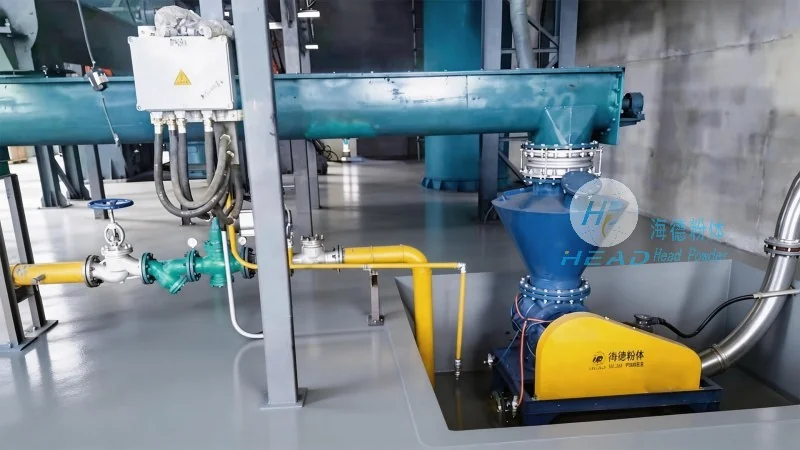
The pneumatic conveying system for silicon micropowder consists of several critical components, each playing a vital role in the overall operation. The main components include the hopper and feeder, air compressor, conveying pipeline, airlock or rotary valve, venturi or eductor, filter or cyclone separator, and the control panel. The hopper and feeder ensure a steady supply of silicon micropowder, preventing material buildup and maintaining consistent flow rates. The air compressor generates the high-pressure air required to create the necessary airflow for conveying. The conveying pipeline, typically made of stainless steel or other corrosion-resistant materials, transports the powder and air mixture. The airlock or rotary valve acts as a seal between the hopper and the pipeline, preventing air leakage and ensuring that only the required amount of material is fed into the system. The venturi or eductor uses the kinetic energy of the air to draw the powder particles into the pipeline, enhancing the conveying efficiency. The filter or cyclone separator separates the powder from the air, protecting the system and the environment from dust emissions. The control panel allows operators to monitor and adjust the system parameters, ensuring optimal performance and safety.
Advantages of Pneumatic Conveying for Silicon Micropowder Handling
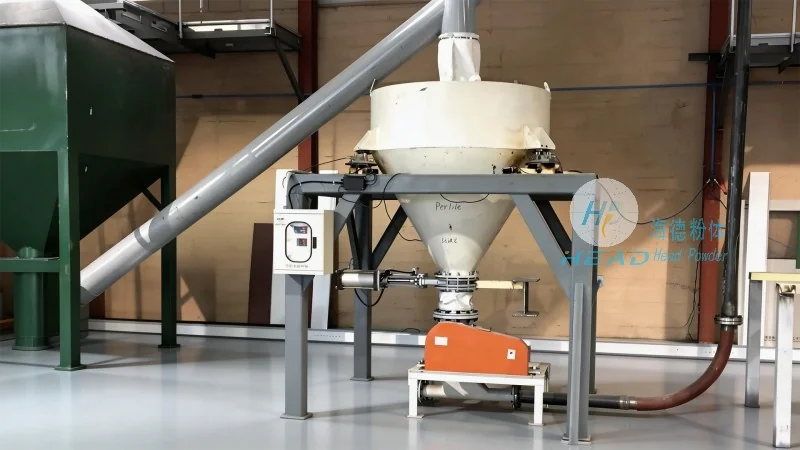
Compared to traditional methods like bucket elevators or belt conveyors, pneumatic conveying offers several advantages when handling silicon micropowder. One of the key advantages is the ability to transport the material in a closed system, which minimizes dust exposure and improves workplace safety. This is particularly important for silicon micropowder, which can be hazardous if inhaled. The closed system also helps maintain the purity of the material, preventing contamination from external sources. Another advantage is the flexibility of the system, which can be easily adjusted to handle varying flow rates and material characteristics. The system can be configured for both low and high-pressure operations, depending on the specific requirements of the application. Additionally, pneumatic conveying systems are generally more energy-efficient than other methods, as they use less power to transport the material over long distances. The continuous operation of the system also reduces downtime and increases overall productivity, making it an ideal choice for industrial applications where reliability and efficiency are paramount.
Applications and Industries Served
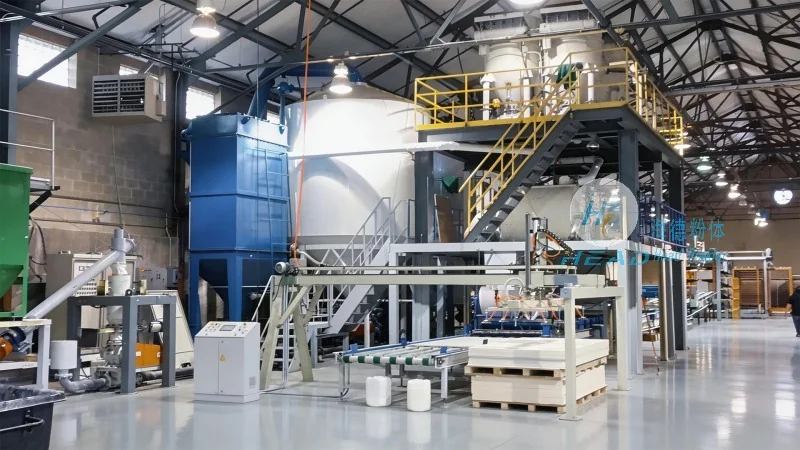
The pneumatic conveying equipment for silicon micropowder is widely used in various industries that require the handling of fine powders. Some of the key applications include the semiconductor industry, where silicon micropowder is used in the production of silicon wafers and other electronic components. The equipment is also used in the chemical industry for the transfer of silicon-based chemicals and additives. In the pharmaceutical industry, the system is employed to handle silicon-based excipients and other fine powders used in drug formulations. Additionally, the equipment is used in the food and beverage industry for the transfer of silicon-based ingredients and additives. The versatility of the system makes it suitable for a wide range of applications, from small-scale laboratory operations to large-scale industrial production lines.
Maintenance and Troubleshooting Tips
To ensure the long-term performance and reliability of the pneumatic conveying system for silicon micropowder, regular maintenance is essential. The maintenance schedule should include routine checks of the air compressor, filter, and pipeline for any signs of wear or damage. The air filter should be cleaned or replaced regularly to prevent clogging, which can reduce airflow and cause system inefficiencies. The pipeline should be inspected for any blockages or leaks, which can affect the conveying process. The control system should be checked for proper operation, ensuring that all parameters are within the desired range. If any issues arise, such as blockages or overloading, the system should be shut down immediately and inspected for the root cause. Common troubleshooting steps include checking the air pressure, ensuring the feeder is functioning correctly, and inspecting the filter for clogs. By following a regular maintenance schedule and addressing issues promptly, the system can operate efficiently and reliably for many years.
Conclusion
HeadPowder's pneumatic conveying equipment for silicon micropowder materials is a highly efficient and reliable solution for handling fine powders in industrial applications. The system's design, based on advanced pneumatic conveying principles, ensures optimal performance, minimal downtime, and improved safety. With its robust construction and flexible configuration, the equipment is suitable for a wide range of applications and industries. By understanding the operation process and working principles of the system, users can maximize its benefits and ensure its long-term performance. HeadPowder continues to innovate and improve its products to meet the evolving needs of the industry, providing customers with the best possible solutions for their material handling requirements.




