

Design of a Negative Pressure Pneumatic Conveying Device for Lithium Nickel Cobalt Aluminum Oxide
HeadPowder, a leading engineering firm based in Shandong, China, specializes in the design and development of advanced material handling solutions. The company focuses on creating efficient and reliable systems for the transportation of sensitive materials, such as lithium nickel cobalt aluminum oxide (NCA), which is widely used in lithium-ion battery production. This article introduces the design of a negative pressure pneumatic conveying device tailored for NCA material handling, highlighting key features, technical specifications, and practical applications.
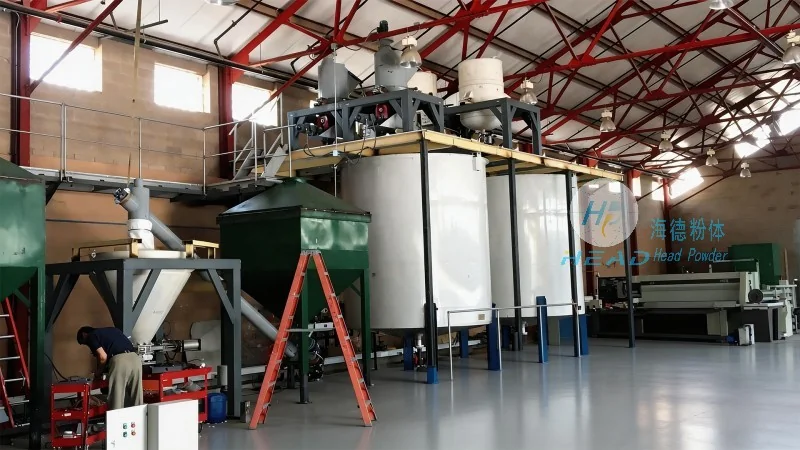
Company Overview and Expertise
Shandong HeadPowder Engineering Co., Ltd. is a professional engineering company dedicated to providing innovative solutions for material processing and handling. With years of experience in the industry, HeadPowder has built a strong reputation for delivering high-quality, customized equipment that meets the stringent requirements of modern manufacturing processes. The company's team of engineers and technicians leverages advanced technology and industry best practices to design systems that enhance productivity, ensure material integrity, and minimize operational costs.
Understanding the Negative Pressure Pneumatic Conveying System
The negative pressure pneumatic conveying system is a specialized method for transporting bulk materials through a pipeline using air or gas under reduced pressure. Unlike positive pressure systems, which force material through the line, negative pressure systems draw material into the system, making them ideal for handling materials that are sensitive to pressure changes or require a controlled environment. This approach is particularly suitable for NCA, a high-value material used in battery manufacturing, as it helps maintain the material's quality and prevents contamination.
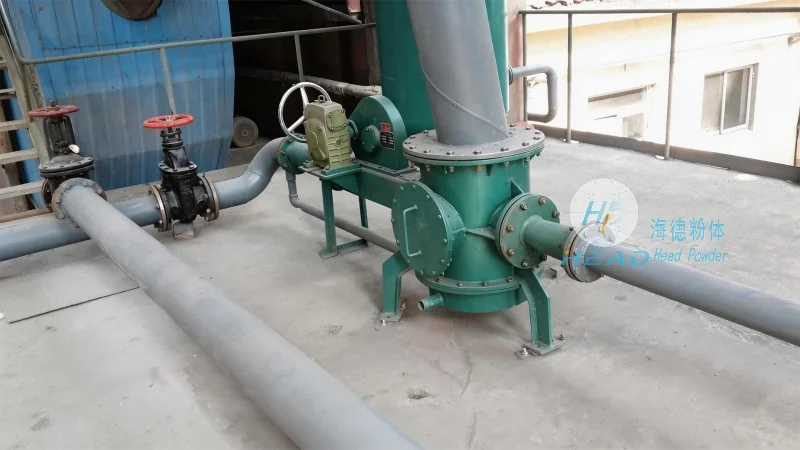
Key Design Features of the NCA Conveying Device
The negative pressure pneumatic conveying device for NCA material is engineered with several critical features to ensure optimal performance and material safety. The system incorporates a high-efficiency dust collector to capture and filter airborne particles, ensuring compliance with environmental regulations and maintaining a clean working environment. The conveying pipeline is constructed from corrosion-resistant materials, such as stainless steel, to prevent material degradation and equipment wear. Additionally, the system includes a material feed hopper with a controlled discharge mechanism, which allows for precise material flow regulation and prevents blockages.
Technical Specifications and Performance Parameters
The design of the negative pressure pneumatic conveying device for NCA is based on rigorous technical specifications to ensure reliable operation. The system operates at a negative pressure of approximately 0.5 to 1.0 bar, which is sufficient to draw material from the feed hopper to the destination point. The conveying velocity is optimized to prevent material degradation and maintain particle integrity, with typical velocities ranging from 10 to 20 meters per second. The system's capacity can be adjusted based on the material flow rate, with a maximum throughput of up to 10 tons per hour for NCA. The equipment also includes safety features, such as pressure relief valves and emergency shut-off mechanisms, to protect against overpressure and other operational hazards.
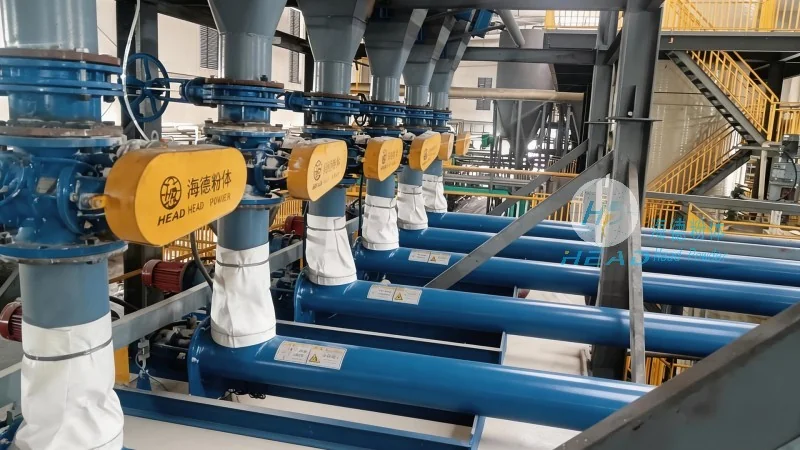
Application and Integration in Battery Manufacturing
The negative pressure pneumatic conveying device is specifically designed for use in lithium-ion battery production facilities, where NCA is a key component. The system is integrated into the battery cell manufacturing process to transport NCA from storage silos to mixing and coating lines. By using a negative pressure system, the device minimizes the risk of material exposure to air, which can affect the material's performance and battery efficiency. The system's compact design allows for easy integration into existing production lines, reducing installation time and costs. Additionally, the device's low maintenance requirements and high reliability ensure consistent performance over extended periods.
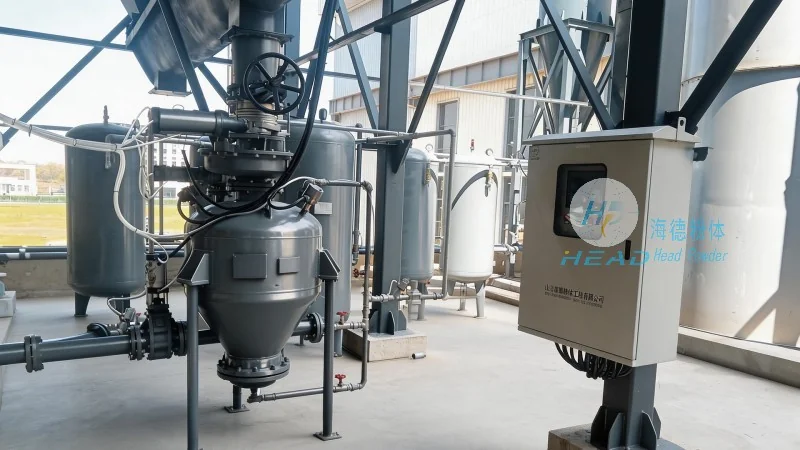
Advantages of the Negative Pressure Pneumatic Conveying System
Compared to other material handling methods, the negative pressure pneumatic conveying system offers several advantages for NCA transportation. The system provides a closed environment, which helps prevent dust contamination and maintains material purity. The low pressure operation reduces the risk of material degradation and equipment damage, leading to longer equipment life and lower maintenance costs. The system's flexibility allows for easy adjustment of material flow rates, making it suitable for varying production demands. Furthermore, the negative pressure approach minimizes the need for high-pressure components, reducing energy consumption and operational costs.
Conclusion
HeadPowder's negative pressure pneumatic conveying device for lithium nickel cobalt aluminum oxide represents a cutting-edge solution for material handling in battery manufacturing. The system's design, incorporating advanced engineering and material handling principles, ensures efficient, safe, and reliable transportation of NCA. By leveraging the expertise of Shandong HeadPowder Engineering Co., Ltd., manufacturers can enhance their production processes, improve material quality, and reduce operational costs. This innovative device is a testament to the company's commitment to providing high-quality, customized solutions that meet the evolving needs of the battery industry.