High-alumina fly ash, a byproduct of coal combustion, is widely utilized in industrial applications such as cement production, refractory materials, and building materials. The efficient transportation of this material is critical for industrial operations. Pneumatic conveying systems, especially those designed for high-alumina fly ash, offer an effective solution to handle this challenging material. This article provides an in-depth look at the operation process and working principle of a high-alumina fly ash pneumatic conveying machine, highlighting its key components, operational steps, and technical aspects that ensure optimal performance.
Company Profile: Shandong HeadPowder Engineering Co., Ltd.
Shandong HeadPowder Engineering Co., Ltd., commonly known as HeadPowder, is a leading manufacturer specializing in the design, development, and production of advanced pneumatic conveying equipment. With a strong focus on innovation and customer satisfaction, HeadPowder has established itself as a trusted partner in the industry. The company's headquarters is located in Shandong, China, where it leverages local resources and expertise to deliver high-quality solutions tailored to the needs of various industrial sectors.
Overview of High-Alumina Fly Ash Pneumatic Conveying Equipment
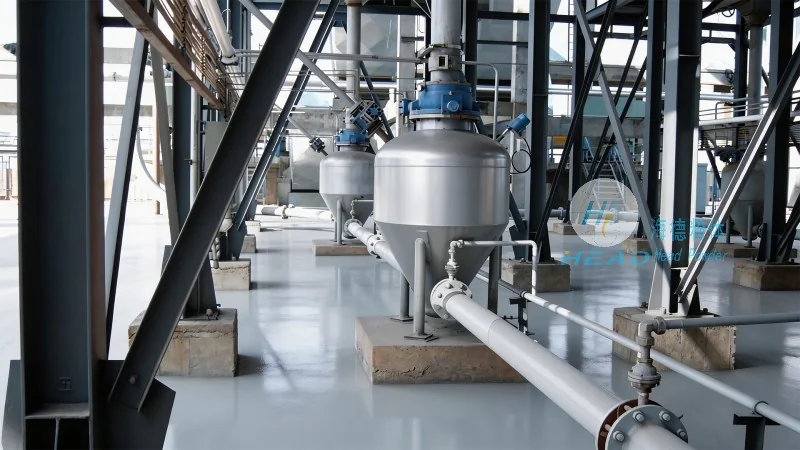
The high-alumina fly ash pneumatic conveying machine is engineered to transport high-alumina fly ash from its source to the destination point using a combination of air pressure and vacuum. This equipment is designed to handle the unique properties of high-alumina fly ash, including its high density, abrasive nature, and potential for dust generation. The system typically consists of several key components, including a hopper, a feeder, a conveyor line, a filter system, and a control panel. Each component plays a critical role in ensuring the smooth and efficient operation of the entire system.
Key Components of the Pneumatic Conveying System
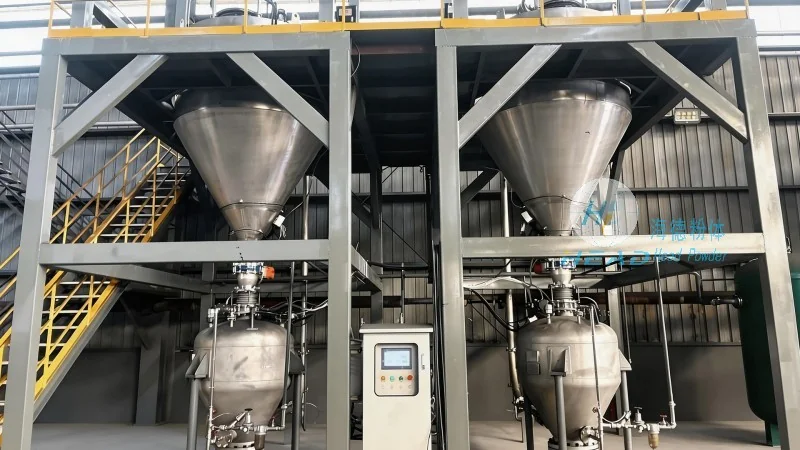
The hopper is the primary storage unit where the high-alumina fly ash is stored before being conveyed. It is designed to accommodate large volumes of material and features a smooth interior to prevent material buildup and blockages. The feeder, often a rotary valve or a screw feeder, regulates the flow of material from the hopper into the conveyor line. This component ensures a consistent and controlled feed rate, which is essential for maintaining the system's efficiency and preventing overloading. The conveyor line, which can be either a positive pressure or a negative pressure system, is responsible for transporting the material through the pipeline. The filter system is crucial for capturing any dust or particles that may escape during the conveying process, ensuring compliance with environmental regulations and maintaining a clean working environment. The control panel allows operators to monitor and control the system's parameters, such as pressure, flow rate, and material level, ensuring optimal performance and safety.
Operation Process of the High-Alumina Fly Ash Pneumatic Conveying Machine
The operation process of the high-alumina fly ash pneumatic conveying machine involves several sequential steps. First, the high-alumina fly ash is loaded into the hopper. The feeder then starts to discharge the material at a controlled rate into the conveyor line. Simultaneously, the air compressor or vacuum pump generates the necessary air pressure or vacuum to move the material through the pipeline. The material is carried by the air stream, which is directed through the conveyor line to the destination point, such as a storage silo or a processing unit. The filter system continuously captures any dust particles that may be present in the air stream, ensuring that the exhaust air is clean and safe to release. The control panel monitors the system's performance in real-time, providing feedback on pressure, flow rate, and material level. If any abnormalities are detected, the system can automatically adjust its parameters or shut down to prevent damage or accidents.
Working Principle of the Pneumatic Conveying System
The working principle of the high-alumina fly ash pneumatic conveying system is based on the principle of fluidization and transport of solid particles by a gas stream. In a positive pressure system, the air compressor supplies compressed air to the hopper, creating a pressure that forces the material to flow through the conveyor line. The air and material mixture moves through the pipeline at a high velocity, ensuring that the material is fully suspended and transported efficiently. In a negative pressure system, the vacuum pump creates a vacuum in the pipeline, drawing the material from the hopper into the conveyor line. The air stream carries the material through the pipeline, and the filter system captures any dust particles before the air is released. The key to the system's efficiency lies in maintaining the correct air-to-material ratio, which ensures that the material is fully suspended and transported without causing blockages or excessive wear on the system components.
Advantages of Using High-Alumina Fly Ash Pneumatic Conveying Equipment
There are several advantages to using high-alumina fly ash pneumatic conveying equipment for transporting this material. First, the system is highly efficient, as it can transport large volumes of material over long distances with minimal energy consumption. Second, the system is flexible, as it can be easily adapted to different material properties and operational requirements. Third, the system is safe and reliable, as it eliminates the need for manual handling of the material, reducing the risk of accidents and exposure to dust. Fourth, the system is environmentally friendly, as it captures and filters any dust particles, ensuring compliance with environmental regulations. Finally, the system is cost-effective, as it reduces labor costs and minimizes material loss during transportation.
Applications of High-Alumina Fly Ash Pneumatic Conveying Equipment
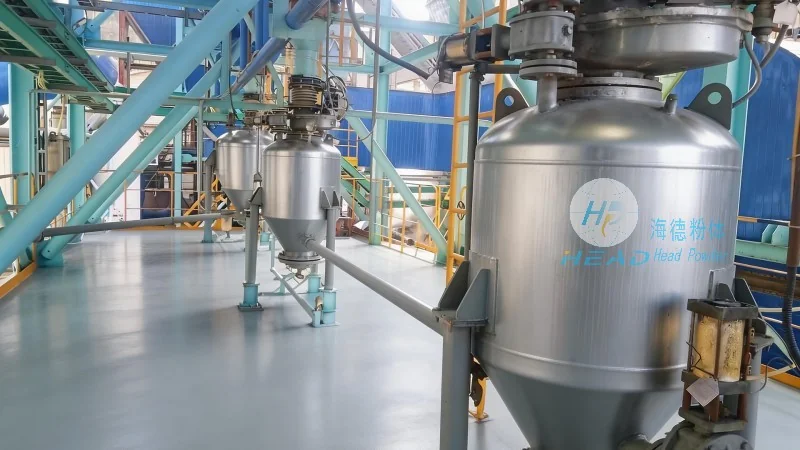
The high-alumina fly ash pneumatic conveying equipment is widely used in various industrial applications. In the cement industry, it is used to transport high-alumina fly ash from the power plant to the cement plant, where it is used as a raw material. In the refractory industry, it is used to transport high-alumina fly ash to the production line, where it is used to make refractory bricks and other products. In the building materials industry, it is used to transport high-alumina fly ash to the production line, where it is used to make concrete and other building materials. The equipment is also used in other industries, such as the chemical industry and the steel industry, where high-alumina fly ash is used as a raw material or a byproduct.
Maintenance and Troubleshooting of the High-Alumina Fly Ash Pneumatic Conveying Machine
Maintenance is crucial for ensuring the long-term performance and reliability of the high-alumina fly ash pneumatic conveying machine. Regular maintenance includes cleaning the hopper and feeder to prevent material buildup, checking the filter system for clogs or damage, and inspecting the conveyor line for wear or blockages. If any issues are detected, the system should be repaired or replaced as soon as possible to prevent further damage or accidents. Troubleshooting is also important, as it helps to identify and resolve any problems that may occur during operation. Common issues include low pressure, high material temperature, and dust leakage. By addressing these issues promptly, the system can be kept in optimal condition and continue to operate efficiently.
Conclusion
High-alumina fly ash pneumatic conveying equipment is an essential tool for the efficient and reliable transportation of high-alumina fly ash. The operation process and working principle of this equipment are designed to handle the unique properties of high-alumina fly ash, ensuring that it is transported safely and efficiently. With the right design and maintenance, this equipment can provide long-term benefits to industrial operations, including increased productivity, reduced costs, and improved safety. Shandong HeadPowder Engineering Co., Ltd. is a leading manufacturer of this equipment, providing high-quality solutions tailored to the needs of various industrial sectors.




