Shandong HeadPowder Engineering Co., Ltd., a leading manufacturer based in Shandong, China, specializes in the design and production of advanced pneumatic conveying equipment tailored for handling wood dust materials. The company's expertise lies in developing efficient and reliable systems that ensure safe and effective material transport, meeting the diverse needs of industrial applications. This article provides an in-depth look at the operation process and working principles of such equipment, highlighting key components and operational mechanisms.
Key Components of the Pneumatic Conveying System
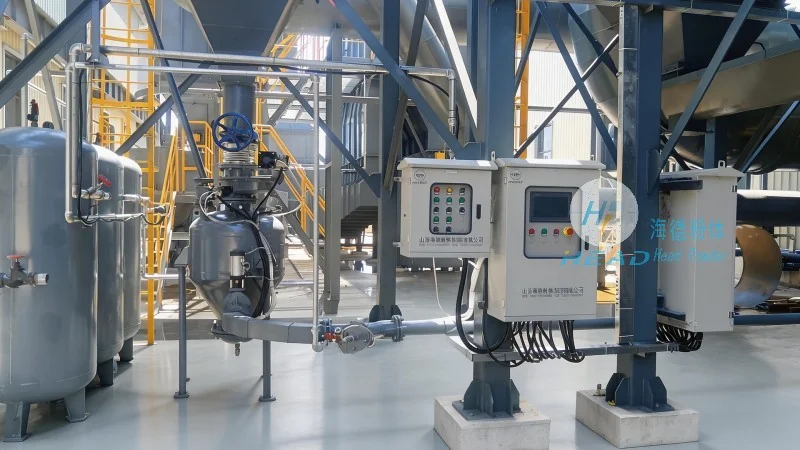
The pneumatic conveying system for wood dust materials typically consists of several critical components that work in tandem to facilitate material transport. These include the hopper for material storage, a rotary valve or feeder to control the flow of wood dust, a pipeline network for conveying the material, a blower or air compressor to generate the necessary air pressure, and a receiver or discharge unit for material collection. Each component plays a vital role in ensuring the smooth and efficient operation of the system. The hopper is designed to hold the wood dust, providing a consistent feed to the feeder. The rotary valve or feeder regulates the amount of material entering the pipeline, preventing overloading and maintaining a steady flow. The pipeline, often made of stainless steel or other corrosion-resistant materials, is engineered to withstand the abrasive nature of wood dust and maintain air pressure. The blower or air compressor supplies the air pressure required to move the material through the pipeline, with the pressure level adjusted based on the distance and volume of material to be conveyed. Finally, the receiver or discharge unit collects the wood dust at the end of the pipeline, completing the transport process.
Operation Process of the Pneumatic Conveying Equipment
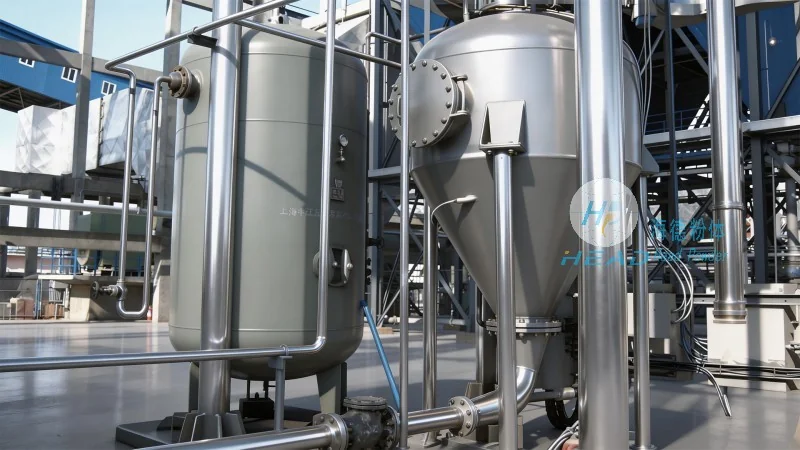
The operation process of the pneumatic conveying equipment for wood dust materials begins with the loading of wood dust into the hopper. The material is then fed into the pipeline through the rotary valve or feeder, which controls the flow rate. Simultaneously, the blower or air compressor starts operating, generating the air pressure needed to move the material. As the air flows through the pipeline, it carries the wood dust particles, creating a mixture of air and material known as a slurry or suspension. The mixture travels through the pipeline to the receiver or discharge unit, where the material is separated from the air. The air is then typically filtered and recycled back to the blower, while the wood dust is collected in the receiver. This continuous cycle ensures the efficient transport of wood dust from the source to the destination, minimizing material loss and operational downtime.
Working Principle of the Pneumatic Conveying System
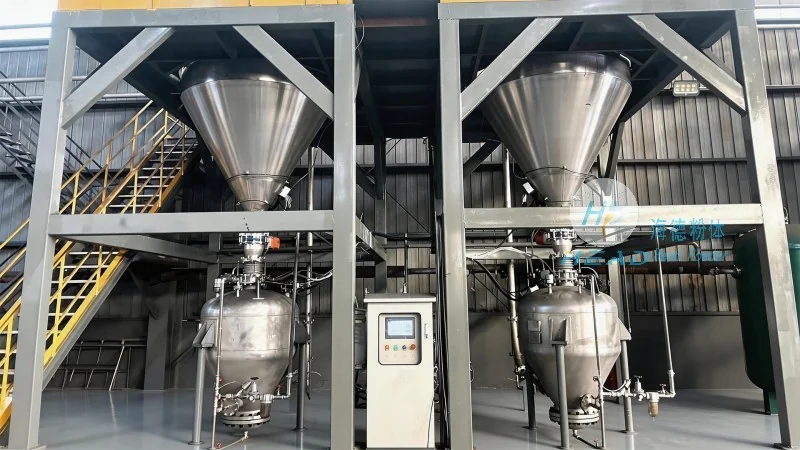
The working principle of the pneumatic conveying system for wood dust materials is based on the use of air pressure to transport the material through a pipeline. The system operates on the principle of fluid dynamics, where the air pressure creates a force that propels the wood dust particles along the pipeline. The key to efficient operation is maintaining the correct air velocity and pressure within the pipeline. If the air velocity is too low, the wood dust may settle and cause blockages; if it is too high, excessive energy consumption and potential damage to the system components may occur. The system is designed to optimize these parameters, ensuring that the wood dust is transported smoothly and without issues. The blower or air compressor provides the necessary pressure, and the pipeline design, including the diameter and length, is carefully calculated to achieve the optimal air velocity for the specific material being conveyed. Additionally, the system may include features such as airlocks or check valves to prevent backflow and maintain the direction of material flow, further enhancing the reliability and efficiency of the operation.
Advantages of Using Pneumatic Conveying Equipment for Wood Dust
Employing pneumatic conveying equipment for wood dust materials offers several advantages over traditional methods such as belt conveyors or manual handling. Firstly, it provides a dust-free and hygienic environment, as the material is enclosed within the pipeline, preventing dust emissions and contamination. This is particularly important for wood dust, which can be a respiratory hazard and cause environmental issues. Secondly, the system is highly efficient in terms of space utilization, as it can transport material over long distances without the need for multiple transfer points or elevated structures. Thirdly, it offers flexibility in terms of layout, allowing the system to be installed in various configurations to suit the specific requirements of the facility. Fourthly, the equipment is easy to maintain and operate, with minimal moving parts and automated controls that reduce the need for manual intervention. Finally, the system can be integrated with other industrial processes, such as drying or processing, to create a seamless workflow, enhancing overall productivity.
Applications and Industries Using Pneumatic Conveying Systems
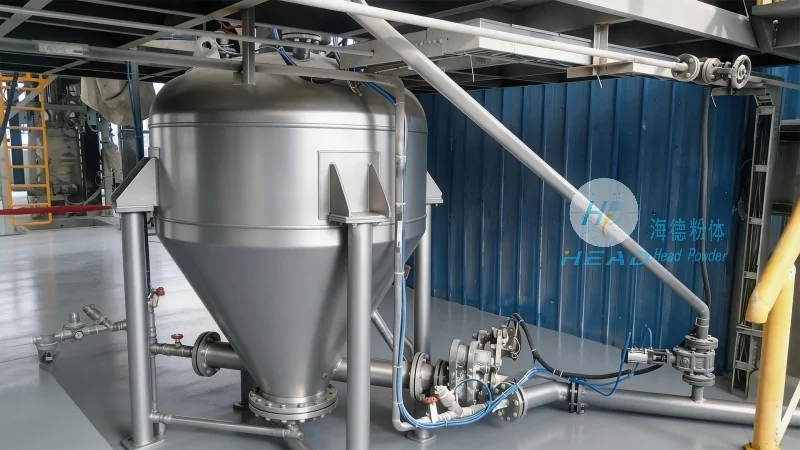
The pneumatic conveying equipment for wood dust materials is widely used in various industries that handle wood dust, including woodworking, furniture manufacturing, and biomass energy production. In woodworking facilities, the system is used to transport wood dust from the cutting and grinding processes to the collection and storage areas, ensuring a clean and safe working environment. In furniture manufacturing, it helps in moving wood dust from the sanding and polishing stages to the waste management system, reducing the risk of fire hazards and improving workplace safety. In biomass energy production, the system is used to transport wood dust to the combustion or gasification units, contributing to the efficient generation of energy from renewable resources. The versatility of the system makes it suitable for a wide range of applications, from small-scale woodworking shops to large industrial facilities, providing a reliable solution for material transport in the wood processing industry.




