Shandong HeadPowder Engineering Co., Ltd., a leading manufacturer in the field, specializes in the design and production of pneumatic conveying systems for mineral powder materials. The company, commonly known as HeadPowder, is headquartered in Shandong, China, and has established itself as a reliable partner for industries requiring efficient and reliable material handling solutions. This article delves into the operation process and working principle of the mineral powder material pneumatic conveying machine, providing a comprehensive understanding of its functionality and application.
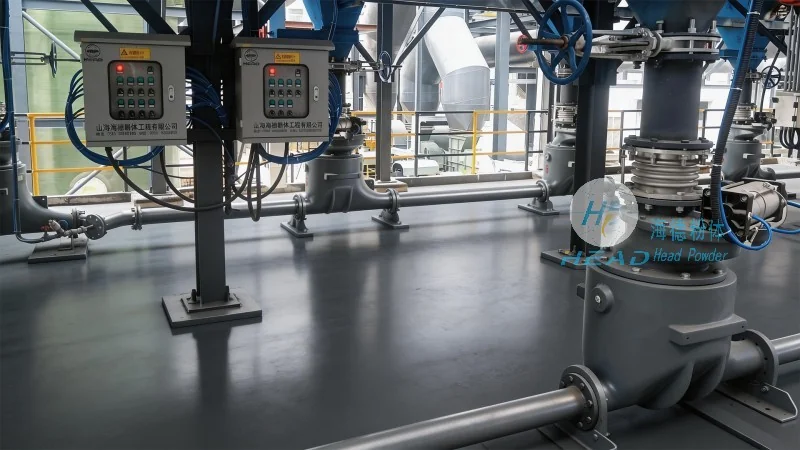
Key Features and Applications
The mineral powder material pneumatic conveying machine is engineered to handle a wide range of mineral powders, including but not limited to cement, limestone, coal ash, and various industrial powders. HeadPowder's expertise ensures that the equipment is tailored to meet the specific requirements of different industries, such as construction, mining, and chemical processing. The machine is designed for high efficiency, low maintenance, and durability, making it an ideal choice for continuous material transport over long distances or within complex processing systems.
Operation Process
The operation of the mineral powder material pneumatic conveying machine involves several key steps that ensure smooth and efficient material transport. Initially, the mineral powder is fed into the hopper or feeder unit, where it is stored and prepared for transfer. The feeder then regulates the flow rate of the powder, ensuring a consistent and controlled supply to the conveying system. As the powder enters the conveying line, it is mixed with the conveying medium, typically air or a combination of air and other gases, which creates a slurry or suspension that propels the material through the pipeline.
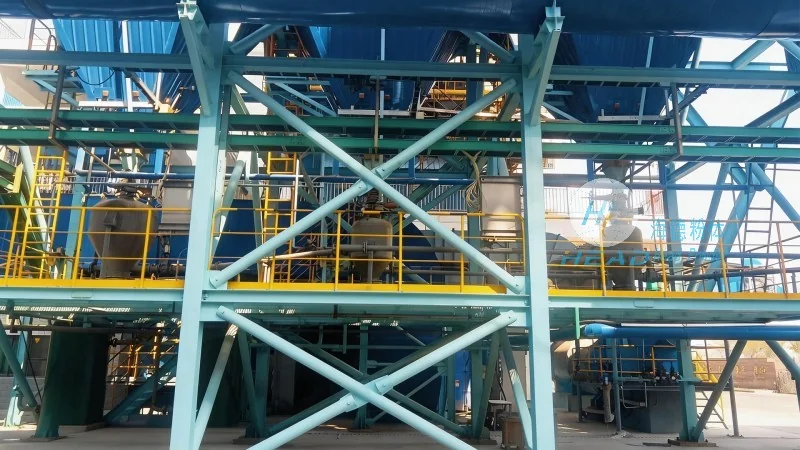
During the conveying process, the machine maintains a stable pressure and flow rate to prevent blockages and ensure the material reaches its destination without degradation. The system includes pressure sensors and control valves that monitor and adjust the air pressure and flow, optimizing the conveying efficiency. Upon reaching the discharge point, the material is separated from the conveying medium through a cyclone separator or other filtration equipment, and the powder is collected in a designated storage or processing area. The conveying medium is then filtered and recycled back into the system, minimizing waste and energy consumption.
Working Principle
The working principle of the mineral powder material pneumatic conveying machine is based on the fundamental concept of pneumatic transport, where the material is suspended and transported by the force of the conveying medium. The machine operates by creating a pressure differential between the inlet and outlet of the conveying line. At the inlet, the conveying medium is introduced at a high velocity, creating a negative pressure that draws the mineral powder into the pipeline. The powder particles are then entrained by the air stream, forming a homogeneous mixture that moves through the system.
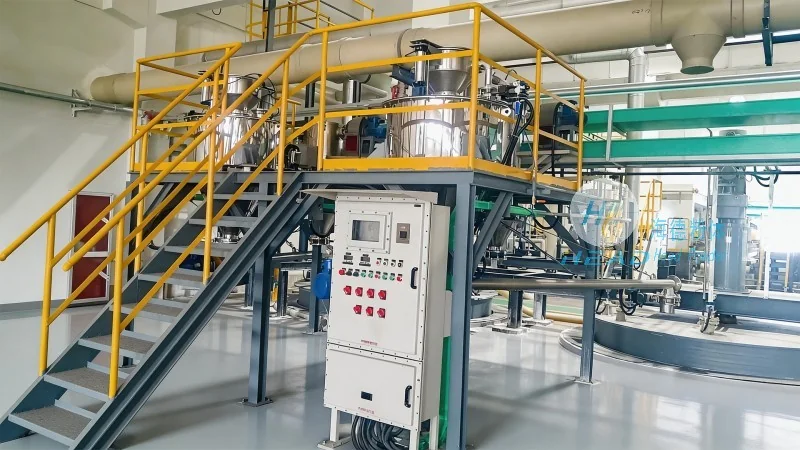
The design of the conveying line, including the diameter, length, and bends, is critical to the efficiency of the system. Properly sized and positioned components, such as expansion joints and flow straighteners, help maintain the stability of the material-air mixture and prevent pressure losses. The use of positive or negative pressure systems depends on the specific application and the distance over which the material needs to be transported. Positive pressure systems are commonly used for short to medium distances, while negative pressure systems are preferred for longer distances or when the material needs to be transported from a higher to a lower elevation.
Advantages and Benefits
HeadPowder's mineral powder material pneumatic conveying machine offers several advantages over traditional material handling methods, such as belt conveyors or bucket elevators. The primary benefit is the ability to transport materials in a dust-free environment, which enhances workplace safety and reduces the risk of contamination. Additionally, the system is compact and requires less floor space compared to other conveying solutions, making it suitable for installations with limited space. The machine also provides high flexibility in terms of layout, as the conveying line can be easily reconfigured to accommodate changes in production processes or facility expansions.
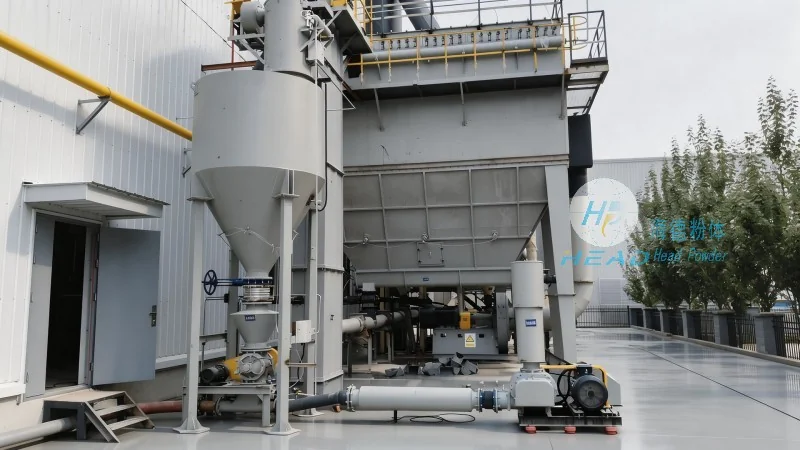
Another significant advantage is the low maintenance requirement. The pneumatic conveying system has fewer moving parts compared to mechanical conveyors, reducing the likelihood of breakdowns and minimizing downtime. The use of air as the conveying medium also eliminates the need for heavy machinery or equipment, which can be costly to maintain and operate. Furthermore, the system is energy-efficient, as the air pressure and flow rate can be adjusted to match the specific load requirements, resulting in lower energy consumption and operational costs.
Conclusion
Shandong HeadPowder Engineering Co., Ltd. provides a reliable and efficient solution for mineral powder material handling through its pneumatic conveying machines. The operation process and working principle of the equipment ensure high performance, low maintenance, and environmental friendliness. By understanding the key features and benefits of the mineral powder material pneumatic conveying machine, industries can make informed decisions about their material handling needs and choose the most suitable solution for their operations. HeadPowder's commitment to quality and innovation ensures that their products meet the highest standards, making them a trusted choice for businesses worldwide.




