For industrial applications that require the efficient handling of lime material, pneumatic conveyors offer a reliable and effective solution. This article explores the operation process and working principle of a lime material pneumatic conveyor, highlighting how such equipment can enhance material transport efficiency in various industrial settings.
Understanding the Core Components of a Lime Material Pneumatic Conveyor
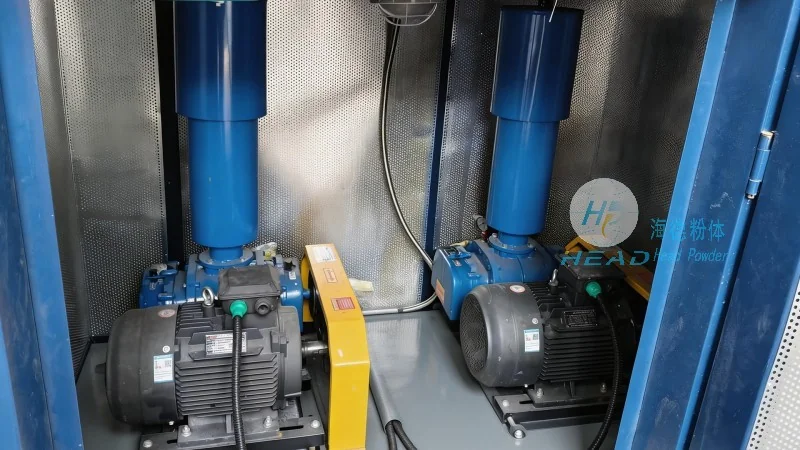
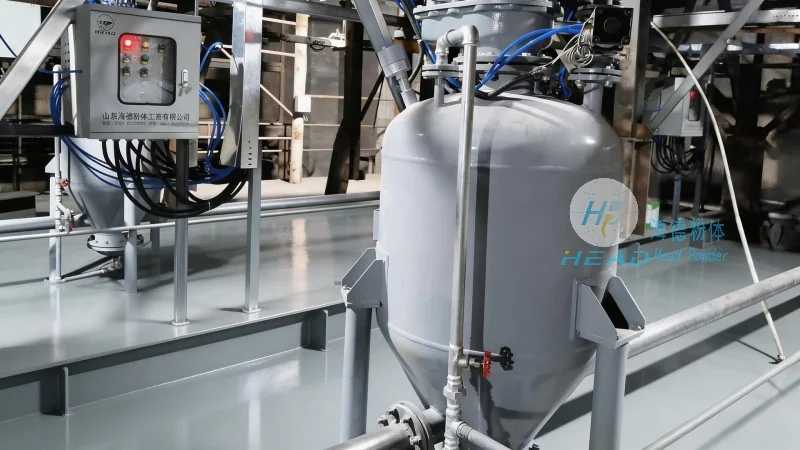
The operation of a lime material pneumatic conveyor begins with an understanding of its key components. These typically include a hopper for material storage, a conveyor line (often a flexible hose or rigid pipe), a blower or air compressor to generate the air flow, and a discharge outlet for the material. Each component plays a crucial role in ensuring the smooth and efficient transport of lime material from the source to the destination.
The Working Principle: How Air Flow Transports Lime Material
The fundamental principle behind a pneumatic conveyor is the use of air pressure to move material particles through a conduit. In the case of lime material, which is often a fine or granular substance, the conveyor system utilizes a positive pressure or negative pressure (suction) method. The blower generates a consistent airflow that pulls or pushes the lime particles along the conveyor line. The design of the hopper and the discharge outlet is critical to prevent material buildup and ensure a continuous flow. The air flow rate and pressure are carefully controlled to match the characteristics of the lime material, such as its density and particle size, to optimize transport efficiency and minimize system wear.
Step-by-Step Operation Process of the Conveyor System
1. **Material Loading**: The process starts with loading the lime material into the hopper. The hopper is designed to hold a sufficient quantity of material to maintain a steady flow during operation. Proper loading ensures that the conveyor can operate continuously without frequent interruptions for refilling.
2. **Air Flow Initiation**: Once the hopper is loaded, the blower is activated to generate the required air pressure. The air flow is directed into the conveyor line, creating a stream that is ready to transport the material.
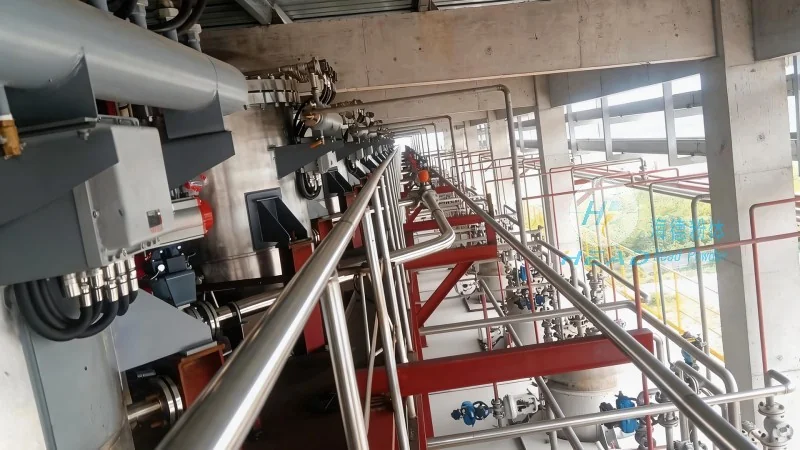
3. **Material Transport**: As the air flows through the conveyor line, the lime particles are entrained and carried along the path. The design of the conveyor line, including bends and turns, is engineered to minimize friction and maintain the air flow velocity necessary to keep the material suspended.
4. **Discharge and Collection**: At the end of the conveyor line, the material is discharged into a collection container or directly to the processing equipment. The air flow continues until all material has been transported, and then the system may be adjusted for the next batch.
Enhancing Efficiency with Proper System Design
The effectiveness of a lime material pneumatic conveyor depends heavily on the system design. Factors such as the length of the conveyor line, the number of bends, and the type of air flow (positive or negative pressure) are all considered during the design phase. For lime material, which can be abrasive, the materials used for the hopper and conveyor line are often selected to withstand wear and tear. Additionally, the blower's capacity must be matched to the material's characteristics to prevent clogging or reduced efficiency.
Applications and Benefits in Industrial Settings
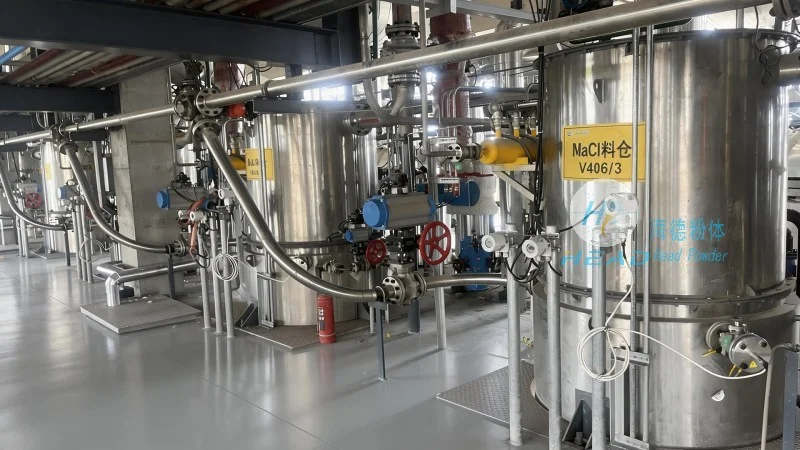
Lime material pneumatic conveyors are widely used in industries such as construction, agriculture, and chemical processing. The benefits of using such equipment include reduced labor costs, minimized material handling time, and improved safety by eliminating manual handling of potentially dusty or heavy lime material. The system also helps in maintaining a clean and organized workspace by containing the material within the conveyor system.
Conclusion: The Role of Shandong HeadPowder Engineering Co., Ltd. in Pneumatic Conveyor Solutions
Shandong HeadPowder Engineering Co., Ltd., a leading manufacturer in the field, specializes in providing high-quality pneumatic conveyor systems tailored to the needs of various industries. With a focus on efficient operation and reliable performance, their equipment is designed to handle the unique challenges of transporting lime material. By understanding the operation process and working principle of these systems, industries can make informed decisions about implementing pneumatic conveyors to enhance their material handling capabilities. The combination of advanced engineering and practical application ensures that lime material pneumatic conveyors remain a preferred choice for efficient material transport in modern industrial operations.




