

What is a Chloroprene Rubber Material Pneumatic Conveying Machine? And What Are Its Design Principle
Chloroprene rubber, also known as neoprene, is a synthetic polymer widely used in industrial applications due to its excellent resistance to oil, chemicals, and weathering. When handling such materials, specialized equipment is often required to ensure efficient and safe transportation. The chloroprene rubber material pneumatic conveying machine is a key piece of equipment designed specifically for the transport of chloroprene rubber powders or granules. This equipment utilizes air or gas as the conveying medium to move the material from one location to another, offering advantages such as low maintenance, no mechanical contact with the material, and the ability to handle fine or abrasive powders.
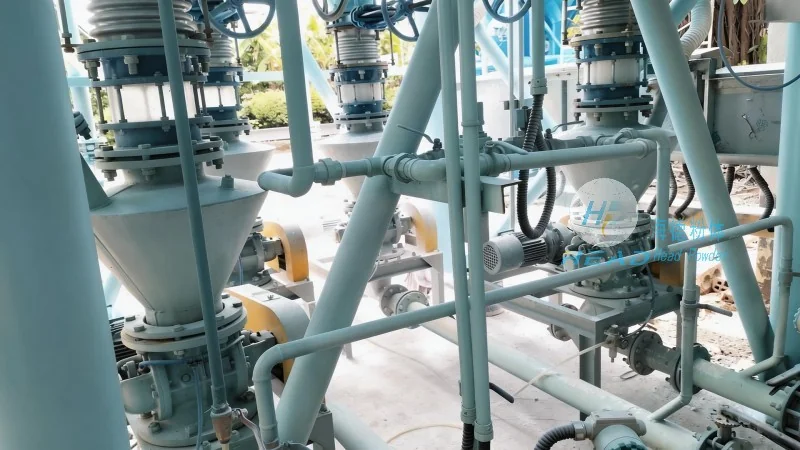
HeadPowder, a leading manufacturer in the field, specializes in the design and production of pneumatic conveying systems tailored for various industrial materials, including chloroprene rubber. The company, based in Shandong, China, combines advanced engineering with years of industry experience to deliver high-quality solutions that meet the unique demands of different applications.
Design Principles of Chloroprene Rubber Material Pneumatic Conveying Machines
The design of a chloroprene rubber material pneumatic conveying machine is based on fundamental principles of fluid dynamics and material handling. The core components typically include a hopper for material storage, a conveyor line (either positive or negative pressure), a separator to separate the material from the air, and a collection tank or silo. The choice between positive and negative pressure systems depends on the specific application and the distance the material needs to be conveyed.
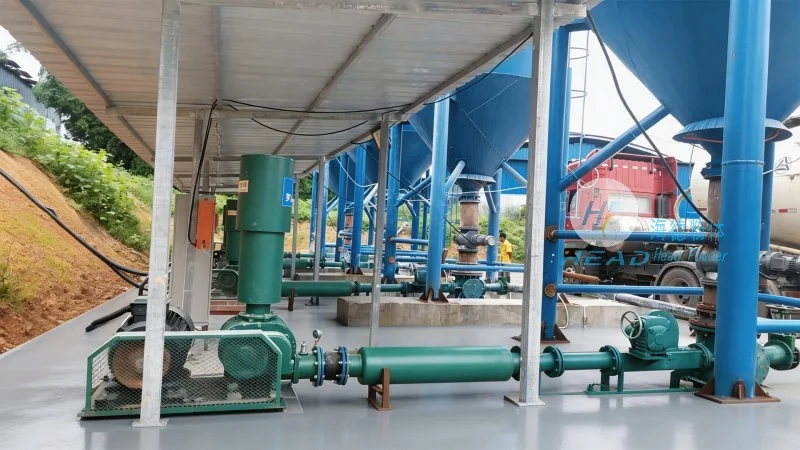
Positive pressure systems, also known as pressure conveying, use a blower or compressor to generate air pressure that pushes the material through the system. This method is suitable for long-distance or high-capacity conveying and is often preferred when the material is abrasive or has a high density. Negative pressure systems, or vacuum conveying, use a vacuum pump to create a suction effect that draws the material into the system. This approach is ideal for short-distance conveying or when the material is light and fine.
For chloroprene rubber, which can be sensitive to moisture and contamination, the design incorporates features to maintain material integrity. For instance, the material may be pre-dried and stored in a sealed hopper to prevent moisture absorption. The conveying line is often made of corrosion-resistant materials, such as stainless steel or special coatings, to withstand the chemical properties of the rubber. Additionally, the system may include filters and cyclones to ensure that the air leaving the system is clean and that the material is not lost during the process.
Advantages of Using Chloroprene Rubber Material Pneumatic Conveying Machines
Implementing a chloroprene rubber material pneumatic conveying machine offers several advantages over traditional mechanical conveying methods. One of the most significant benefits is the lack of mechanical contact between the material and the equipment. This reduces the risk of contamination and wear, which is crucial when handling sensitive materials like chloroprene rubber. Additionally, the equipment can handle fine powders and granules that would be difficult to transport using traditional methods, such as screw conveyors or belt conveyors.
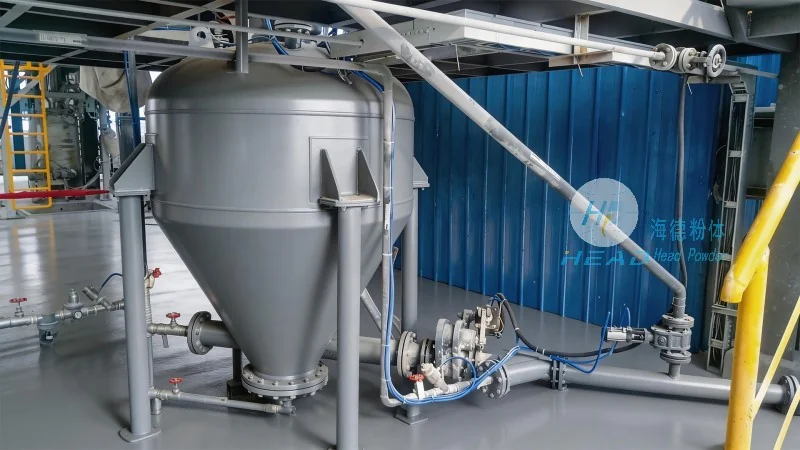
Another advantage is the ability to convey materials in a closed system. This helps to control dust emissions and maintain a clean working environment, which is essential in industrial settings. The closed system also prevents the material from being exposed to external factors, such as moisture or air, which could affect its properties. Furthermore, the equipment is generally more energy-efficient compared to other methods, as it uses air as the primary conveying medium rather than mechanical components.
Applications of Chloroprene Rubber Material Pneumatic Conveying Machines
Chloroprene rubber material pneumatic conveying machines are widely used in various industries where chloroprene rubber is processed. These include the manufacturing of rubber products, such as hoses, seals, and gaskets, as well as in the production of adhesives and coatings. The equipment is also used in the chemical industry for handling rubber powders and granules during the production of synthetic rubber compounds.
In these applications, the machine ensures that the chloroprene rubber is transported efficiently and safely from storage to processing equipment. This helps to maintain consistent quality and reduce downtime in the production process. The ability to handle fine powders and granules also makes the equipment suitable for applications where the material needs to be mixed with other components, such as additives or fillers, before further processing.
Maintenance and Operational Considerations
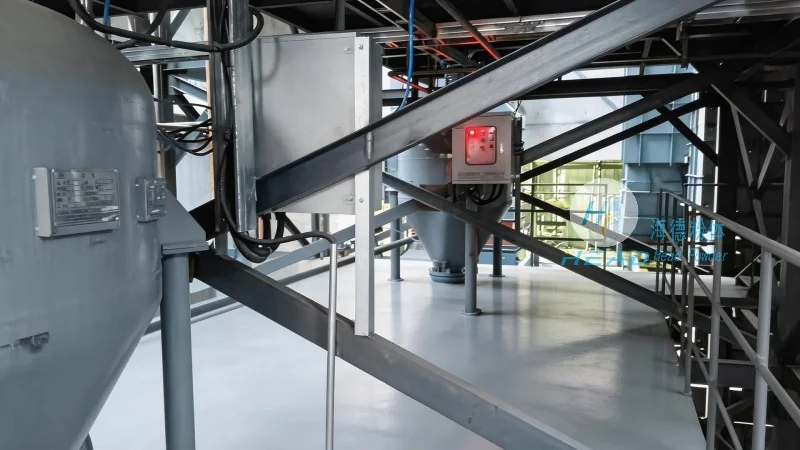
Proper maintenance is essential to ensure the longevity and efficiency of a chloroprene rubber material pneumatic conveying machine. Regular cleaning of the hopper, conveyor line, and separator is necessary to prevent the buildup of material and ensure smooth operation. The filters and cyclones should be checked and replaced as needed to maintain air quality and prevent material loss. Additionally, the blower or vacuum pump should be inspected regularly to ensure it is operating at optimal performance.
When operating the machine, it is important to follow the manufacturer's guidelines to prevent damage to the equipment. This includes ensuring that the material is properly dried and stored before conveying, as well as monitoring the air pressure or vacuum levels to maintain consistent conveying performance. By adhering to these guidelines, users can maximize the lifespan of the equipment and minimize downtime due to maintenance issues.