

Operation Process and Working Principle of Glass Fiber Powder Material Handling System Equipment
Shandong HeadPowder Engineering Co., Ltd., commonly known as headpowder, specializes in the design, manufacturing, and installation of advanced material handling systems tailored for industrial applications. With a focus on precision and efficiency, the company has established itself as a leading provider of solutions for transporting and processing glass fiber powders, a critical component in various manufacturing sectors.
Importance of Efficient Glass Fiber Powder Handling Systems
Glass fiber powders are widely used in industries such as composites, textiles, and construction due to their high strength and durability. However, the handling of these powders requires specialized equipment to ensure safety, minimize dust generation, and maintain product quality. An efficient material handling system is essential to streamline production processes, reduce operational costs, and enhance overall productivity in facilities that rely on glass fiber powders.
Overview of the Glass Fiber Powder Material Handling System
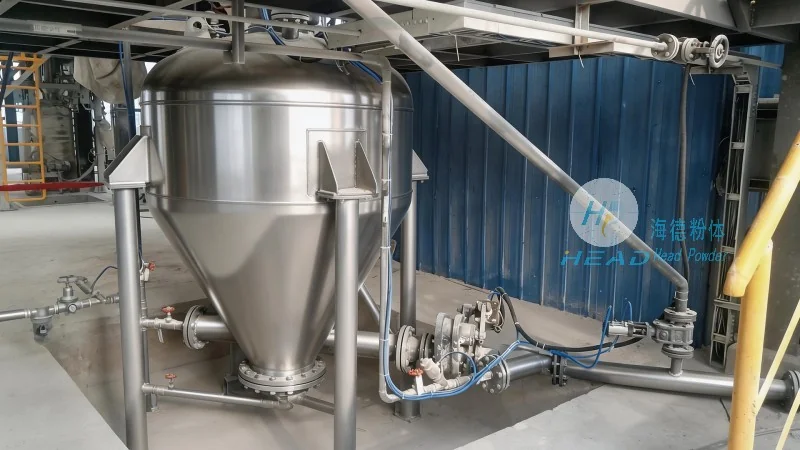
The glass fiber powder material handling system is a comprehensive solution designed to transport, store, and distribute glass fiber powders from raw material storage to processing units. The system typically includes components such as hoppers, feeders, conveyors, and dust collection systems, all integrated to work in harmony. Each component is engineered to handle the unique properties of glass fiber powders, including their fine particle size and potential for static charge buildup.
Operation Process of the Material Handling System
The operation of the glass fiber powder material handling system begins with the loading of raw glass fiber powders into the storage hopper. The hopper is equipped with a level indicator to monitor the material volume, ensuring that the system operates within optimal capacity. When the processing unit requires material, the feeder activates, controlling the flow rate of the powder from the hopper to the conveyor. The conveyor then transports the powder to the processing equipment, such as mixers or extruders, where it is integrated into the final product. Throughout the process, the system continuously monitors key parameters like flow rate, pressure, and temperature to maintain consistent performance.
Working Principle of the System Components
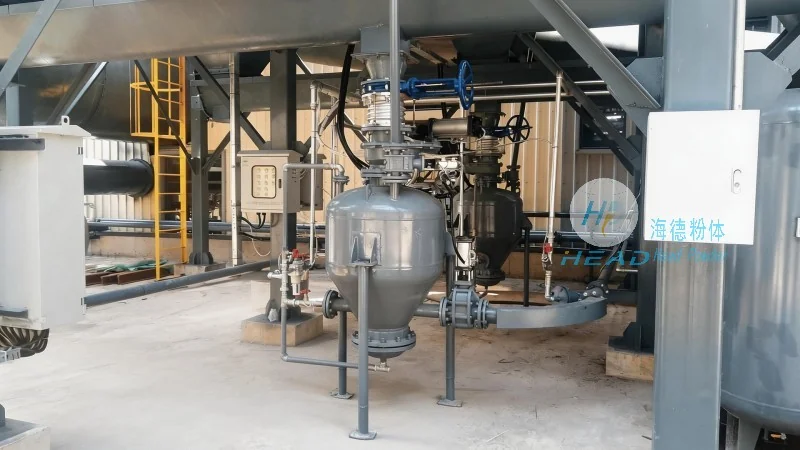
The system's working principle is based on mechanical and pneumatic mechanisms that work together to ensure smooth material flow. The hopper uses gravity to feed the powder into the feeder, which may employ a screw or vibratory mechanism to regulate the discharge rate. The conveyor system, often a belt or screw conveyor, moves the powder through the production line. Dust collection systems, including filters and fans, are integrated to capture airborne particles, maintaining a clean and safe working environment. The control system, typically a programmable logic controller (PLC), coordinates the operation of all components, ensuring that the system responds to changes in demand and adjusts parameters accordingly.
Key Technical Features and Advantages
Shandong HeadPowder Engineering Co., Ltd. has incorporated several advanced features into their glass fiber powder material handling systems to enhance performance and reliability. These include: 1. Anti-static design to prevent powder buildup and reduce the risk of sparks; 2. High-efficiency dust collection to minimize environmental impact and maintain air quality; 3. Adjustable flow control to accommodate varying production rates; 4. Robust construction to withstand the abrasive nature of glass fiber powders; 5. Integrated monitoring and alarm systems to detect and address issues promptly. These features collectively contribute to a system that is both efficient and durable, meeting the demands of modern industrial applications.
Applications in Industrial Manufacturing
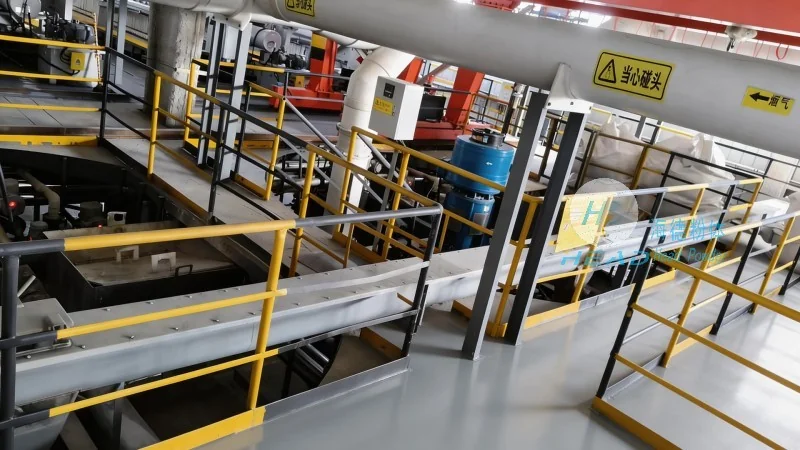
The glass fiber powder material handling system is widely used in various industrial settings, including: 1. Composite manufacturing, where glass fiber powders are mixed with resins to create strong, lightweight materials; 2. Textile production, where the powders are used to create fibers for fabrics; 3. Construction materials, such as reinforced concrete, where the fibers enhance structural integrity; 4. Electrical and electronic industries, where the powders are used in insulation and protective coatings. In each of these applications, the system ensures that glass fiber powders are handled safely and efficiently, contributing to higher quality end products and improved operational efficiency.
Maintenance and Operational Considerations
To ensure the long-term performance and reliability of the glass fiber powder material handling system, regular maintenance is essential. This includes cleaning the hopper and feeder to prevent clogging, inspecting the conveyor system for wear and tear, and checking the dust collection system for proper operation. The control system should be regularly calibrated to maintain accurate flow control. Additionally, operators should be trained on the proper use of the system, including safety protocols to prevent dust exposure and equipment damage. By following these maintenance practices, the system can operate at peak efficiency, minimizing downtime and maximizing productivity.
Conclusion
Shandong HeadPowder Engineering Co., Ltd. provides advanced glass fiber powder material handling systems that combine efficient operation with robust design. The system's working principle, based on integrated mechanical and pneumatic components, ensures smooth and safe transport of glass fiber powders. With features such as anti-static design and high-efficiency dust collection, the system meets the stringent requirements of modern industrial applications. By investing in such a system, companies can enhance their production processes, reduce operational costs, and improve overall product quality. As a leading provider in the field, headpowder continues to innovate and deliver solutions that meet the evolving needs of the industry.