

What is a Monosodium Glutamate Material Pneumatic Conveying Machine? And What Are Its Design Princip
Monosodium glutamate (MSG), a widely used flavor enhancer in the food industry, requires efficient and hygienic handling during processing and transportation. Pneumatic conveying machines offer a reliable solution for moving MSG from storage to production lines or packaging areas. These systems utilize air to transport the material, ensuring minimal contamination and maintaining product quality. Understanding the design principles behind such equipment is crucial for optimizing operations in food processing facilities.
Understanding the Core Function and Application
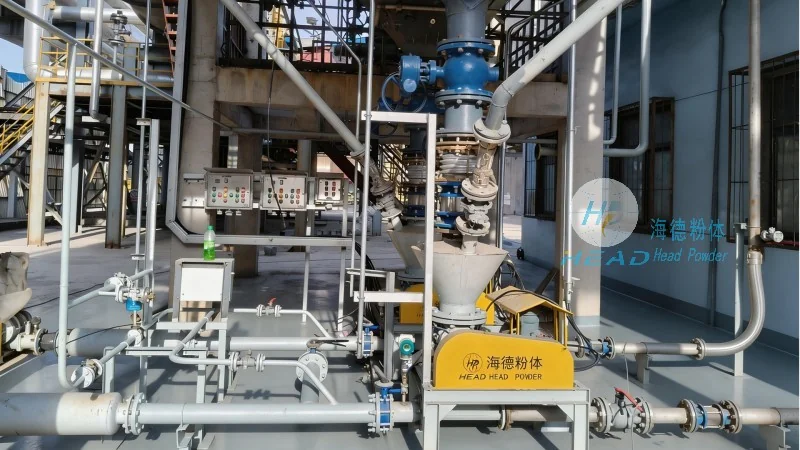
The primary function of a monosodium glutamate material pneumatic conveying machine is to transport granular or powdered MSG through a sealed system using compressed air. This method is particularly suitable for MSG due to its hygroscopic nature, as it prevents moisture absorption and maintains the material's integrity. The application of these machines in food processing plants includes transferring raw MSG from silos to mixing units, moving finished products to packaging stations, and even handling waste or byproducts in a controlled manner.
Design Principles of Pneumatic Conveying Systems for MSG
The design of a pneumatic conveying system for MSG involves several critical principles to ensure efficiency and safety. First, the system must be constructed from materials that are resistant to corrosion and compatible with food-grade standards, such as stainless steel. This prevents contamination and ensures compliance with regulatory requirements. Second, the air flow rate and pressure are carefully calculated to maintain a consistent and controlled transport speed, avoiding product degradation or blockages. Third, the system incorporates features like filters and cyclones to separate air from the material, ensuring clean air is recirculated and the product remains pure.
Key Components and Their Roles
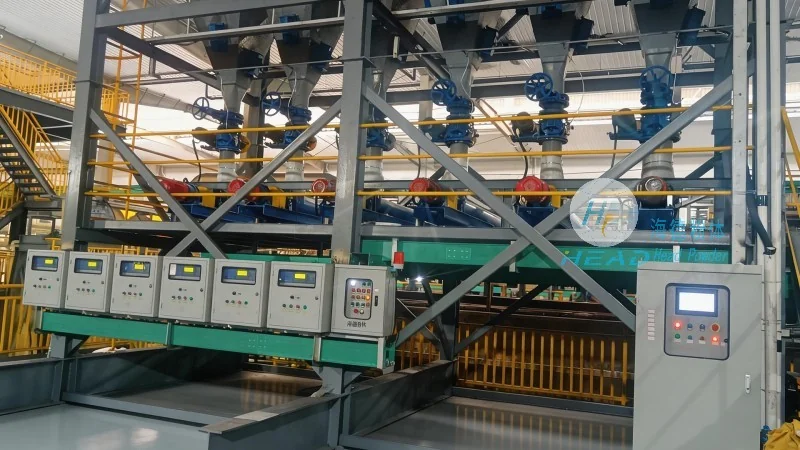
Several key components make up a monosodium glutamate pneumatic conveying machine. The hopper or silo serves as the storage container, holding the MSG and feeding it into the system. The feeder, typically a rotary valve or screw conveyor, regulates the flow of material into the pipeline. The pipeline itself is designed with smooth, rounded transitions to minimize friction and prevent material buildup. The air compressor provides the necessary pressure to move the material, while the filter and cyclone separate the air from the product. Finally, the discharge unit, such as a rotary valve or bagging machine, releases the MSG at the destination point.
Advantages of Using Pneumatic Conveying for MSG Handling
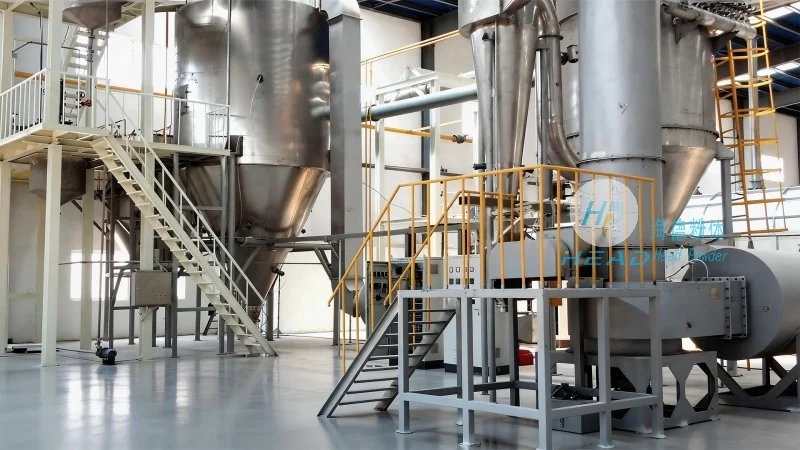
Compared to traditional methods like belt conveyors or bucket elevators, pneumatic conveying offers several advantages for handling MSG. These include reduced labor costs, as the system operates automatically with minimal human intervention. It also minimizes product contamination, as the material is enclosed in a sealed system, preventing exposure to dust, moisture, or other contaminants. Additionally, pneumatic conveying systems are more flexible, allowing for changes in the layout of the processing plant without major modifications. The hygienic design of these machines also simplifies cleaning and maintenance, ensuring compliance with food safety regulations.
HeadPowder's Expertise in Engineering Solutions
Shandong HeadPowder Engineering Co., Ltd., a leading manufacturer in the field, specializes in designing and manufacturing pneumatic conveying systems tailored to the specific needs of the food industry. With years of experience, HeadPowder understands the unique challenges of handling MSG, such as its hygroscopic properties and the need for strict hygiene standards. The company's engineers work closely with clients to develop customized solutions that optimize material flow, reduce downtime, and enhance overall operational efficiency. HeadPowder's commitment to quality and innovation ensures that their pneumatic conveying machines meet the highest industry standards, providing reliable and effective solutions for food processing facilities worldwide.