

What is a Nitrile Rubber Material Pneumatic Conveying System? And What Are Its Design Principles?
For industries dealing with nitrile rubber, the efficient and reliable transport of this material is crucial. A pneumatic conveying system, specifically designed for nitrile rubber, offers a solution that minimizes material degradation, ensures a clean process, and enhances overall operational efficiency. This article explores what a nitrile rubber material pneumatic conveying system is and delves into its core design principles.
What Is a Nitrile Rubber Material Pneumatic Conveying System?
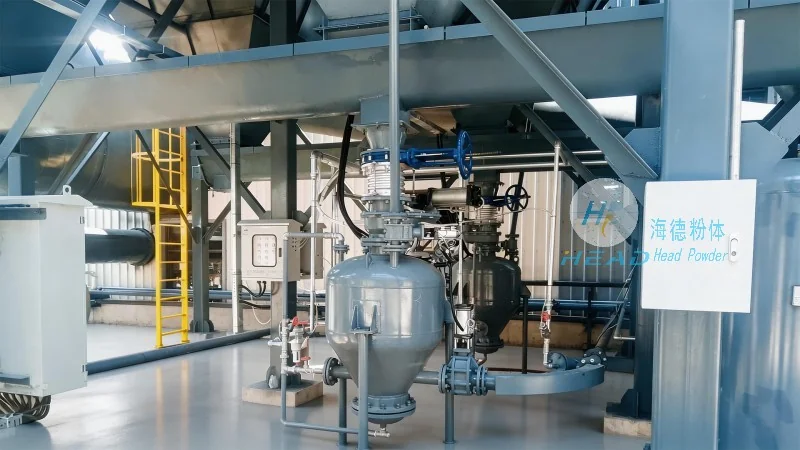
A nitrile rubber material pneumatic conveying system is a type of equipment used to transport nitrile rubber particles or granules through a pipeline using compressed air or other gas. Unlike traditional mechanical conveyors, which rely on belts or screws, pneumatic systems use air pressure to move the material, making them ideal for handling materials that are sensitive to friction or contamination. The system typically consists of a hopper, a blower or compressor, a pipeline network, and a receiver or discharge point. The nitrile rubber is fed into the hopper, and as air is introduced, it creates a flow that carries the material through the system, delivering it to the desired location.
Key Components of the System
Each component of a nitrile rubber pneumatic conveying system plays a vital role in its operation. The hopper is where the nitrile rubber is stored and fed into the system. It is designed to handle the material's properties, such as its density and flow characteristics. The blower or compressor provides the necessary air pressure to generate the conveying air stream. The pipeline network connects the hopper to the discharge point and may include bends, elbows, and other fittings to guide the material along the path. The receiver or discharge point is where the nitrile rubber is collected after being transported through the system. These components work together to ensure a smooth and consistent flow of material.
Design Principles for Nitrile Rubber Pneumatic Conveying
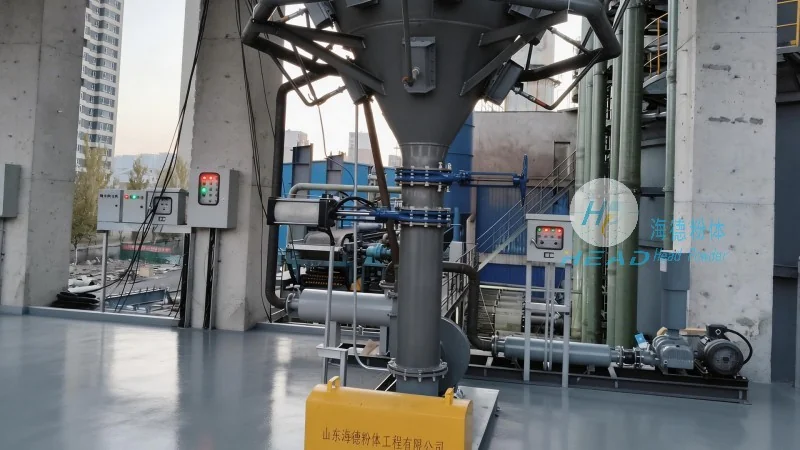
The design of a nitrile rubber material pneumatic conveying system is based on several key principles to ensure optimal performance and material integrity. The first principle is the selection of appropriate air velocity. The air velocity must be high enough to overcome the gravitational force of the nitrile rubber particles and to prevent them from settling in the pipeline. However, it must not be too high, as this can cause excessive wear on the system components and increase energy consumption. The optimal air velocity is determined by the size, shape, and density of the nitrile rubber particles, as well as the pipeline diameter and length.
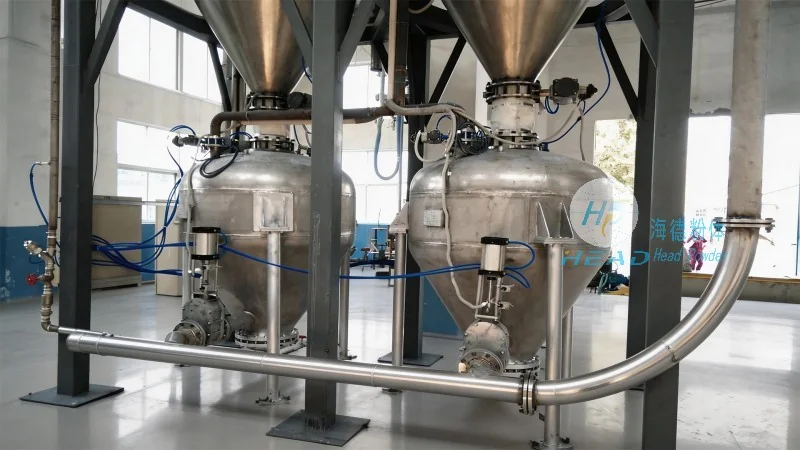
The second principle is the use of appropriate pipeline materials. Since nitrile rubber is a chemical that can be sensitive to certain materials, the pipeline must be made of materials that are compatible with it, such as stainless steel or specialized plastics. These materials prevent corrosion and ensure that the nitrile rubber does not react with the pipeline surface, which could lead to contamination or degradation. The pipeline design also considers the need for smooth surfaces to minimize friction and reduce the risk of material buildup.
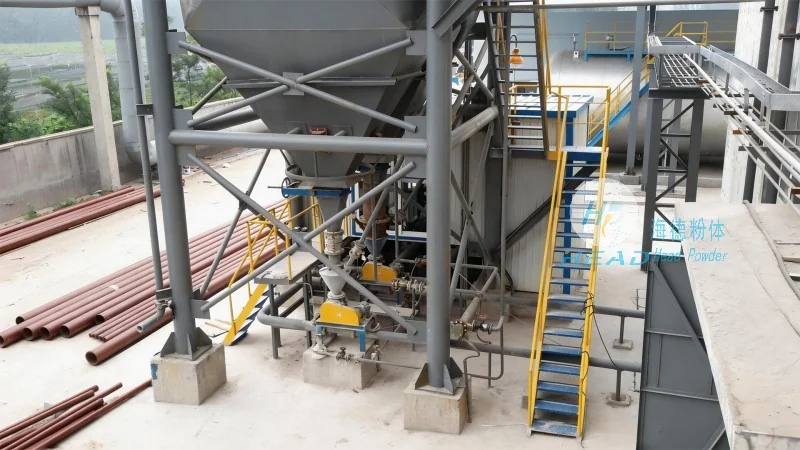
The third principle is the consideration of system pressure. The pressure in the pneumatic conveying system is carefully controlled to maintain the desired air velocity and to prevent the nitrile rubber from clogging the pipeline. The pressure is typically maintained at a level that is sufficient to move the material but not so high that it causes excessive wear or energy waste. The system may include pressure relief valves and other safety features to protect against overpressure situations.
Benefits of Using a Nitrile Rubber Pneumatic Conveying System
Implementing a nitrile rubber material pneumatic conveying system offers several advantages for industrial applications. First, it provides a clean and hygienic method of material transport, as the system is enclosed and prevents contamination from external sources. This is particularly important for nitrile rubber, which is often used in applications where purity is critical, such as in the manufacturing of seals and gaskets. Second, the system reduces material handling time and labor costs, as it automates the transport process and eliminates the need for manual loading and unloading. Third, it minimizes material degradation, as the pneumatic system reduces friction and impact compared to mechanical conveyors, which can cause the nitrile rubber to break down or change its properties. Finally, the system offers flexibility in terms of layout, as the pipeline can be configured to follow the existing factory layout, allowing for easy integration into existing production lines.
About HeadPowder Engineering
HeadPowder Engineering, a leading manufacturer based in Shandong, China, specializes in the design and production of pneumatic conveying systems for various industrial materials, including nitrile rubber. With years of experience in the industry, the company has developed a range of high-quality systems that meet the specific needs of different applications. The company's commitment to quality and customer satisfaction has made it a trusted partner for many businesses in the rubber and plastic industries. HeadPowder Engineering's systems are designed to be reliable, efficient, and durable, ensuring that they provide long-term value to their customers.