

What is a Lightweight Aggregate Material Pneumatic Conveying Machine? What are its Design Principles
Lightweight aggregate material pneumatic conveying machines represent a specialized solution in material handling technology, designed to efficiently transport lightweight aggregates such as expanded perlite, vermiculite, and other similar materials. These machines utilize pneumatic conveying principles to move bulk materials through a closed system, ensuring minimal dust generation and precise control over material flow. Understanding the core functionality and design principles of such equipment is crucial for industries relying on these materials, as it directly impacts operational efficiency and safety.
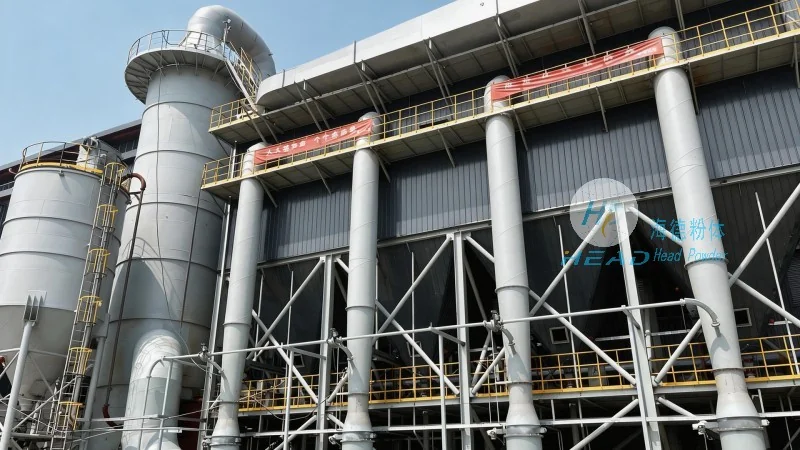
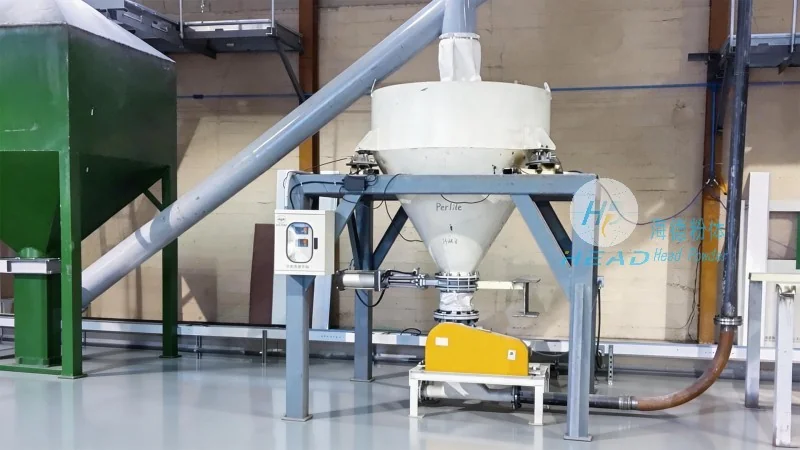
Understanding the Core Functionality of Lightweight Aggregate Pneumatic Conveyors
At its essence, a lightweight aggregate material pneumatic conveying machine operates by creating a pressure differential within a sealed pipeline system. The process typically involves a blower or compressor that generates airflow, which then draws or pushes the lightweight aggregate particles through the pipeline. The machine is engineered to handle materials with low bulk density, which can be challenging for traditional mechanical conveyors due to their tendency to settle or clog. By leveraging air as the conveying medium, these systems achieve smooth, continuous material transport without the need for mechanical components like belts or buckets that might be prone to wear or failure in handling lightweight, friable materials.
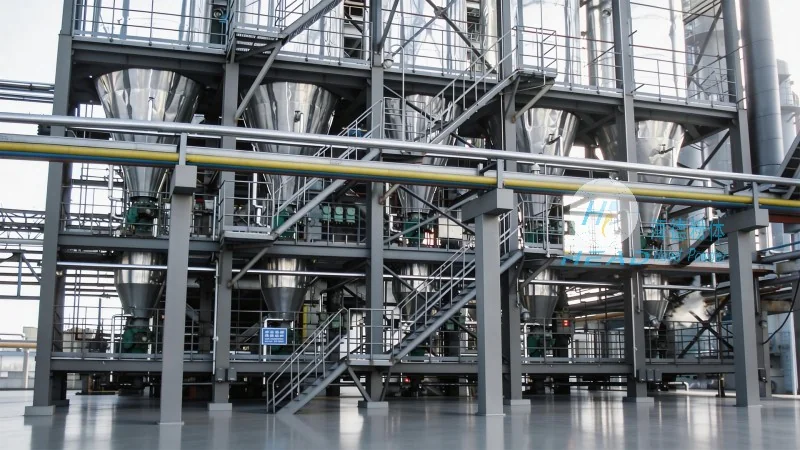
Key Design Principles Behind Pneumatic Conveying Systems
The design of a lightweight aggregate pneumatic conveying machine is guided by several critical principles to ensure optimal performance and reliability. First, the system must be capable of maintaining consistent airflow to prevent material bridging or blockages, which are common issues in conveying low-density materials. This often involves the use of specialized air valves, filters, and pressure regulators that maintain stable pressure and airflow rates. Second, the pipeline design is crucial; it must be constructed from materials resistant to abrasion and corrosion, as lightweight aggregates can be abrasive and may contain moisture or contaminants that could degrade standard metal pipes over time. Additionally, the system incorporates dust collection and filtration components to comply with environmental regulations and maintain air quality in the workplace. The control system, typically integrated with sensors and automation, allows for real-time monitoring of material flow rates, pressure, and air quality, enabling operators to adjust settings dynamically and prevent system failures.
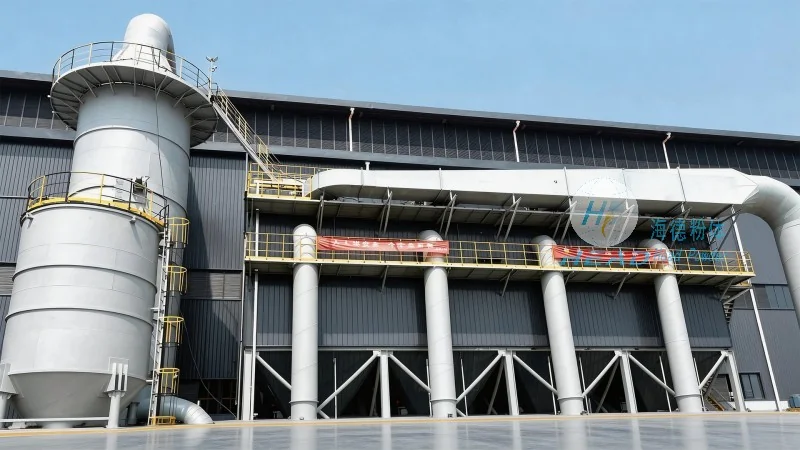
HeadPowder's Expertise in Manufacturing Pneumatic Conveying Solutions
Shandong HeadPowder Engineering Co., Ltd., based in Shandong, China, specializes in the design, manufacturing, and supply of advanced pneumatic conveying equipment tailored to the needs of the lightweight aggregate industry. With years of experience in material handling technology, HeadPowder has developed a range of solutions that address the unique challenges of transporting lightweight, low-density materials. The company's engineers work closely with clients to understand their specific operational requirements, such as material type, flow rates, and environmental constraints, to design custom conveying systems that maximize efficiency and minimize downtime. HeadPowder's products are built with high-quality materials and advanced manufacturing techniques, ensuring durability and long-term performance. The company also provides comprehensive after-sales support, including maintenance services and technical assistance, to ensure that clients can operate their equipment reliably and safely.