

What is Color Masterbatch Material Handling? And What Are Its Design Principles?
Color masterbatch material handling is a critical process in the plastic and polymer industry, involving the efficient and reliable transportation of color masterbatch from storage to processing equipment. Understanding the design principles behind these systems is essential for optimizing production efficiency, maintaining product quality, and ensuring safe operation. This article explores the key aspects of color masterbatch material handling, including the underlying design principles and practical considerations for implementation.
Introduction to Color Masterbatch Material Handling
Color masterbatch is a concentrated form of pigment or dye used to impart color to plastics during the manufacturing process. Its handling requires specialized equipment and systems to ensure that the masterbatch is transferred without degradation, contamination, or loss of color intensity. The design of material handling systems for color masterbatch must address several challenges, including the variability of masterbatch properties, the need for precise dosing, and the requirement for clean, dust-free environments. A well-designed system not only improves operational efficiency but also protects the integrity of the color masterbatch, which is crucial for achieving consistent color in the final product.
About Shandong HeadPowder Engineering Co., Ltd.
Shandong HeadPowder Engineering Co., Ltd., commonly known as HeadPowder, is a leading provider of material handling solutions tailored for the color masterbatch industry. With a focus on innovation and customer-centric design, HeadPowder specializes in developing and manufacturing equipment that meets the unique demands of color masterbatch processing. The company’s headquarters is located in Shandong, China, where it leverages advanced engineering capabilities and years of industry experience to deliver high-quality solutions. HeadPowder’s expertise spans the entire material handling process, from bulk storage and feeding to precise dosing and integration with extrusion lines. By partnering with HeadPowder, manufacturers can enhance their production capabilities and achieve greater control over color consistency and product quality.
Design Principles for Color Masterbatch Material Handling Systems
The design of a color masterbatch material handling system is governed by several fundamental principles aimed at ensuring efficiency, reliability, and product integrity. The first principle is the selection of appropriate equipment based on the physical properties of the masterbatch, such as particle size, bulk density, and flowability. For example, materials with good flow characteristics may be handled using screw conveyors or rotary valves, while cohesive or fine powders may require pneumatic conveying systems or special feeding mechanisms. The choice of equipment directly impacts the system’s performance, as improper selection can lead to blockages, uneven flow, or product degradation.
Another critical design principle is the implementation of clean and dust-free environments. Color masterbatch is highly sensitive to contamination, and any foreign particles or moisture can alter its color properties or affect the final product. Therefore, material handling systems must incorporate features like sealed hoppers, air filtration, and dust collection to maintain a clean processing environment. Additionally, the system design should minimize the risk of cross-contamination between different color batches, which is essential for maintaining color consistency across production runs. This often involves the use of color-coded components, separate storage areas, and automated batching systems.
Precision dosing is a third key design principle, as accurate measurement of color masterbatch is vital for achieving the desired color intensity and avoiding over or under-dosing. Many systems use gravimetric feeders or volumetric screw feeders to control the flow rate of the masterbatch. Gravimetric feeders, in particular, offer high accuracy and are ideal for applications where color consistency is critical. These feeders weigh the material as it is being fed, allowing for real-time adjustments to maintain the target dosage. The integration of these dosing systems with the main processing equipment, such as extruders or injection molding machines, ensures that the color masterbatch is introduced at the precise moment and in the correct quantity, minimizing waste and improving product quality.
Control and automation are also integral design principles in modern material handling systems. Advanced control systems allow operators to monitor and adjust the flow rate, pressure, and other parameters in real time, ensuring optimal performance. Automation reduces the need for manual intervention, which not only improves efficiency but also minimizes the risk of human error. For example, automated batching systems can be programmed to mix different color masterbatches in specific ratios, while sensors can detect blockages or other issues and trigger alerts or corrective actions. The use of programmable logic controllers (PLCs) and other automation technologies enables seamless integration with existing production lines, enhancing overall operational flexibility.
Key Components of a Color Masterbatch Material Handling System
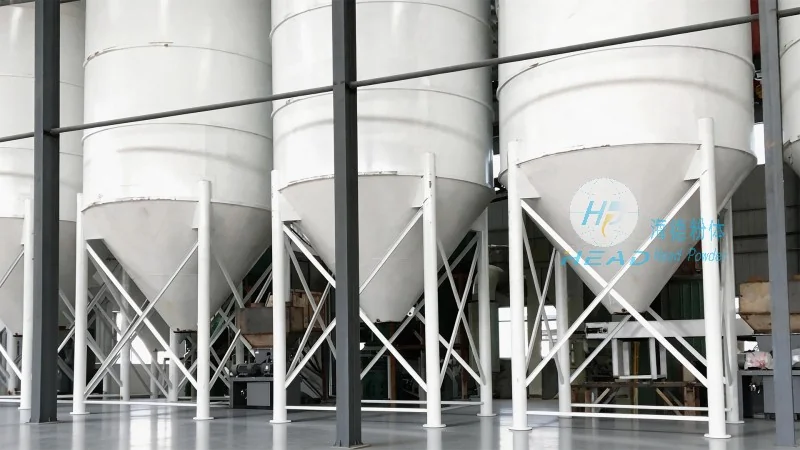
A typical color masterbatch material handling system consists of several interconnected components, each playing a crucial role in the overall process. The primary components include bulk storage hoppers, feeding equipment, conveying systems, dosing mechanisms, and control panels. Bulk storage hoppers are used to store large quantities of color masterbatch, often with a capacity ranging from several hundred kilograms to several tons. These hoppers are typically made of stainless steel or other corrosion-resistant materials to prevent contamination and ensure durability. The design of the hopper, including its shape and internal features, is optimized to promote material flow and prevent bridging or caking, which can impede the feeding process.
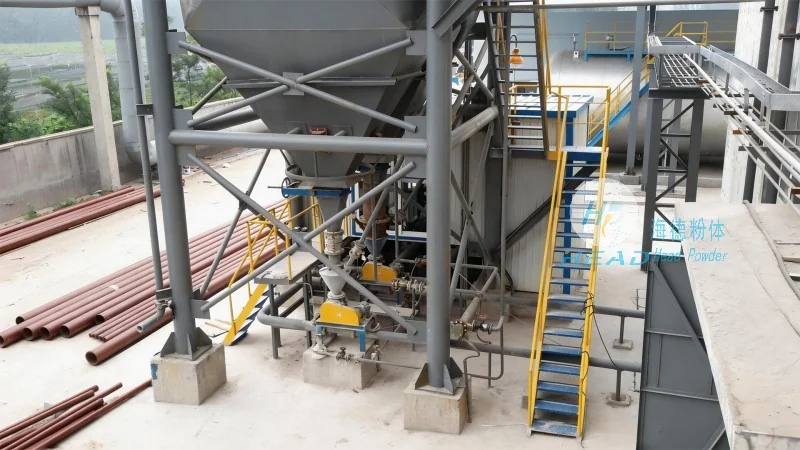
Feeding equipment, such as rotary valves or screw feeders, is responsible for transferring the masterbatch from the storage hopper to the conveying system. Rotary valves are commonly used due to their ability to provide a controlled, uniform flow of material, while screw feeders are suitable for materials with better flow characteristics. The selection of the feeding device depends on the masterbatch’s properties and the required flow rate. Properly sized and designed feeding equipment ensures that the material is delivered at a consistent rate, avoiding surges or fluctuations that could affect downstream processes.
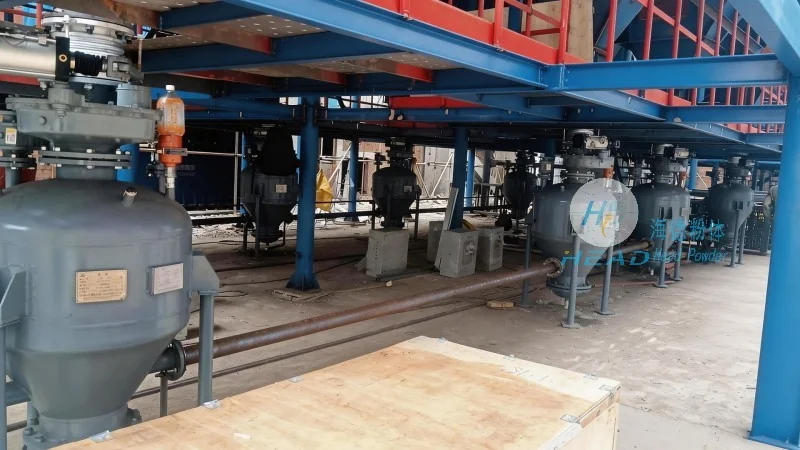
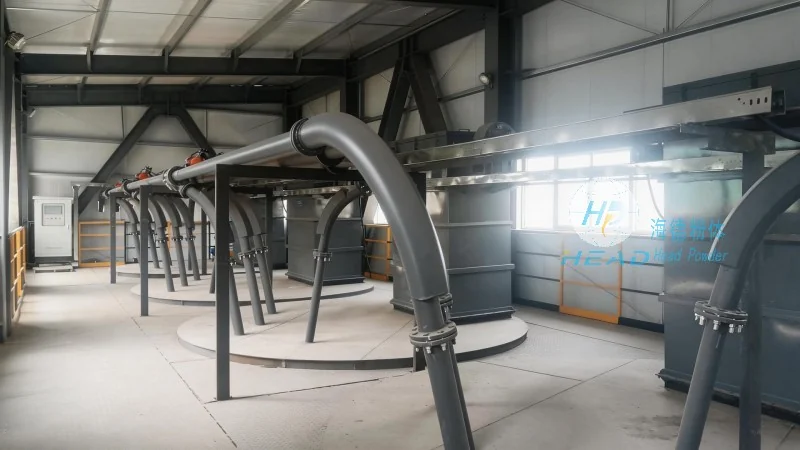
Conveying systems are used to transport the color masterbatch from the feeding point to the dosing or processing equipment. There are two main types of conveying systems: mechanical and pneumatic. Mechanical systems, such as screw conveyors or belt conveyors, use mechanical energy to move the material. Screw conveyors are widely used for horizontal or slightly inclined transport and are effective for materials with moderate flowability. Pneumatic conveying systems, on the other hand, use air pressure to transport the material through a pipeline. These systems are ideal for fine powders or materials that are difficult to handle mechanically, as they can provide gentle and efficient transport without causing particle degradation.
Dosing mechanisms are critical for controlling the amount of color masterbatch added to the processing equipment. As mentioned earlier, gravimetric feeders are commonly used for precise dosing. These feeders consist of a hopper, a load cell, and a control system. The load cell measures the weight of the material as it is fed, and the control system adjusts the feed rate to maintain the target weight. This ensures that the exact amount of color masterbatch is added, regardless of variations in material density or flow rate. Other dosing options include volumetric screw feeders, which measure the volume of material and adjust the feed rate accordingly, though they may have slightly lower accuracy than gravimetric systems.
Control panels and automation systems are essential for managing the entire material handling process. These systems allow operators to monitor the flow rate, pressure, and other parameters in real time and make adjustments as needed. Modern control panels often include digital displays, touchscreens, and user-friendly interfaces, making it easy to operate and maintain the system. The integration of sensors and feedback loops enables the system to self-adjust, improving efficiency and reducing downtime. For example, a sensor can detect a blockage in the conveying line and automatically stop the feeding process, preventing material from being wasted or the equipment from being damaged.
Challenges and Solutions in Color Masterbatch Material Handling
Despite the advancements in material handling technology, several challenges remain in the color masterbatch industry. One of the primary challenges is the variability of masterbatch properties, which can affect the performance of the handling system. For instance, some masterbatches may have high moisture content or be prone to caking, making them difficult to feed. To address this, manufacturers may use pre-drying or conditioning steps before handling, or select equipment specifically designed for cohesive materials. Another challenge is the risk of cross-contamination between different color batches, which can lead to color variations in the final product. This is mitigated through the use of dedicated storage and handling equipment, as well as strict operational procedures.
Another challenge is the need for high precision and consistency, especially in applications where color accuracy is critical, such as in the automotive or medical industries. To meet these requirements, advanced dosing and control systems are necessary. Gravimetric feeders and automated batching systems are commonly used to ensure that the color masterbatch is added with minimal variation. Additionally, regular calibration and maintenance of the equipment are essential to maintain accuracy over time.
Energy efficiency is also a consideration in material handling systems. Many systems consume significant amounts of energy, particularly pneumatic conveying systems, which can be costly to operate. To address this, manufacturers are developing more energy-efficient designs, such as using variable frequency drives (VFDs) to control the speed of conveying equipment and reduce energy consumption. Additionally, optimizing the system design to minimize the length of conveying lines or the number of bends can reduce energy usage and improve overall efficiency.