HeadPowder, a leading manufacturer based in Shandong, China, specializes in advanced material handling solutions tailored for the lithium-ion battery industry. This article provides a detailed exploration of the operation process and working principle of pneumatic conveying systems specifically designed for anode material powders, which are crucial components in modern battery production. The focus is on understanding how these systems efficiently transport fine powders, ensuring precision and reliability in the manufacturing workflow.
Key Components of Pneumatic Conveying Systems
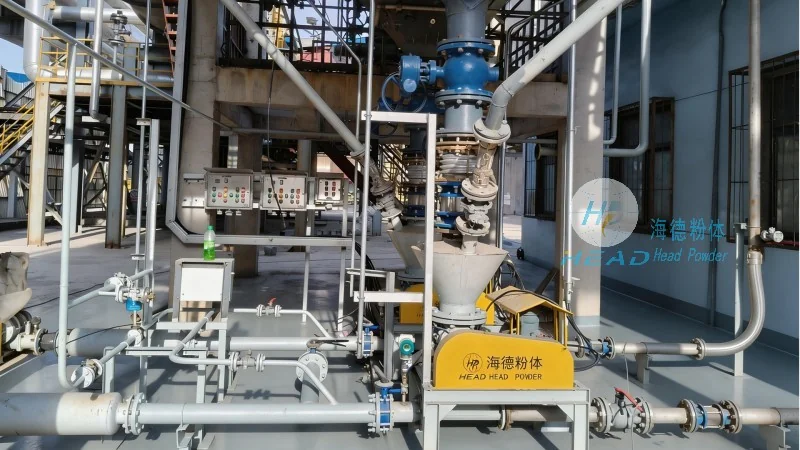
The pneumatic conveying system for lithium-ion battery anode material powders consists of several core components that work in tandem to achieve effective material transport. These include the hopper or feed hopper, which holds the anode powder; the air compressor or blower that generates the necessary airflow; the conveying line (often a flexible or rigid pipe) that transports the powder; and the receiver or discharge hopper where the material is deposited. Each component plays a vital role in maintaining the system's efficiency and preventing material degradation or blockages.
Working Principle of Pneumatic Conveying
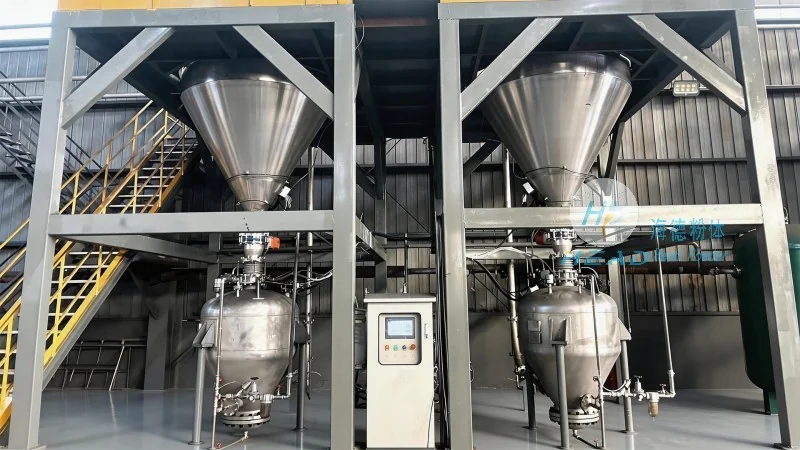
The fundamental principle of pneumatic conveying is the use of compressed air to move particulate materials through a pipeline. In the case of anode material powders, the process begins with the powder being fed from the hopper into the conveying line. The air compressor then supplies a controlled volume of air, creating a pressure differential that propels the powder particles forward. The velocity of the air and the particle size, density, and flow characteristics of the anode material determine the optimal conveying velocity to prevent particle segregation or agglomeration. The system typically operates under either positive pressure (where air pushes the material) or negative pressure (where air pulls the material), with positive pressure being more common for anode material transport due to its ability to handle fine powders and minimize dust emissions.
Operation Process of the System
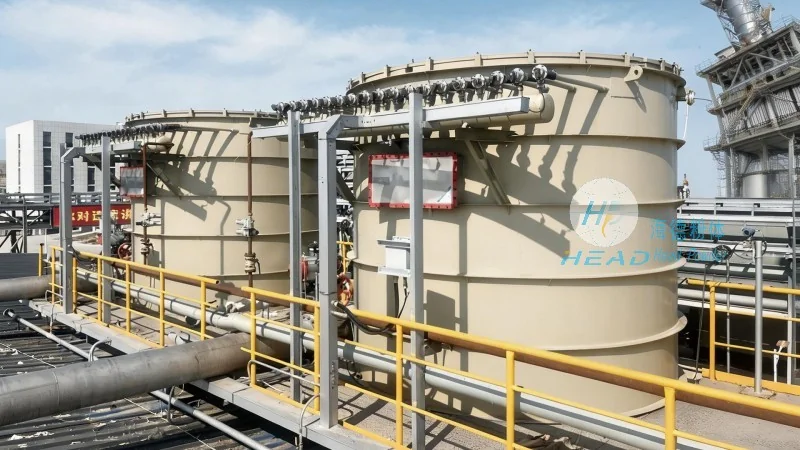
The operation process of a pneumatic conveying system for anode materials involves several sequential steps. First, the anode powder is loaded into the feed hopper, ensuring a consistent and controlled feed rate. The system then activates the air compressor, which starts generating the required airflow. As the air flows through the conveying line, it entrains the powder particles, forming a slurry-like mixture that moves towards the receiver. The receiver is designed to separate the powder from the air, often using cyclone separators or filters, and deposits the material into a storage or processing container. The system continuously monitors parameters such as air pressure, flow rate, and material level to maintain stable operation and prevent system failures. Regular maintenance, including cleaning of the conveying line and replacement of filters, is essential to ensure long-term performance and prevent material buildup that could lead to blockages or reduced efficiency.
Benefits and Applications in Lithium-Ion Battery Manufacturing
Pneumatic conveying systems offer several advantages when handling lithium-ion battery anode material powders. These include high efficiency in transporting fine powders over long distances, reduced risk of dust contamination compared to mechanical conveying methods, and the ability to handle materials with varying particle sizes and moisture content. The systems are particularly useful in battery production lines where precise control over material flow is critical, such as in the mixing and coating stages of anode preparation. By using pneumatic conveying, manufacturers can improve production throughput, minimize material loss, and enhance overall process reliability. HeadPowder's expertise in designing and manufacturing these systems ensures that clients receive tailored solutions that meet their specific production requirements and industry standards.
Conclusion
In conclusion, the pneumatic conveying system for lithium-ion battery anode material powders is a sophisticated and efficient solution for material handling in the battery manufacturing industry. By understanding the operation process and working principle, manufacturers can optimize their production lines, improve product quality, and enhance operational efficiency. HeadPowder, with its headquarters in Shandong, China, continues to lead in providing advanced material handling technologies that support the growing demand for lithium-ion batteries worldwide. The company's commitment to innovation and quality ensures that clients receive reliable and effective solutions for their anode material transport needs.




