

Operation Process and Working Principle of Pea Pneumatic Conveying System
Shandong HeadPowder Engineering Co., Ltd., commonly known as headpowder, is a leading manufacturer and supplier of pneumatic conveying systems, specializing in solutions for the agricultural and food processing industries. With a strong presence in Shandong, China, the company has built a reputation for delivering high-quality, reliable equipment tailored to the unique requirements of transporting pea products. Their pea pneumatic conveying systems are engineered to enhance efficiency, reduce labor costs, and maintain product integrity throughout the conveying process.
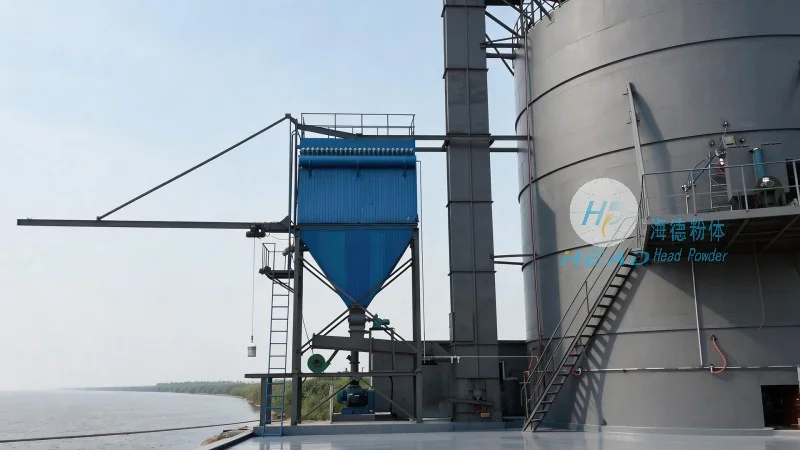
Overview of Pea Pneumatic Conveying Systems
A pea pneumatic conveying system is a sophisticated piece of equipment designed to transport pea products using compressed air. Unlike traditional mechanical conveyors, which rely on physical contact and movement, this system utilizes air pressure to move the peas through a sealed pipeline. The system is composed of several critical components, including a hopper for storing the peas, a rotary airlock valve to control the feed rate, a conveying line (often made of stainless steel or food-grade plastic), and a receiver to collect the transported peas. Each component is carefully designed to ensure smooth operation and minimal product degradation.
Key Components and Their Functions
The hopper serves as the storage and feeding unit for the peas. It is typically equipped with a lid to prevent contamination and a discharge mechanism to regulate the flow of peas into the system. The rotary airlock valve, located at the bottom of the hopper, acts as a gate to control the amount of peas entering the conveying line. This valve ensures a consistent and controlled feed rate, preventing overloading or underloading of the system. The conveying line is the main pathway for the peas and air, and it is designed to withstand the pressure and friction of the transport process. The receiver, at the end of the line, collects the peas and may include features like a dust filter to maintain air quality and prevent product contamination.
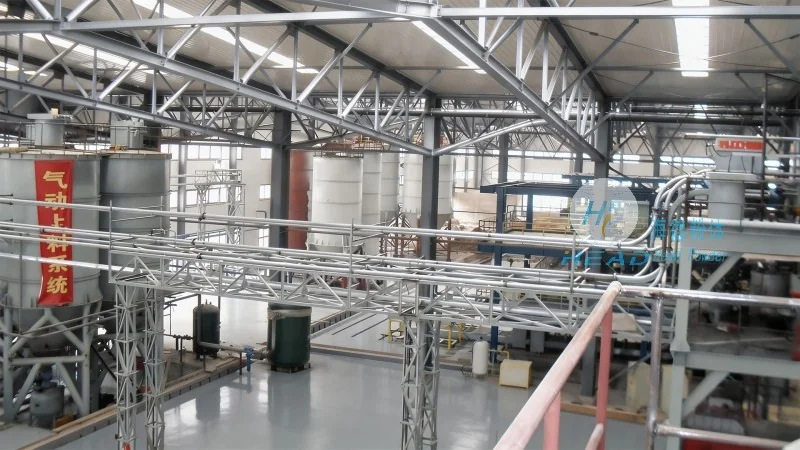
Working Principle Explained
The core of the pea pneumatic conveying system's operation is based on the principle of air flow and pressure differential. When the system is activated, compressed air is introduced into the hopper, creating a negative pressure inside the conveying line. This pressure difference causes the peas to be drawn into the line by the moving air. The air flows through the line at a high velocity, carrying the peas along with it. The system maintains a consistent pressure and flow rate to ensure the peas are transported efficiently and without damage. The rotary valve at the hopper controls the flow of peas, ensuring that only a controlled amount enters the line at any given time. This control mechanism prevents clogging and ensures smooth operation.
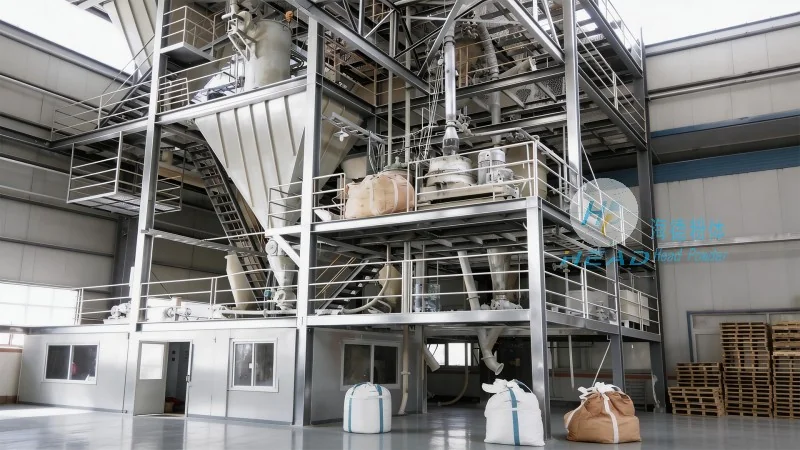
Step-by-Step Operation Process
The operation of a pea pneumatic conveying system follows a systematic process. First, the peas are loaded into the hopper. The rotary airlock valve then regulates the flow of peas into the conveying line. Compressed air is supplied to the system, creating the necessary pressure differential to move the peas. As the air flows through the line, it carries the peas along, ensuring they are transported to the receiver. The control panel, which may be integrated into the system or a separate unit, allows operators to monitor and adjust the flow rate, pressure, and other parameters. This monitoring ensures that the system operates within optimal conditions, maximizing efficiency and minimizing energy consumption. The receiver collects the peas and may be equipped with a discharge mechanism to transfer the product to the next stage of processing, such as cleaning, sorting, or packaging.
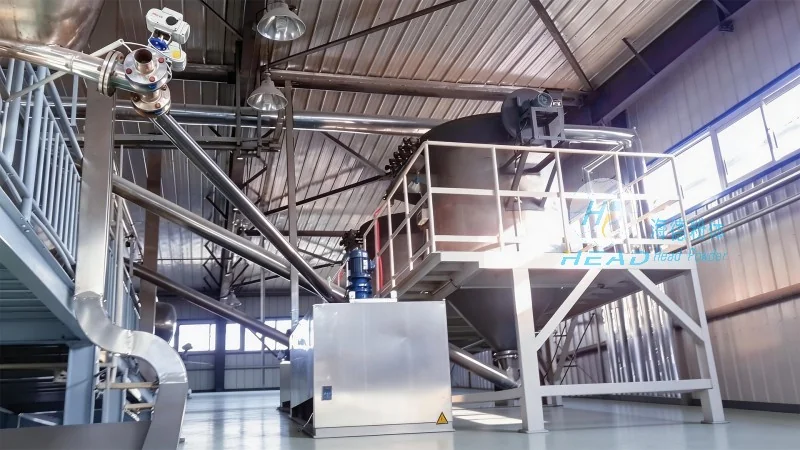
Advantages of Using a Pea Pneumatic Conveying System
Implementing a pea pneumatic conveying system offers several advantages over traditional conveying methods. First, it eliminates the need for physical contact between the peas and the conveyor, reducing the risk of product damage and contamination. The sealed system also prevents dust and debris from entering the product, maintaining high standards of hygiene and quality. Additionally, pneumatic conveying systems are more flexible and can be easily integrated into existing production lines, allowing for changes in layout or capacity without major modifications. The system's ability to transport peas over long distances with minimal labor and maintenance makes it a cost-effective solution for large-scale operations. Finally, the system's efficiency in handling bulk materials reduces downtime and increases overall productivity, contributing to higher profitability for the business.
Conclusion
Shandong HeadPowder Engineering Co., Ltd. provides reliable and efficient pea pneumatic conveying systems that are tailored to the specific needs of the agricultural and food processing industries. By leveraging advanced technology and years of experience, the company ensures that their systems operate smoothly, maintain product quality, and enhance overall operational efficiency. Whether for small-scale or large-scale operations, the pea pneumatic conveying system from headpowder is a superior choice for transporting pea products with precision and reliability.