

Cotton Seed Pneumatic Conveying Technology Analysis: Comparison of Positive and Negative Pressure Mo
Efficient and reliable material handling is a critical factor in the cotton seed processing industry. Among various methods, pneumatic conveying stands out as a versatile solution for transporting cotton seeds. This article delves into the technical aspects of cotton seed pneumatic conveying, focusing on the comparison between positive pressure and negative pressure modes. By understanding the differences and advantages of each approach, industry professionals can make informed decisions to optimize their material handling systems.
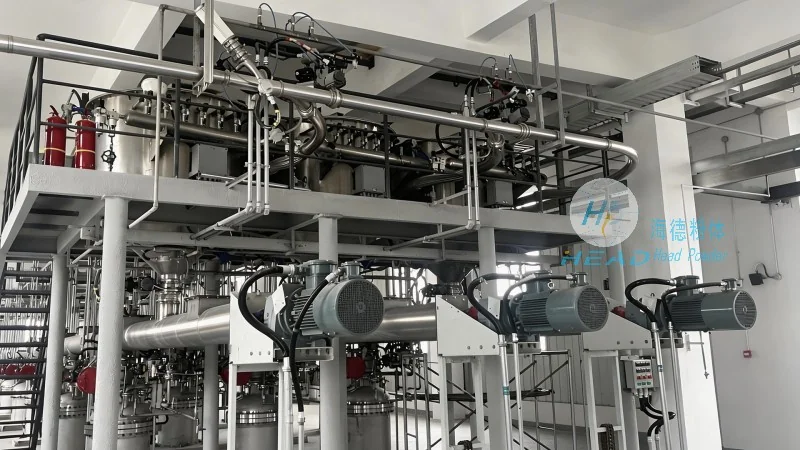
Introduction to Cotton Seed Pneumatic Conveying
Pneumatic conveying systems utilize air or gas to transport bulk materials like cotton seeds through a pipeline network. This method offers several benefits, including the ability to handle delicate materials without mechanical contact, reduce dust contamination, and achieve high transport speeds. The choice between positive and negative pressure systems depends on factors such as material characteristics, system layout, and operational requirements.
Positive Pressure Pneumatic Conveying
Positive pressure systems operate by blowing air or gas into the conveying line, creating a pressure higher than the ambient air. This method is commonly used for short to medium distance transport and is particularly effective for handling fine or dusty materials. The primary advantage of positive pressure is its ability to maintain a consistent flow rate and prevent material degradation due to low pressure conditions. However, it may require more robust equipment and higher energy consumption compared to negative pressure systems.
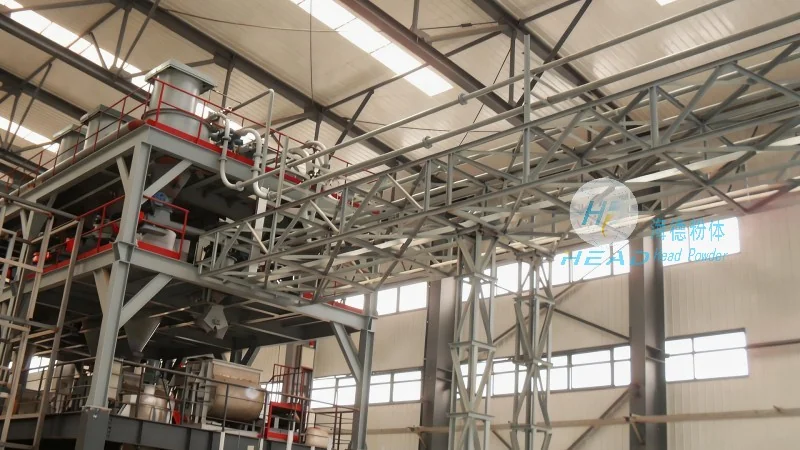
Negative Pressure Pneumatic Conveying
Negative pressure systems, also known as vacuum systems, operate by creating a vacuum in the conveying line, drawing material into the pipeline. This approach is ideal for long-distance transport and is often used when the material source is at a higher elevation than the destination. The key benefits of negative pressure include lower energy consumption and reduced noise levels, as the system does not require high-pressure air. Nevertheless, it may be less suitable for handling abrasive or high-density materials due to the risk of blockages and increased wear on components.
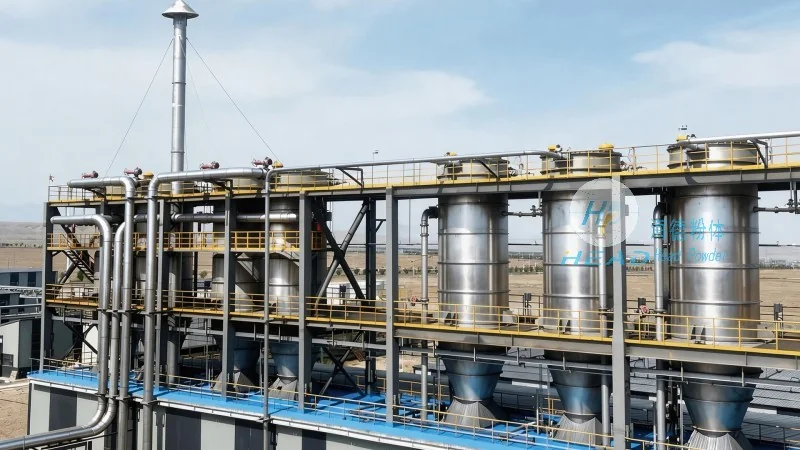
Key Considerations for Choosing Between Modes
When selecting a pneumatic conveying mode for cotton seed applications, several factors must be evaluated. The first consideration is the distance between the source and destination. Positive pressure is generally preferred for shorter distances, while negative pressure is more efficient for longer runs. Material characteristics, such as particle size, moisture content, and density, also play a crucial role. For example, fine cotton seeds may require a negative pressure system to prevent dust dispersion, whereas larger seeds might benefit from positive pressure due to better flow control. Additionally, the layout of the processing facility and existing infrastructure should be considered, as both systems can be integrated into existing pipelines with proper design.
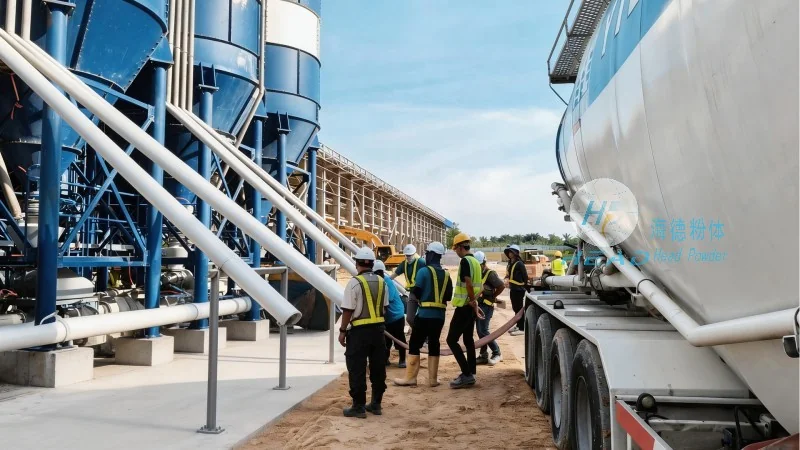
HeadPowder's Expertise in Cotton Seed Pneumatic Conveying
Shandong HeadPowder Engineering Co., Ltd., a leading provider of material handling solutions, specializes in designing and manufacturing customized pneumatic conveying systems for the cotton seed industry. With years of experience and a commitment to innovation, HeadPowder offers tailored solutions that address the unique challenges of cotton seed processing. The company's engineering team leverages advanced technology and industry best practices to ensure optimal performance and reliability. By partnering with HeadPowder, cotton seed processors can enhance their operational efficiency, reduce maintenance costs, and improve overall productivity.
Conclusion
In conclusion, the choice between positive and negative pressure pneumatic conveying systems for cotton seeds depends on a range of technical and operational factors. Positive pressure systems excel in short-distance, high-flow applications, while negative pressure systems are better suited for long-distance transport. Understanding the characteristics of each mode and aligning them with specific processing needs is essential for achieving efficient material handling. As a trusted partner in the industry, Shandong HeadPowder Engineering Co., Ltd. provides expert guidance and high-quality solutions to help cotton seed processors optimize their operations and stay competitive in the market.