

What Are Hexanedioic Acid Material Handling Equipment? And What Are Their Design Principles?
Hexanedioic acid, commonly known as adipic acid, is a critical chemical intermediate widely used in the production of polymers, especially nylon. The efficient and safe handling of this chemical requires specialized material handling equipment designed to meet its unique properties and industrial processing demands. This article explores the types of equipment used for transporting and managing hexanedioic acid, alongside an explanation of the key design principles that ensure optimal performance and safety.
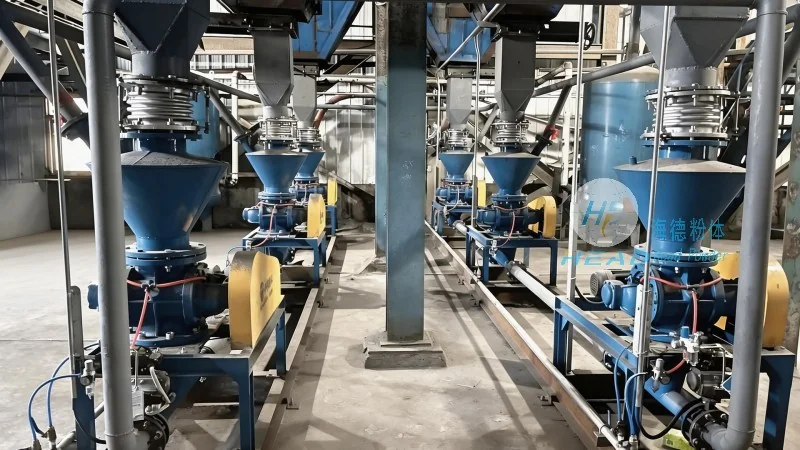
HeadPowder: A Leading Provider of Material Handling Solutions
Shandong HeadPowder Engineering Co., Ltd., operating under the brand name HeadPowder, is a reputable company based in China that specializes in engineering and manufacturing high-quality material handling equipment. With a strong commitment to innovation and adherence to industry standards, HeadPowder has established itself as a trusted partner for businesses in the chemical and polymer sectors. The company’s expertise lies in designing equipment that can handle the specific challenges posed by chemicals like hexanedioic acid, ensuring reliable operation and minimal risk of contamination or accidents.
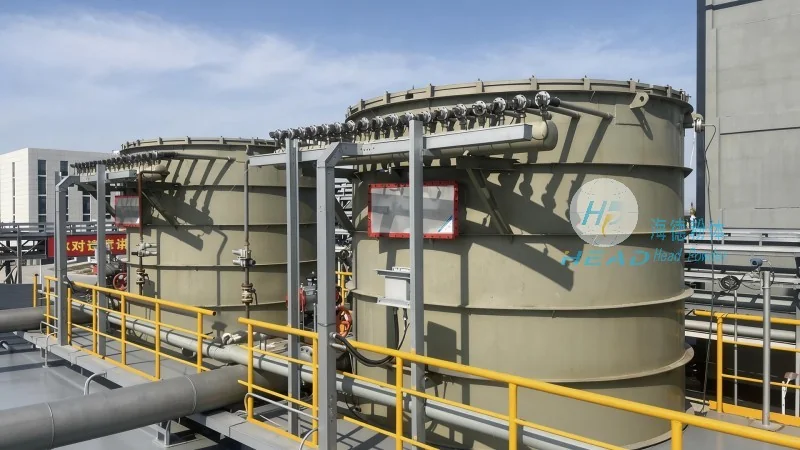
Key Design Principles for Hexanedioic Acid Material Handling Equipment
The design of hexanedioic acid material handling equipment is guided by several critical principles aimed at maintaining the integrity of the chemical, ensuring operational safety, and optimizing efficiency. First, the equipment must be constructed from materials that are resistant to corrosion and chemical attack, as hexanedioic acid can be aggressive to certain metals and polymers. Stainless steel, particularly grades like 316 or 317, is commonly used for components that come into direct contact with the acid due to its excellent corrosion resistance. Additionally, the equipment is often designed with smooth, non-porous surfaces to prevent the accumulation of residues and facilitate cleaning, which is essential for maintaining product purity and preventing cross-contamination.
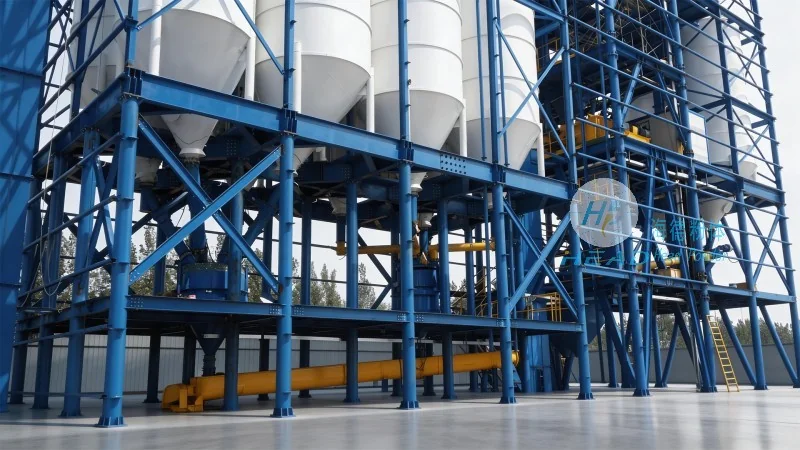
Second, the equipment must incorporate effective sealing mechanisms to prevent leaks and spills. Hexanedioic acid is a liquid at room temperature and can be hazardous if it comes into contact with skin or is inhaled. Therefore, the design includes robust gaskets, O-rings, and sealing systems that are compatible with the chemical and can withstand the operating pressures and temperatures. The use of double-seal or double-welded connections in pipelines and valves further enhances leak prevention, reducing the risk of environmental contamination and workplace exposure.
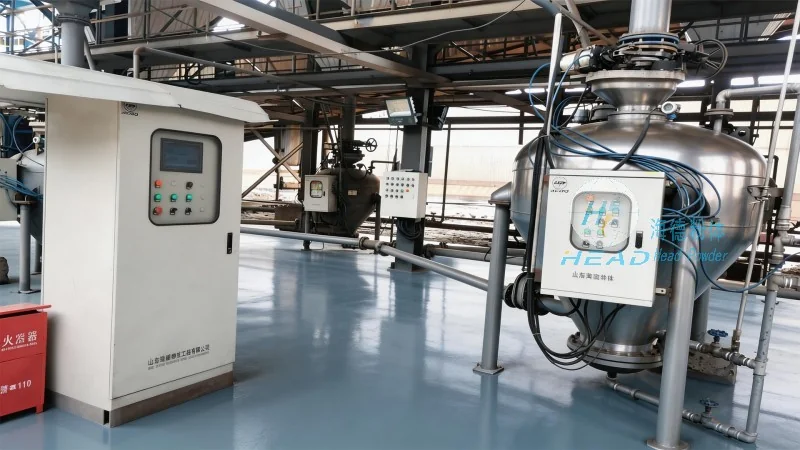
Third, the equipment is engineered for easy maintenance and cleaning. Hexanedioic acid can adhere to surfaces and form deposits, which may affect the flow rate and efficiency of the system over time. To address this, the design incorporates features such as removable liners, CIP (Clean-In-Place) systems, and smooth internal surfaces that allow for thorough cleaning without disassembly. This not only maintains the performance of the equipment but also ensures compliance with regulatory standards for chemical handling.