

What Are Magnesium Oxide Material Handling Equipment? And What Are Their Design Principles?
For industrial applications involving magnesium oxide, the efficient and reliable transport of this material is crucial. Magnesium oxide material handling equipment plays a vital role in ensuring smooth operations, especially in manufacturing processes where consistent material flow is essential. This article explores the types of equipment used for handling magnesium oxide and delves into the design principles that underpin their functionality, with a focus on solutions provided by Shandong HeadPowder Engineering Co., Ltd., a leading manufacturer in the field.
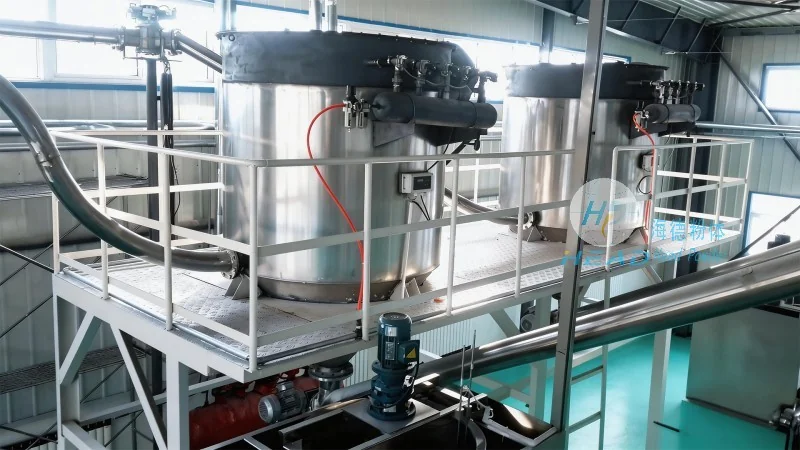
Understanding Magnesium Oxide and Its Handling Requirements
Magnesium oxide (MgO), also known as magnesia, is a white, odorless powder with high chemical stability and thermal resistance. Its properties make it a valuable additive in various industries, including refractory materials, pharmaceuticals, and construction. However, due to its fine particle size and potential dust generation, handling magnesium oxide requires specialized equipment designed to minimize contamination and ensure safety. The equipment must be capable of handling the material's bulk density, flow characteristics, and any potential reactivity with other substances in the processing environment.
Key Components of Magnesium Oxide Material Handling Equipment
The design of magnesium oxide material handling equipment typically includes several key components that work together to facilitate efficient material transport. These components may include feeders, conveyors, storage silos, and control systems. Each component is engineered to address specific challenges associated with handling magnesium oxide, such as preventing caking, maintaining consistent flow rates, and ensuring minimal product degradation.
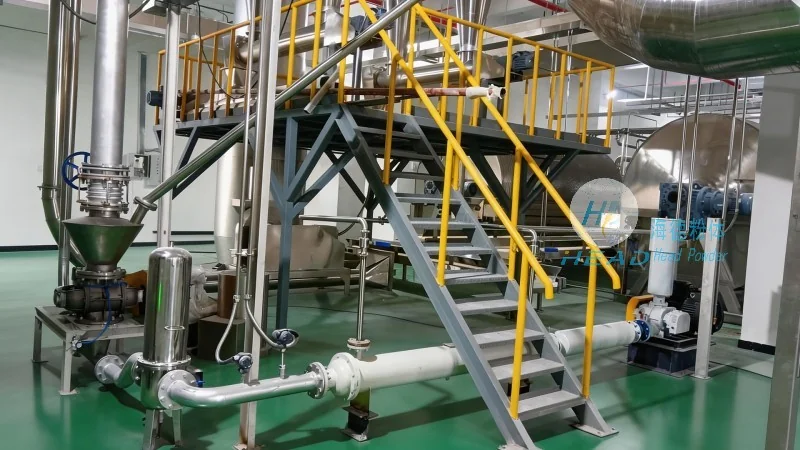
Design Principles for Magnesium Oxide Handling Equipment
The design principles for magnesium oxide material handling equipment are centered on several critical factors. First, the equipment must be constructed from materials that are resistant to the chemical properties of magnesium oxide, avoiding any reactions that could compromise the material's quality or the equipment's integrity. Second, the design should minimize the risk of dust generation and ensure proper containment to comply with occupational health and safety regulations. Third, the equipment must be capable of handling the material's flow characteristics, which can vary depending on moisture content, particle size distribution, and storage conditions. Finally, the design should prioritize operational efficiency, including low maintenance requirements and energy consumption, to reduce overall production costs.
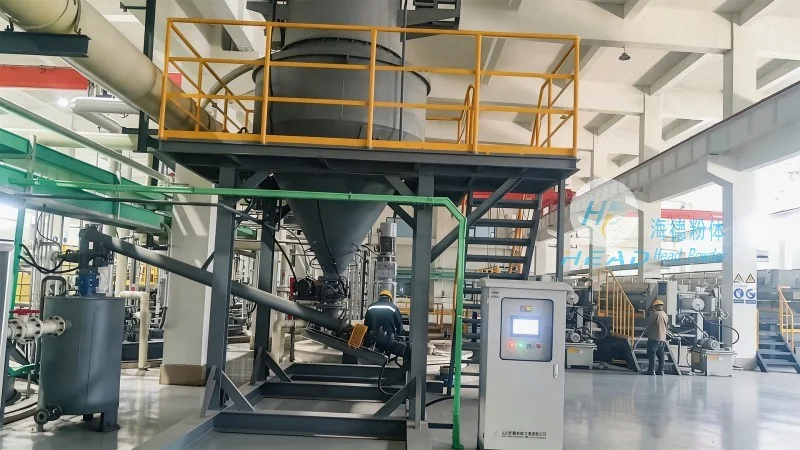
Types of Equipment Used for Magnesium Oxide Handling
Several types of equipment are commonly used for handling magnesium oxide, each suited to different operational needs. Belt conveyors are widely used for transporting magnesium oxide over short to medium distances, offering flexibility in layout and the ability to handle varying material loads. Screw conveyors are another popular choice, particularly for vertical or inclined transport, as they can effectively move the material while minimizing the risk of clogging. For larger volumes and more complex material flow requirements, pneumatic conveying systems may be employed. These systems use air or other gases to transport the material through pipelines, providing a dust-free and enclosed transport solution. Additionally, storage silos and hopper designs are critical for maintaining consistent material supply and preventing segregation or compaction during storage.
Ensuring Safety and Compliance in Magnesium Oxide Handling
Handling magnesium oxide involves specific safety considerations due to its potential dust hazards and chemical properties. The equipment must be designed with safety features such as dust collection systems, explosion-proof components, and proper ventilation to protect operators and the environment. Compliance with local regulations regarding occupational health and environmental protection is also essential. The design should incorporate measures to prevent dust accumulation, which can be a fire or explosion risk, and ensure that the material is handled in a manner that minimizes exposure to workers. Regular maintenance and inspection of the equipment are also critical to maintaining safety standards and preventing equipment failure.