

Analysis of Desulfurizer Pneumatic Conveying Technology: Comparison of Positive and Negative Pressur
Desulfurizer pneumatic conveying technology is a critical component in modern industrial processes, particularly in power plants and chemical facilities where efficient handling of desulfurization agents is essential for maintaining operational efficiency and environmental compliance. This technology involves the use of air or gas to transport solid materials like desulfurizers from one location to another, and it operates through two primary modes: positive pressure and negative pressure systems. Understanding the differences between these modes is crucial for selecting the most suitable system for specific industrial applications.
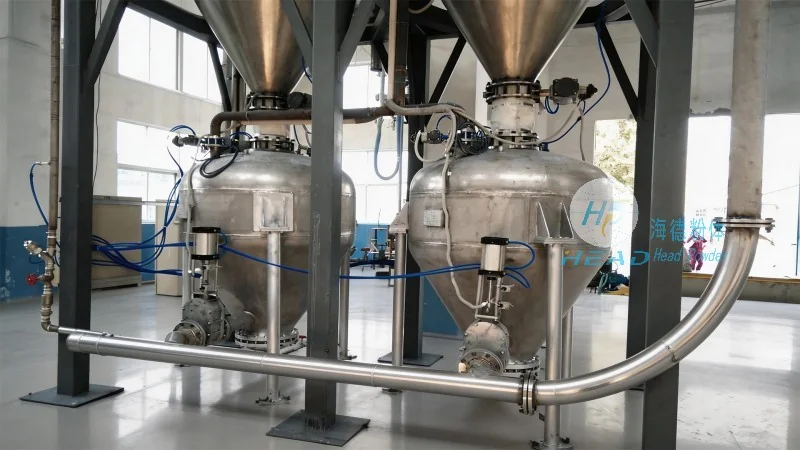
Positive Pressure Pneumatic Conveying Systems
Positive pressure systems, also known as pressure conveying systems, operate by generating high-pressure air or gas within the conveying line. This method pushes the material forward through the pipeline, ensuring a continuous and reliable flow. In a positive pressure system, the air is compressed and then introduced into the material hopper or silo, where it lifts and transports the desulfurizer particles. The key advantages of this mode include high conveying capacity, ability to handle long distances and multiple transfers, and suitability for abrasive or corrosive materials. However, positive pressure systems require robust equipment to withstand high pressures, and they may generate more noise and require more energy compared to negative pressure systems. The system typically consists of a blower, a material feeder, a conveying line, and a receiver where the desulfurizer is deposited. The air is then filtered and returned to the system, ensuring minimal air loss and environmental protection.
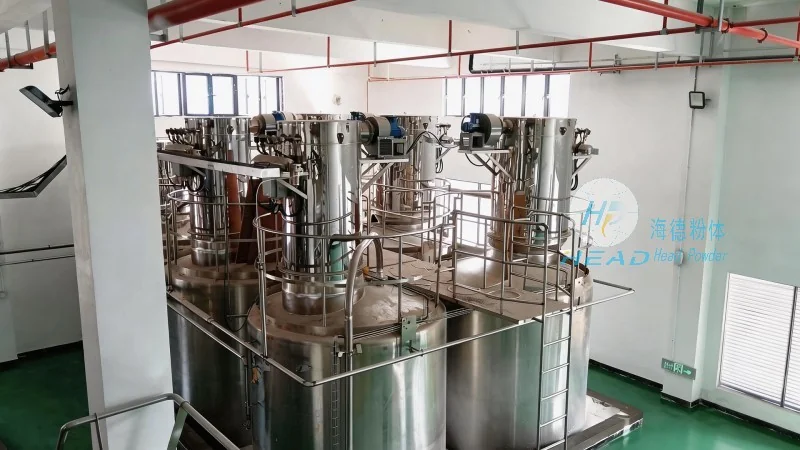
Negative Pressure Pneumatic Conveying Systems
Negative pressure systems, or vacuum conveying systems, operate by creating a low-pressure environment in the conveying line, which draws the material from the source into the system. This method is often preferred for applications where the material needs to be transported from a lower elevation or where the source is located in a confined space. The system uses a vacuum pump to create the negative pressure, and the material is drawn into the pipeline through a hopper or feeder. The advantages of negative pressure systems include lower noise levels, reduced energy consumption compared to high-pressure systems, and the ability to handle fine or dusty materials without causing excessive wear. However, these systems have limitations in terms of conveying distance and capacity, as the vacuum pressure is limited by the pump's capability. They are also more susceptible to clogging if the material is too fine or contains moisture. The components of a negative pressure system include a vacuum pump, a filter, a material feeder, and a conveying line leading to the receiver. The air is drawn from the environment, passes through the filter to remove dust, and then returns to the vacuum pump, maintaining the system's vacuum level.
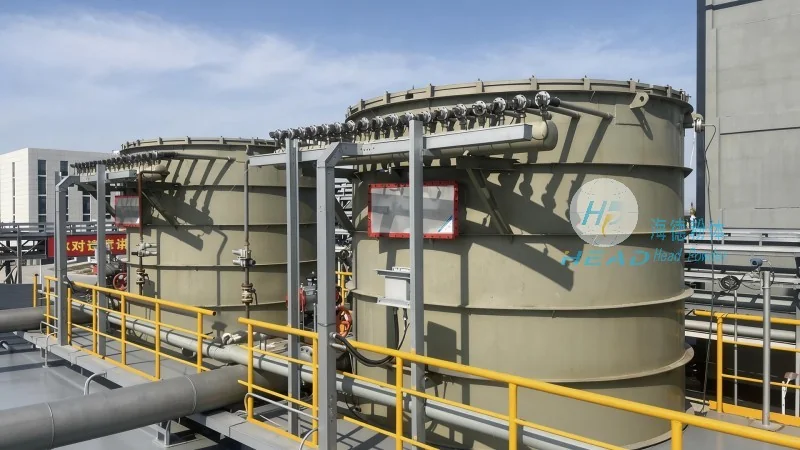
Comparison of Positive and Negative Pressure Modes
When comparing positive and negative pressure pneumatic conveying systems for desulfurizer transport, several factors must be considered. The choice between the two modes depends on the specific requirements of the industrial process, including the distance to be covered, the material characteristics, and the available space and equipment. Positive pressure systems are generally more suitable for long-distance and high-capacity applications, especially when dealing with abrasive or heavy desulfurizer particles. They offer greater flexibility in terms of system layout and can handle multiple transfer points. On the other hand, negative pressure systems are ideal for short-distance transport, handling fine or dusty materials, and applications where noise and energy consumption are critical factors. The cost of equipment is another important consideration; positive pressure systems may require more expensive high-pressure blowers and robust pipelines, while negative pressure systems may need powerful vacuum pumps and efficient filtration systems. Operational safety is also a key aspect, as positive pressure systems can pose a risk of explosion if the system is not properly sealed, whereas negative pressure systems are generally safer in terms of fire and explosion hazards due to the lower pressure environment.
Application in Industrial Settings
Desulfurizer pneumatic conveying technology is widely used in power generation plants, where limestone or other alkaline materials are used to absorb sulfur dioxide from flue gases. The positive pressure system is often preferred in these plants because it can handle the large volumes of desulfurizer required for continuous operation over long distances. The system ensures that the desulfurizer is delivered to the absorber towers without interruption, maintaining the efficiency of the flue gas desulfurization (FGD) process. In chemical manufacturing facilities, negative pressure systems may be used to transport fine desulfurizer powders from storage silos to processing units, where the material needs to be handled gently to avoid agglomeration. The choice of system in these applications is influenced by the need to minimize material degradation and maintain product quality. Additionally, in environmental remediation projects, both systems may be employed depending on the source and destination of the desulfurizer, with positive pressure systems used for bulk transport and negative pressure systems for fine material recovery.
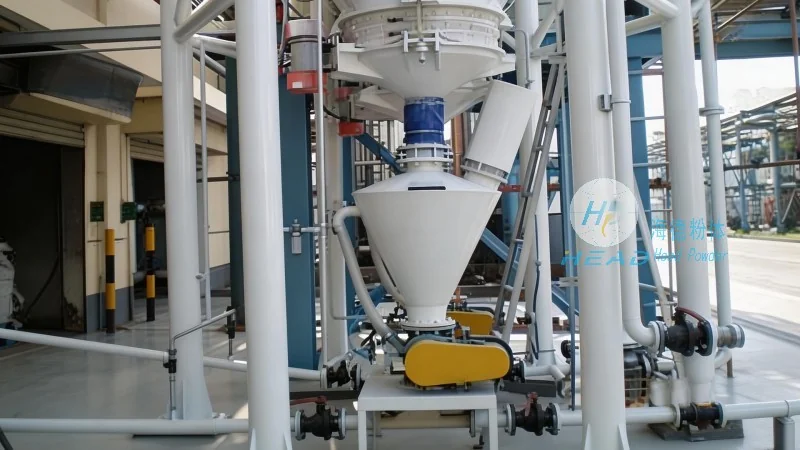
Advantages and Limitations of Each Mode
Positive pressure systems offer several advantages, including high conveying capacity, ability to handle long distances and multiple transfers, and suitability for abrasive materials. These systems are also more reliable in terms of maintaining a consistent flow rate, as the high pressure ensures that the material is continuously pushed through the pipeline. However, the limitations include higher energy consumption, increased noise levels, and the need for more robust equipment to withstand high pressures. The cost of installation and maintenance can be higher compared to negative pressure systems, especially when dealing with large-scale industrial applications. Negative pressure systems, on the other hand, have advantages such as lower energy consumption, reduced noise, and the ability to handle fine or dusty materials without causing excessive wear. They are also safer in terms of fire and explosion hazards due to the lower pressure environment. The limitations include lower conveying capacity and distance, susceptibility to clogging with fine materials, and higher maintenance requirements for the vacuum pump and filtration system. The choice between the two modes should be based on a thorough analysis of the specific application requirements, including material characteristics, distance, and operational constraints.