

What Are Dust-Free Bag Opening Material Handling Systems? And What Are Their Design Principles?
Understanding dust-free bag opening material handling systems is crucial for industries that require precise and contamination-free material processing. These systems are engineered by Shandong HeadPowder Engineering Co., Ltd. (headpowder) to handle bulk materials from sealed bags while maintaining a controlled environment, ensuring that the material remains free from dust, particles, or contaminants throughout the handling process. The design principles behind these systems are centered on efficiency, cleanliness, and reliability, addressing the specific needs of various industrial applications.
Key Components and Design Philosophy
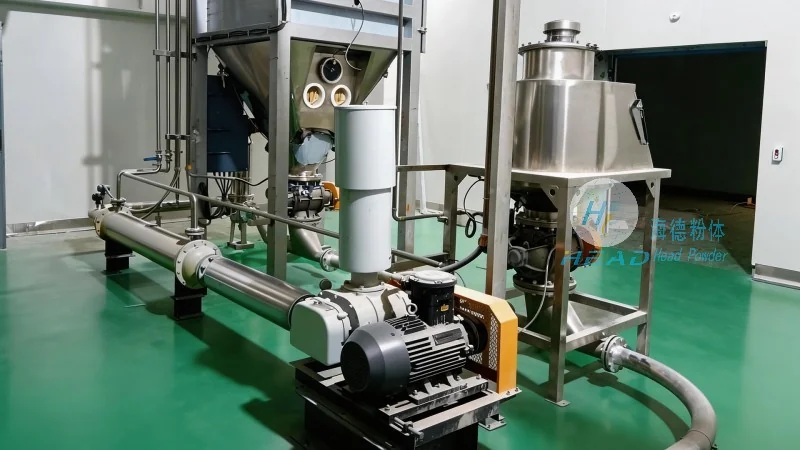
The core of a dust-free bag opening material handling system lies in its integrated components, each designed to work in harmony to achieve optimal performance. The system typically includes a bag opening mechanism, a material transfer unit, and a dust containment structure. The bag opening mechanism is engineered to safely and efficiently open sealed bags without generating dust or debris. This may involve specialized tools or automated processes that minimize the risk of material spillage or contamination. The material transfer unit then moves the processed material from the bag opening area to the next stage of the production line, often using conveyor belts, pneumatic systems, or other transfer mechanisms that maintain the material's integrity. The dust containment structure is a critical component, designed to capture and filter any airborne particles, ensuring that the surrounding environment remains clean and safe for operators and equipment.
Design Principles for Efficiency and Cleanliness
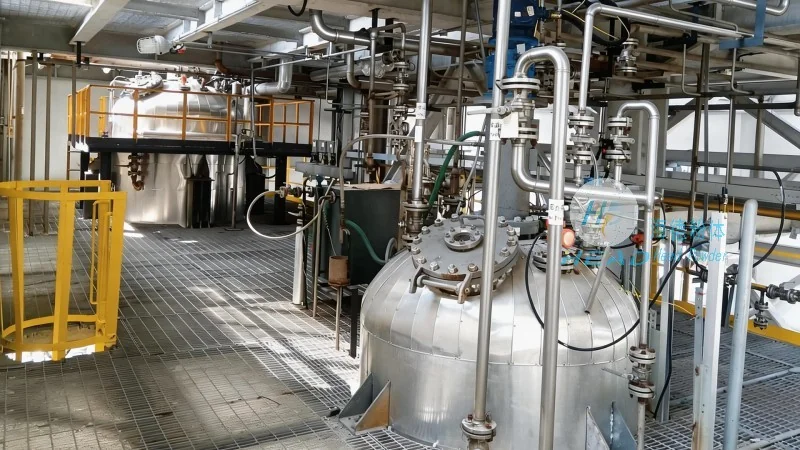
Efficiency and cleanliness are the two primary design principles that guide the development of dust-free bag opening material handling systems. Efficiency is achieved through streamlined processes and automated operations, reducing the time and labor required to handle bulk materials. This includes features such as rapid bag opening, continuous material flow, and minimal downtime for maintenance or adjustments. Cleanliness, on the other hand, is ensured through the use of sealed systems, filtration, and material containment. The design incorporates features like enclosed conveyor systems, air filtration units, and dust collection mechanisms that prevent the release of particles into the environment. Additionally, materials used in the construction of the system, such as stainless steel or specialized plastics, are chosen for their resistance to corrosion and ease of cleaning, further enhancing the overall cleanliness of the operation.
Application-Specific Design Considerations
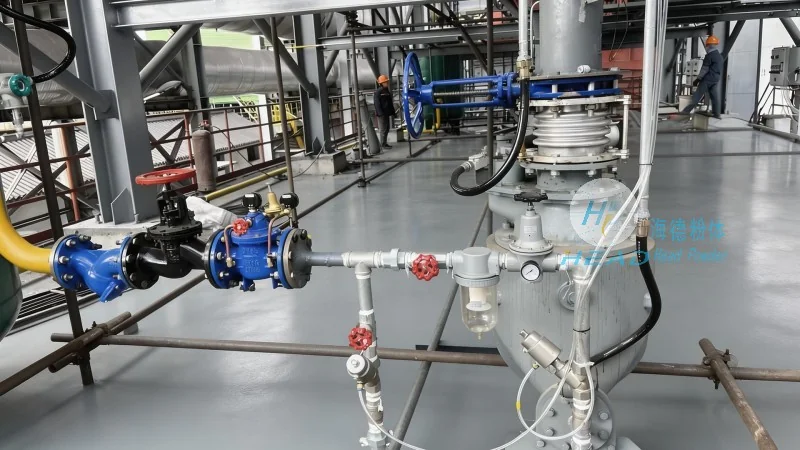
The design of dust-free bag opening material handling systems is tailored to meet the specific requirements of different industries and applications. For example, in the pharmaceutical or food processing industries, where product purity is paramount, the system may include additional features such as sterile environments, HEPA filtration, and sanitary design elements. In contrast, for industrial applications involving bulk chemicals or raw materials, the system may prioritize durability and the ability to handle abrasive or heavy materials. The design principles also consider factors like material density, flow characteristics, and the size of the bags being handled, ensuring that the system can effectively process a wide range of materials. This adaptability makes dust-free bag opening material handling systems versatile and suitable for various industrial settings.
Reliability and Maintenance in Design
Reliability is a key consideration in the design of dust-free bag opening material handling systems, as downtime can lead to significant production losses. The systems are engineered with durable components and robust construction to withstand the demands of continuous operation. Regular maintenance is facilitated by design features such as easy access to components, modular parts, and automated monitoring systems that alert operators to potential issues before they become major problems. The use of high-quality materials and precision manufacturing also contributes to the long-term reliability of the system. Additionally, the design incorporates redundancy in critical components, such as backup filtration or power supplies, to ensure that the system remains operational even in the event of a failure. This focus on reliability ensures that the system can consistently deliver high-quality results while minimizing operational disruptions.
Conclusion: The Importance of Design Principles
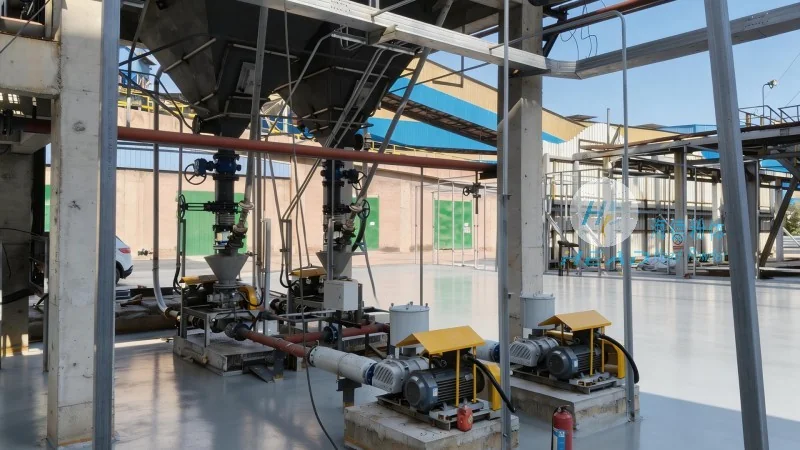
In conclusion, dust-free bag opening material handling systems are sophisticated pieces of equipment that combine advanced engineering with practical design principles to meet the demands of modern industrial applications. The integration of efficient material handling, strict cleanliness controls, and reliable operation ensures that these systems are essential for industries where product purity and operational efficiency are critical. The design principles behind these systems, including the use of sealed environments, filtration, and durable materials, are tailored to address the specific challenges of each application, making them a valuable asset for any organization seeking to optimize its material processing operations.