HeadPowder, a leading provider of industrial conveying solutions, specializes in advanced soil pneumatic conveying systems. These systems are engineered to efficiently transport bulk materials like soil, sand, and other granular substances over long distances with minimal maintenance and operational costs. Based in Shandong, China, HeadPowder has established itself as a trusted manufacturer and supplier of high-quality conveying equipment for various industrial sectors.
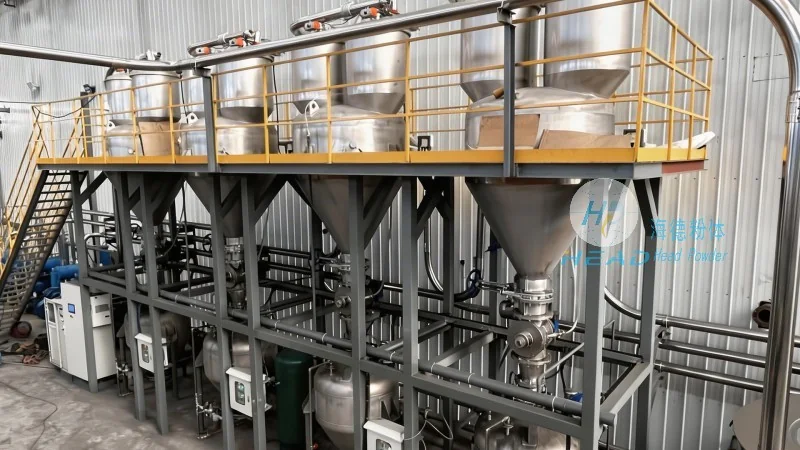
Overview of Soil Pneumatic Conveying Systems
Soil pneumatic conveying systems utilize air pressure to move materials through a pipeline network. Unlike traditional mechanical conveyors, these systems offer flexibility in layout and the ability to handle materials that are dusty or have a tendency to clog. The technology is widely adopted in construction, mining, and environmental remediation projects where reliable material transport is critical.
Working Principle of the System
The core of a soil pneumatic conveying system is the air compressor, which generates the necessary pressure to move material particles. The system typically consists of a hopper for material storage, a feeder to control the flow rate, a pipeline network, and a receiver for the discharged material. As material is fed into the system, it is mixed with air and carried through the pipeline by the pressure differential created by the compressor. The air acts as a carrier, suspending the particles and transporting them to the destination. The system can operate in either positive or negative pressure modes, depending on the application requirements.
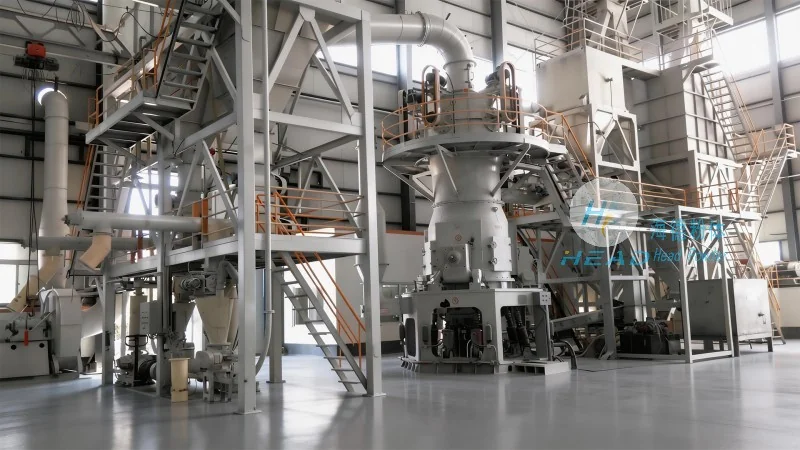
Key Components and Their Functions
Several critical components ensure the smooth operation of a soil pneumatic conveying system. The air compressor is the primary power source, providing the pressure needed to move the material. The hopper stores the bulk material and feeds it into the system at a controlled rate. The feeder, often a rotary valve or a screw feeder, regulates the material flow to maintain consistent pressure and prevent system overload. The pipeline network, usually made of stainless steel or other corrosion-resistant materials, transmits the material and air mixture. The receiver, located at the end of the pipeline, collects the discharged material and may include a dust collection system to control airborne particles.
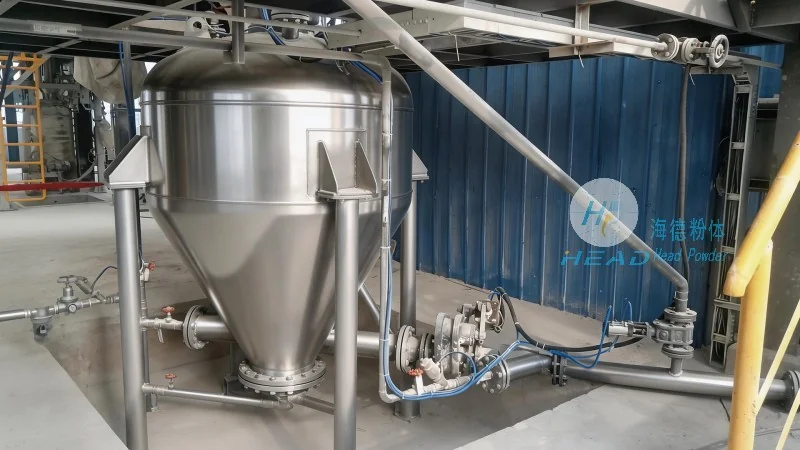
Operation Process: From Loading to Discharge
The operation of a soil pneumatic conveying system begins with the loading of material into the hopper. The feeder then starts, introducing the material into the pipeline at a controlled rate. The air compressor activates, generating the required pressure to move the material. As the material is conveyed, it travels through the pipeline, suspended by the air flow. The receiver at the destination end collects the material, and the system continues to operate until the hopper is empty or the material flow is adjusted. The system can be automated to adjust pressure and flow rates based on real-time conditions, ensuring optimal performance and energy efficiency.
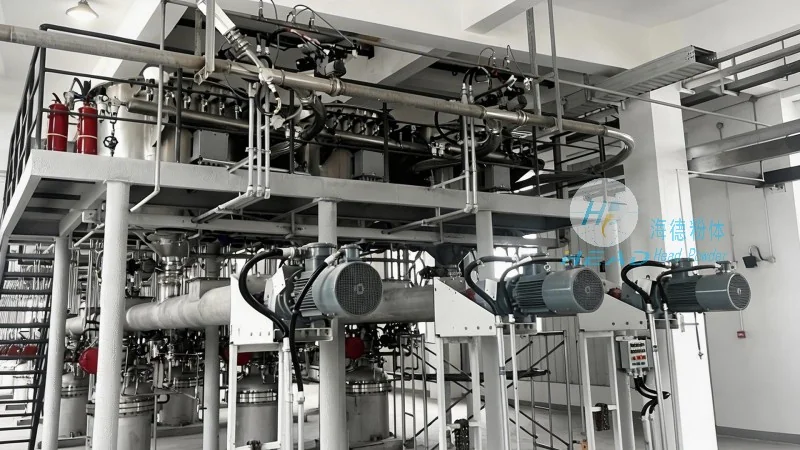
Advantages and Applications
Soil pneumatic conveying systems offer several advantages over traditional conveying methods. They are capable of handling abrasive materials without causing wear and tear on the system components. The enclosed pipeline design minimizes dust emissions, improving workplace safety and environmental compliance. The systems are also flexible in terms of layout, allowing for complex routing around obstacles. These benefits make them ideal for applications in construction sites, where soil and sand need to be transported from excavation areas to disposal or processing sites. In mining operations, the systems are used to transport ore and tailings over long distances. Additionally, in environmental remediation projects, they help in the removal and transport of contaminated soil to treatment facilities.
Maintenance and Operational Considerations
Proper maintenance is essential to ensure the longevity and efficiency of a soil pneumatic conveying system. Regular inspection of the air compressor and pipeline for leaks is crucial to maintain pressure levels. The hopper and feeder should be checked for blockages or material buildup, which can affect flow rates. The receiver and dust collection system should be cleaned periodically to prevent clogging and maintain air quality. Operational considerations include monitoring pressure and flow rates to detect any abnormalities that may indicate a problem. By adhering to a regular maintenance schedule and monitoring operational parameters, users can maximize the system's performance and minimize downtime.




