Tri-metal material pneumatic conveying represents a sophisticated technology within the powder handling sector, especially for materials like ternary cathode active powders used in lithium-ion batteries. This method efficiently transports fine powders through a pipeline using air or gas as the conveying medium. Grasping its operation process and working principle is crucial for optimizing material handling efficiency and ensuring process reliability.
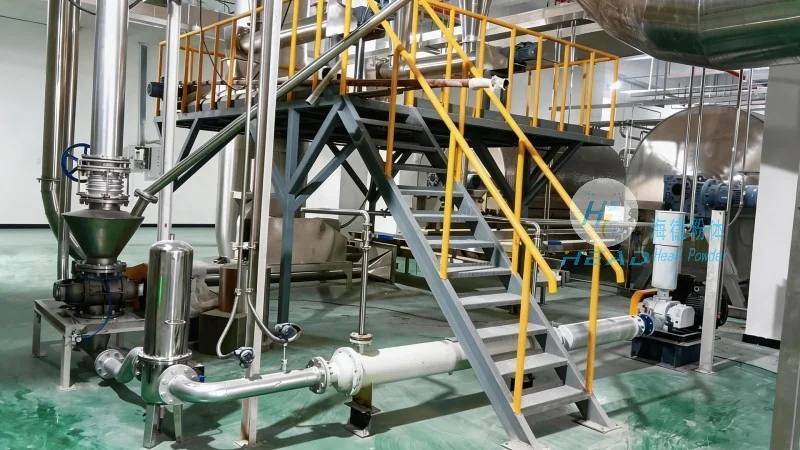
Company Profile: Shandong HeadPowder Engineering Co., Ltd.
HeadPowder, a leading provider in the field, specializes in advanced pneumatic conveying solutions tailored for high-value materials such as tri-metal compounds. With a strong presence in Shandong, China, the company leverages its expertise to deliver customized systems that meet the stringent requirements of modern industrial applications.
Working Principle of Pneumatic Conveying
The core principle of pneumatic conveying involves creating a pressure differential to move powders through a pipeline. In a typical system, a blower or compressor generates airflow that draws or pushes the material along the pipeline. The process can be categorized into two main types: dilute-phase and dense-phase conveying. Dilute-phase systems utilize high-velocity air to transport particles in a dispersed state, while dense-phase systems employ lower velocities and higher pressure to move material in a more compact form, reducing particle degradation and system wear.
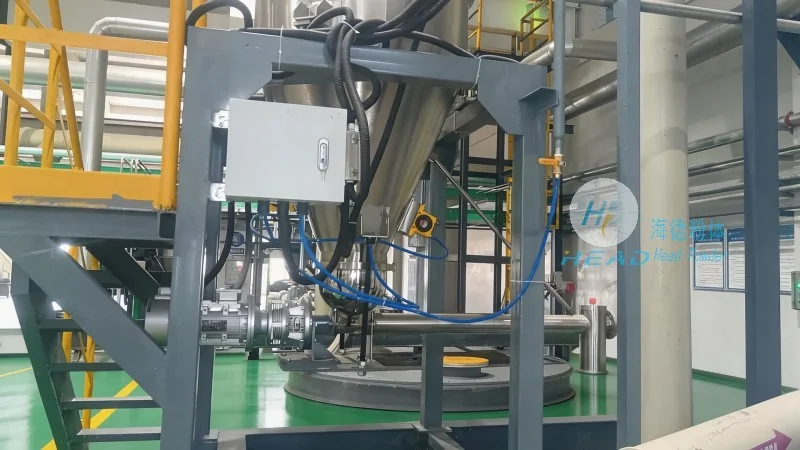
Operation Process of Tri-metal Material Pneumatic Conveying
The operation process of tri-metal material pneumatic conveying typically involves several key steps. First, the tri-metal powder is loaded into a hopper or storage silo. From there, it is fed into the conveying line via a feeder, such as a rotary valve or a star feeder, which controls the flow rate. The feeder is connected to a pipeline that leads to the destination, such as a mixer, a dryer, or a storage tank. The air is introduced at the inlet of the pipeline, creating a flow that transports the powder. At the receiving end, a separator or a cyclone separates the powder from the air, and the powder is collected in the receiving container. The air is then filtered and discharged or recirculated, depending on the system design.
Key Components and Their Roles
Several critical components ensure the smooth operation of a tri-metal material pneumatic conveying system. The blower or compressor provides the necessary air pressure and flow rate. The hopper or silo stores the material and feeds it to the feeder. The feeder regulates the material flow, preventing blockages and ensuring consistent conveying rates. The pipeline transports the material and air, with appropriate sizing to maintain the desired velocity. The separator or cyclone separates the powder from the air at the receiving end, preventing dust emissions and ensuring material purity. The filter system cleans the recirculated air, maintaining air quality and system efficiency.
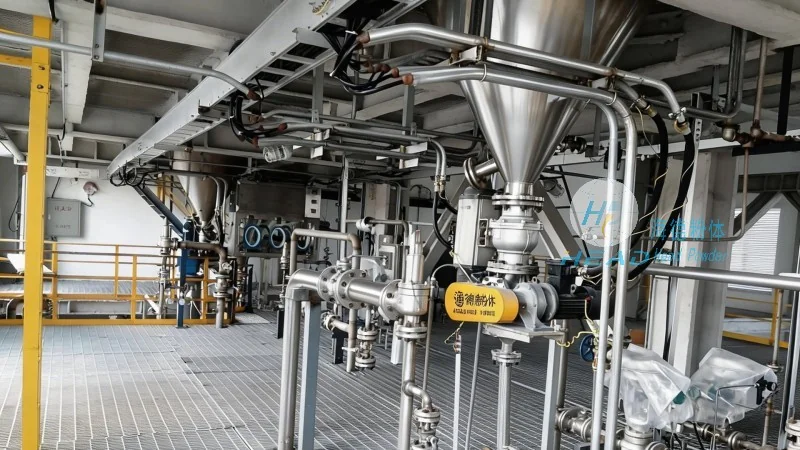
Advantages of Tri-metal Material Pneumatic Conveying
Tri-metal material pneumatic conveying offers several advantages over traditional mechanical conveying methods. It eliminates the need for moving parts in the conveying line, reducing maintenance costs and wear. The enclosed system prevents dust contamination and environmental pollution, which is crucial for handling sensitive materials like tri-metal compounds. It also allows for flexible layout designs, as the pipeline can be routed around obstacles. Additionally, the system can handle high-purity materials without particle degradation, preserving the quality of the tri-metal powder.
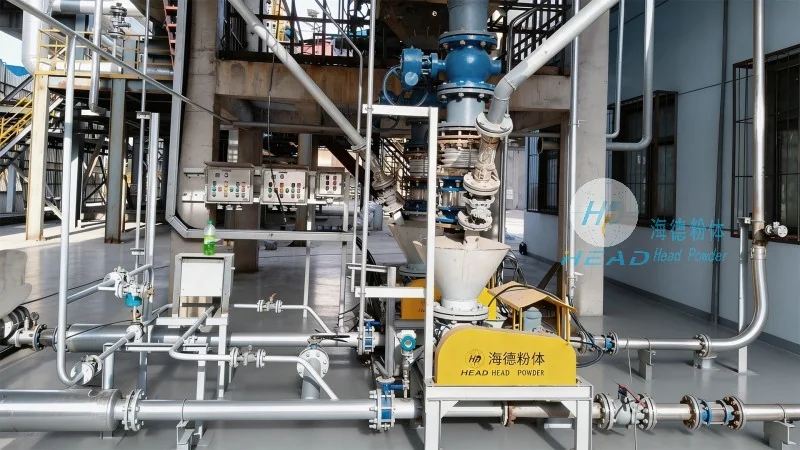
Applications in the Battery Industry
In the lithium-ion battery manufacturing process, tri-metal material pneumatic conveying is widely used for handling ternary cathode active materials. These materials are sensitive to moisture and contamination, making the enclosed, high-purity pneumatic system ideal. The technology ensures that the material is transported without exposure to air or moisture, maintaining its chemical stability and performance. HeadPowder's systems are designed to meet the stringent purity requirements of the battery industry, providing reliable and efficient material handling solutions.
Conclusion
Tri-metal material pneumatic conveying is a sophisticated and efficient method for handling high-value materials in the powder processing industry. By understanding its working principle and operation process, industries can optimize their material handling systems, improve product quality, and reduce operational costs. With companies like Shandong HeadPowder Engineering Co., Ltd. providing advanced solutions, the technology continues to play a vital role in modern industrial applications, particularly in the battery and chemical sectors.




