Regenerated sand, a vital material in the foundry sector, is frequently transported via pneumatic conveying systems. This approach provides efficient and flexible solutions for bulk material handling, particularly in industrial environments where conventional methods may be less suitable. Grasping the principles behind regenerated sand pneumatic conveying is essential for optimizing material handling processes and ensuring operational efficiency.
Introduction to Regenerated Sand Pneumatic Conveying
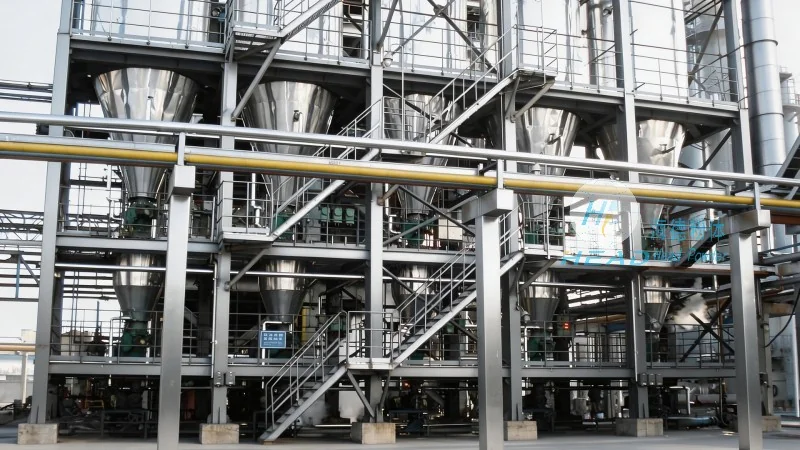
Regenerated sand, also known as reclaimed sand, is derived from recycling used sand in casting processes. It is commonly used in foundries to reduce material costs and environmental impact. Pneumatic conveying, which utilizes air or gas to transport solid particles, is a prevalent method for moving regenerated sand within a facility. This approach eliminates the need for mechanical components like conveyors or buckets, making it ideal for applications requiring flexible and space-efficient material handling.
Key Components of Regenerated Sand Pneumatic Conveying Systems
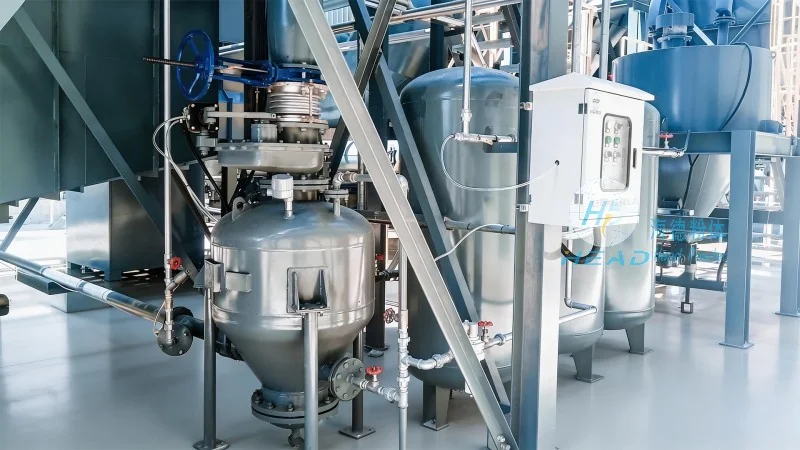
A typical regenerated sand pneumatic conveying system comprises several essential components that collaborate to transport the material. These components include a hopper or feeder for loading the sand, a conveying line (often constructed from metal or plastic pipes), a blower or compressor to generate air flow, and a receiver or collection tank for the material at the destination. Each component plays a critical role in ensuring the system operates smoothly and efficiently.
The Design Principles Behind Regenerated Sand Pneumatic Conveying
The design of a regenerated sand pneumatic conveying system is grounded in several fundamental principles that ensure optimal performance. One primary principle is the selection of appropriate air velocity and pressure. The air velocity must be high enough to keep sand particles suspended in the air stream but not excessively high to cause wear on system components. The pressure level is also critical, as it determines the conveying distance and overall system efficiency.
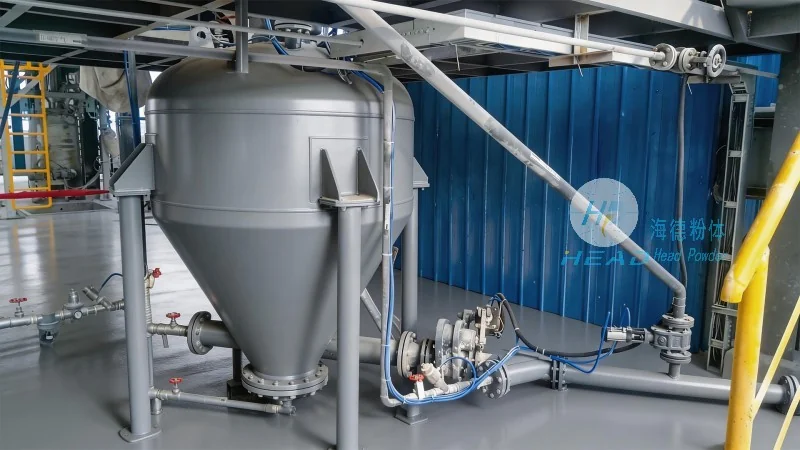
Another important design principle is the choice of the conveying line material. The line must be durable enough to withstand the abrasive nature of sand particles, which can cause wear over time. Common materials for the conveying line include stainless steel, aluminum, and high-density polyethylene (HDPE), each offering advantages and limitations based on specific application and operating conditions.
Advantages of Regenerated Sand Pneumatic Conveying
Implementing a pneumatic conveying system for regenerated sand offers several advantages over traditional methods. One significant benefit is the reduction in material handling time and labor costs. Unlike mechanical conveyors, which require regular maintenance and may experience breakdowns, pneumatic systems can operate continuously with minimal downtime. Additionally, pneumatic conveying is more flexible, allowing for changes in the material flow path without major system modifications.
Another advantage is the improved workplace safety and hygiene. Since the material is transported through a closed system, there is less risk of dust exposure or contamination, which is crucial in foundries where air quality and worker safety are paramount. The system also helps maintain a cleaner working environment by preventing dust from spreading throughout the facility.
Applications and Use Cases
Regenerated sand pneumatic conveying systems are widely used in various industrial applications, especially in the foundry industry. They are commonly employed in sand reclamation plants, where used sand is processed and transported back to casting lines. The systems are also utilized in other industries handling bulk materials, such as cement, grain, and chemicals, where efficient and reliable material transport is essential.
In the context of Shandong HeadPowder Engineering Co., Ltd., a leading provider of material handling solutions, the company specializes in designing and manufacturing pneumatic conveying systems tailored to client needs. With years of industry experience, HeadPowder has developed advanced systems that ensure efficient and cost-effective transportation of regenerated sand, helping foundries and other industrial facilities optimize operations.
Conclusion
Regenerated sand pneumatic conveying is a highly effective method for transporting bulk materials in industrial settings. By understanding the design principles and key components of such systems, industries can improve material handling processes, reduce costs, and enhance operational efficiency. As a leading company in the field, Shandong HeadPowder Engineering Co., Ltd. continues to innovate and provide high-quality solutions that meet the evolving needs of the foundry and other industries.




