

Working Principle and Features of Fine Powder Pneumatic Conveying Equipment
For industries dealing with fine powders, efficient and reliable material handling is crucial. The fine powder pneumatic conveying equipment offered by Shandong HeadPowder Engineering Co., Ltd. is designed to meet these demands, ensuring seamless and safe transportation of powders. This article explores the working principle and key features of this equipment, highlighting its advantages in various industrial applications.
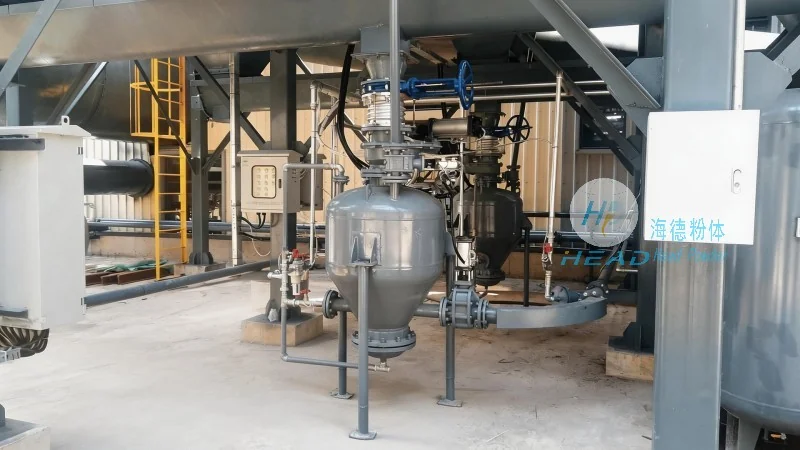
Understanding the Working Principle of Fine Powder Pneumatic Conveying Equipment
The core of fine powder pneumatic conveying equipment lies in the use of air as the conveying medium. This technology operates by creating a pressure differential or using a vacuum to move powders through a pipeline. There are two primary modes of operation: suction (or vacuum) conveying and pressure (or pressure) conveying. In suction conveying, a vacuum is applied at the inlet to draw the powder into the system. The powder is then carried along the pipeline by the air flow. Conversely, pressure conveying uses compressed air to push the powder through the system, typically from a storage silo or hopper.
Within the system, the fine powder is often mixed with air in a specific ratio to form a dense or dilute phase flow. The choice between dense and dilute phase depends on the material characteristics, such as particle size, moisture content, and flowability. Dense phase conveying is ideal for materials that are prone to segregation or caking, as it maintains a higher solids concentration, reducing the risk of blockages. Dilute phase conveying, on the other hand, is suitable for materials that are free-flowing and require longer transportation distances.
Key Features of Fine Powder Pneumatic Conveying Equipment
Shandong HeadPowder Engineering Co., Ltd. specializes in providing advanced fine powder pneumatic conveying solutions that combine efficiency with durability. The equipment features several notable characteristics that enhance its performance and reliability:
1. High Efficiency and Low Energy Consumption: The design optimizes air usage, minimizing energy costs while ensuring rapid and consistent material transport. This efficiency is particularly beneficial for large-scale operations where continuous material handling is required.
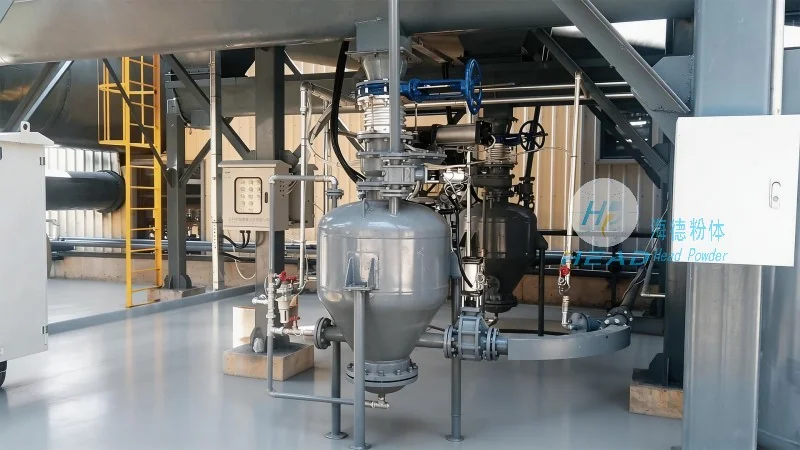
2. Versatility in Material Handling: The equipment is capable of handling a wide range of fine powders, including chemicals, food products, and pharmaceuticals. Its adaptability allows it to accommodate different particle sizes, densities, and flow properties without compromising performance.
3. Environmental Friendliness: Unlike traditional mechanical conveying methods, pneumatic systems eliminate the need for moving parts in contact with the material, reducing wear and tear and minimizing the risk of contamination. Additionally, they can be equipped with dust collection systems to ensure compliance with environmental regulations and maintain a clean working environment.
4. Compact and Space-Saving Design: The equipment is engineered to occupy minimal floor space, making it suitable for installations in confined areas or existing facilities. This design flexibility allows for easy integration into existing production lines without major structural modifications.
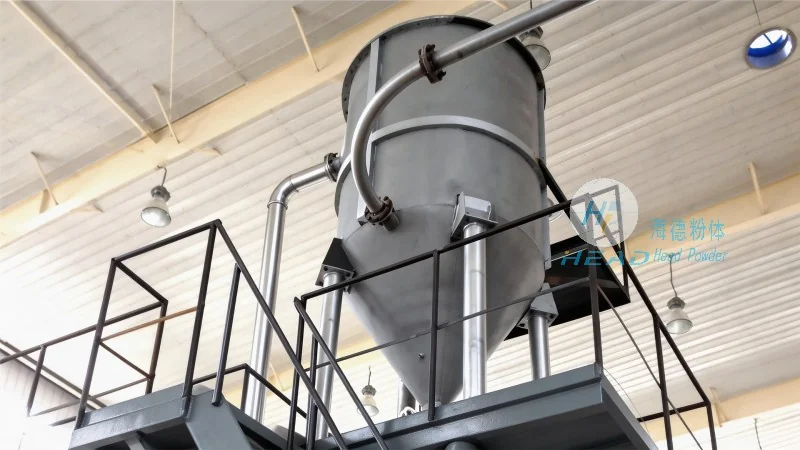
5. Easy Maintenance and Long Service Life: The components are constructed from high-quality materials, such as stainless steel and corrosion-resistant alloys, ensuring durability and resistance to wear and corrosion. The modular design facilitates easy maintenance and replacement of parts, reducing downtime and extending the equipment's service life.
Applications and Benefits in Industrial Settings
The fine powder pneumatic conveying equipment from Shandong HeadPowder Engineering Co., Ltd. is widely used in various industries, including chemical manufacturing, food processing, pharmaceuticals, and mining. Its ability to handle fine powders efficiently and safely makes it an essential component in processes such as raw material transport, product packaging, and waste management.
For example, in the chemical industry, the equipment is used to transport powders like calcium carbonate, titanium dioxide, and other industrial chemicals. In the food industry, it ensures the safe and hygienic handling of powders like flour, sugar, and spices. The pharmaceutical sector benefits from the equipment's ability to maintain sterile conditions and prevent cross-contamination, which is critical for drug production.
Overall, the equipment offers significant advantages over traditional methods, including reduced labor costs, improved product quality, and enhanced safety. By leveraging the principles of pneumatic conveying, industries can achieve more efficient and reliable material handling, ultimately improving their operational performance and competitiveness.