

Working Principle and Features of Rapeseed Pneumatic Conveying Equipment
Rapeseed, also known as canola, is a crucial oilseed crop widely cultivated for its high oil content. The efficient handling and transportation of rapeseed from fields to processing facilities are critical for maintaining quality and optimizing production. Pneumatic conveying systems have emerged as a preferred solution for this purpose, offering a clean, efficient, and flexible method to move rapeseed grains. This article explores the working principle and key features of rapeseed pneumatic conveying equipment, highlighting how such systems enhance operational efficiency in agricultural processing.
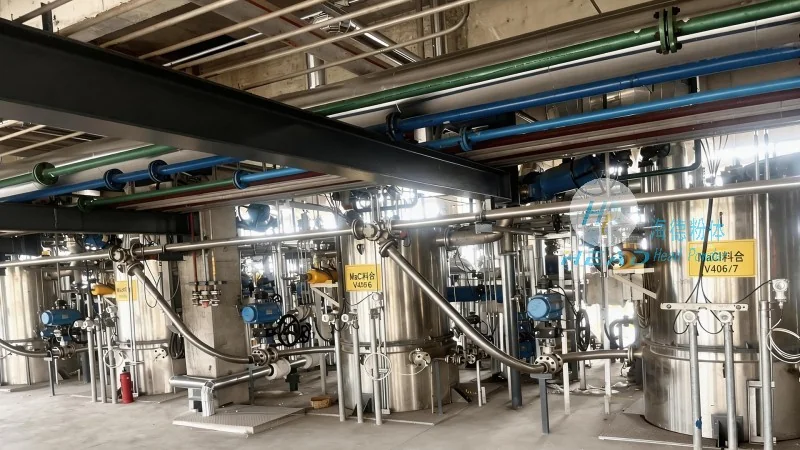
Introduction to Rapeseed Pneumatic Conveying
Pneumatic conveying, or air conveying, is a technology that uses compressed air to transport bulk materials like rapeseed through a pipeline system. Unlike traditional mechanical conveyors, which rely on belts or buckets, pneumatic systems utilize air pressure to move the material, making them ideal for handling delicate or dusty products. For rapeseed, which is often used in oil extraction and food processing, maintaining product integrity is paramount. Pneumatic conveying minimizes mechanical stress and contamination, ensuring the quality of the final product.
Working Principle of Rapeseed Pneumatic Conveying Equipment
The core of rapeseed pneumatic conveying equipment is a system that combines air flow and pressure to transport the seed. The process typically involves several key components: a hopper for material storage, a blower or compressor to generate airflow, a pipeline network to direct the material, and a receiver or discharge unit to collect the conveyed rapeseed. The operation begins when rapeseed is fed into the hopper. The blower then draws air from the hopper and propels it through the pipeline, creating a low-pressure zone that pulls the rapeseed along with the air stream. As the air and seed mixture travels through the pipeline, it passes through various sections, including bends and filters, which help maintain the flow and prevent blockages. The receiver at the end of the pipeline collects the rapeseed, allowing it to be discharged into a processing unit or storage area.
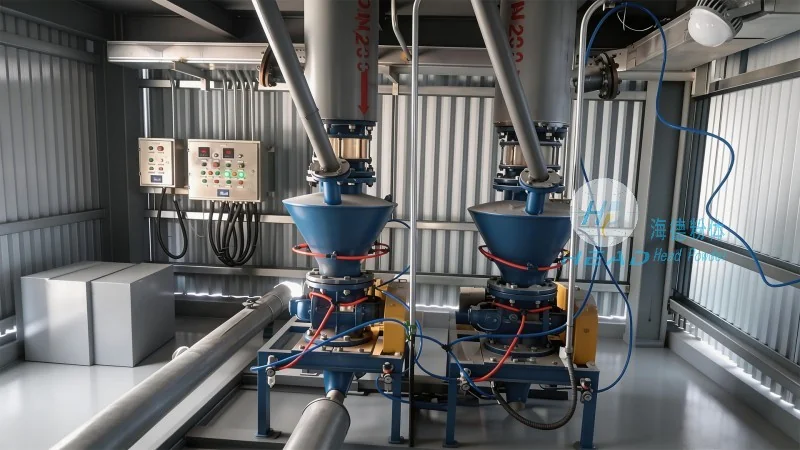
Key Features of Rapeseed Pneumatic Conveying Systems
Several distinct features make rapeseed pneumatic conveying equipment highly effective for agricultural applications. First, the system offers high flexibility in layout. Since it uses a pipeline network, the conveying path can be easily adjusted to fit the spatial constraints of a processing facility, allowing for vertical or horizontal transport as needed. Second, pneumatic systems provide excellent dust control. The enclosed pipeline design prevents dust from escaping into the environment, which is beneficial for both worker safety and product quality. Third, these systems are capable of handling a wide range of material sizes and moisture contents, making them versatile for different rapeseed varieties. Fourth, the equipment is relatively easy to clean and maintain. The absence of moving parts in the pipeline reduces the risk of mechanical failure and simplifies the cleaning process, which is essential for maintaining hygiene standards in food processing.
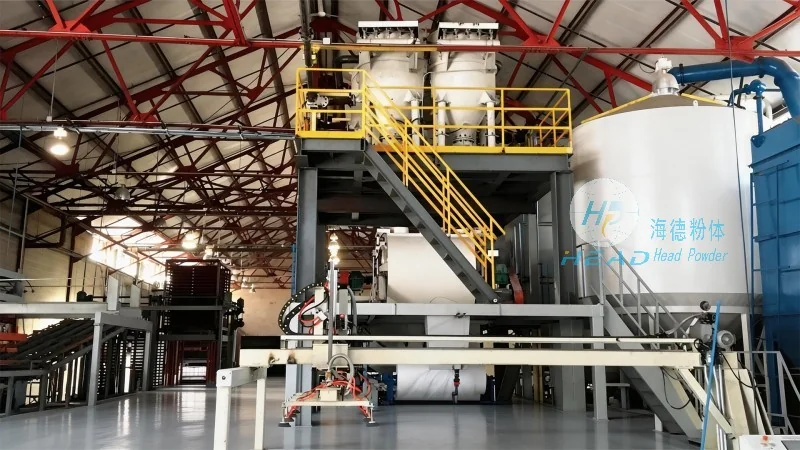
Benefits of Using Rapeseed Pneumatic Conveying Equipment
Implementing rapeseed pneumatic conveying systems brings numerous advantages to agricultural processing operations. One of the most significant benefits is the improvement in operational efficiency. By automating the material handling process, the system reduces labor costs and minimizes the time required to move rapeseed from storage to processing. This leads to faster production cycles and increased throughput. Additionally, the system enhances product quality by minimizing damage to the rapeseed grains. The gentle handling reduces breakage and bruising, which can affect oil extraction efficiency and final product quality. Another benefit is the reduction in operational costs. Pneumatic systems have lower maintenance requirements compared to mechanical conveyors, as they have fewer moving parts and are less prone to wear and tear. This results in lower long-term operational expenses. Furthermore, the enclosed design of the system helps maintain a controlled environment, which is crucial for preventing contamination from external sources.
Conclusion
In conclusion, rapeseed pneumatic conveying equipment is a sophisticated and efficient solution for the transportation of rapeseed in agricultural processing. By leveraging compressed air to move the material through a pipeline system, these devices offer advantages such as flexibility, dust control, and product preservation. The working principle, which involves the coordinated operation of hoppers, blowers, and pipelines, ensures a smooth and continuous flow of rapeseed. The key features, including layout adaptability and easy maintenance, make the system suitable for various processing facilities. The benefits, such as improved efficiency and product quality, justify the investment in pneumatic conveying technology. For companies dealing with rapeseed, adopting such equipment is a strategic move to enhance operational performance and maintain high standards in their processing operations. Shandong HeadPowder Engineering Co., Ltd., a leading manufacturer in this field, specializes in providing customized pneumatic conveying solutions tailored to the specific needs of rapeseed processing facilities.