

Operation Process and Working Principle of Air-Driven Transport of Heptahydrate Magnesium Sulfate
Heptahydrate magnesium sulfate, commonly known as Epsom salt, is a widely used chemical compound in various industrial applications. The air-driven transport system for this material is a critical component in many processing facilities, ensuring efficient and safe material handling. This article provides a detailed overview of the operation process and working principles of the air-driven transport system for heptahydrate magnesium sulfate, highlighting the key components, operational steps, and technical aspects involved. The system is designed and manufactured by Shandong HeadPowder Engineering Co., Ltd., a leading company in the field of material handling solutions, with operations based in Shandong, China.
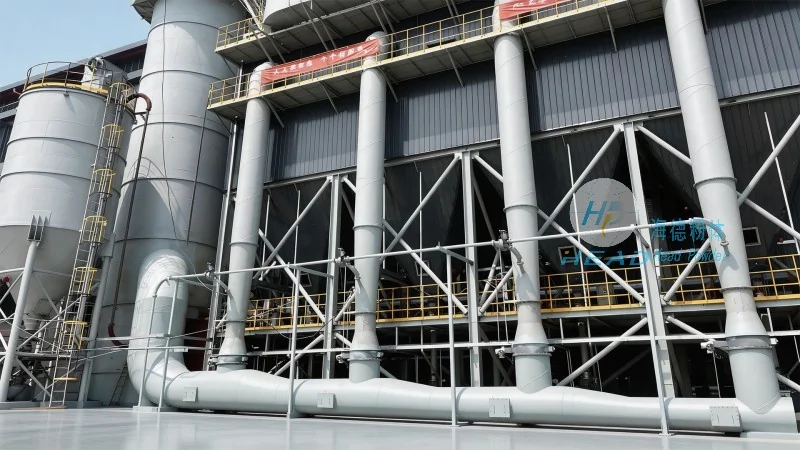
Key Components of the Air-Driven Transport System
The air-driven transport system for heptahydrate magnesium sulfate typically consists of several essential components that work in concert to facilitate material movement. These components include a hopper for material storage, a rotary valve or feeder to control the flow of material, a pipeline system for transporting the material, and a dust collector or filter to manage air quality. The system may also incorporate a blower or air compressor to generate the necessary air pressure for material transport. Each component plays a vital role in ensuring the system operates efficiently and safely, minimizing the risk of material spillage or air contamination. The hopper is designed to hold a sufficient quantity of heptahydrate magnesium sulfate, providing a stable feed source for the system. The rotary valve or feeder regulates the material flow rate, preventing overloading and ensuring consistent material delivery to the pipeline. The pipeline system is constructed from materials resistant to corrosion and abrasion, suitable for handling the chemical properties of heptahydrate magnesium sulfate. The dust collector or filter captures any fine particles released during transport, maintaining air quality and complying with environmental regulations.
Operation Process of the Air-Driven Transport System
The operation process of the air-driven transport system for heptahydrate magnesium sulfate begins with the loading of material into the hopper. The material is then fed into the pipeline system through a rotary valve or feeder, which controls the flow rate and prevents overloading. The blower or air compressor generates a stream of air that moves the material through the pipeline, utilizing the principle of pneumatic conveying. The material is carried by the air stream, and the pipeline design ensures that the material is transported smoothly without clogging or blockages. The system may include a series of bends and changes in elevation, which are designed to accommodate the material's physical properties and the required transport distance. The material is then discharged at the receiving end, where it is collected in a storage tank or processing equipment. The entire process is automated, allowing for continuous operation and minimizing the need for manual intervention. The system's control panel allows operators to monitor and adjust parameters such as air pressure, flow rate, and material level, ensuring optimal performance.
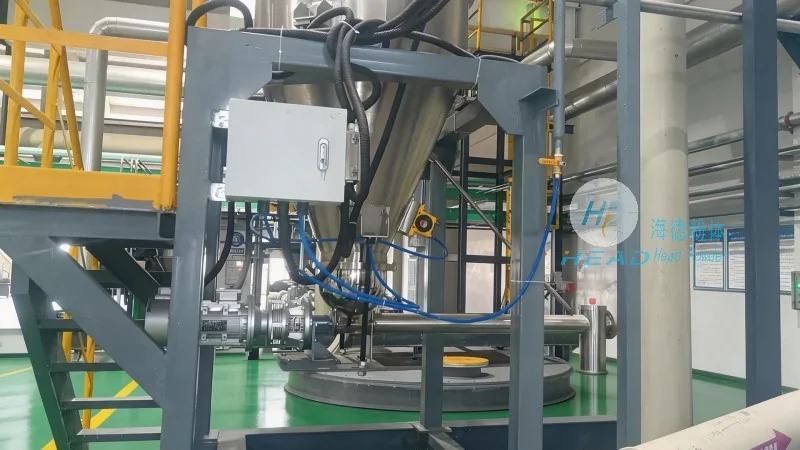
Working Principle of Pneumatic Conveying in the System
The working principle of the air-driven transport system relies on the concept of pneumatic conveying, where air is used to transport solid materials. In the case of heptahydrate magnesium sulfate, the system uses a positive pressure or negative pressure system to move the material. The positive pressure system involves blowing air into the pipeline, creating a high-pressure environment that pushes the material forward. The negative pressure system, on the other hand, uses a vacuum to draw the material into the pipeline. The choice of system depends on factors such as the material's characteristics, the distance to be transported, and the required flow rate. The system's efficiency is influenced by the air velocity, which must be sufficient to keep the material suspended and prevent it from settling or clogging the pipeline. Proper design of the pipeline and the use of appropriate air velocities are crucial for maintaining the system's performance and minimizing energy consumption. The air velocity is typically maintained at a level that ensures the material particles are fully entrained by the air stream, preventing deposition and ensuring smooth transport. The system may also incorporate a series of pulse jets or air valves to maintain consistent flow and prevent material buildup in the pipeline.
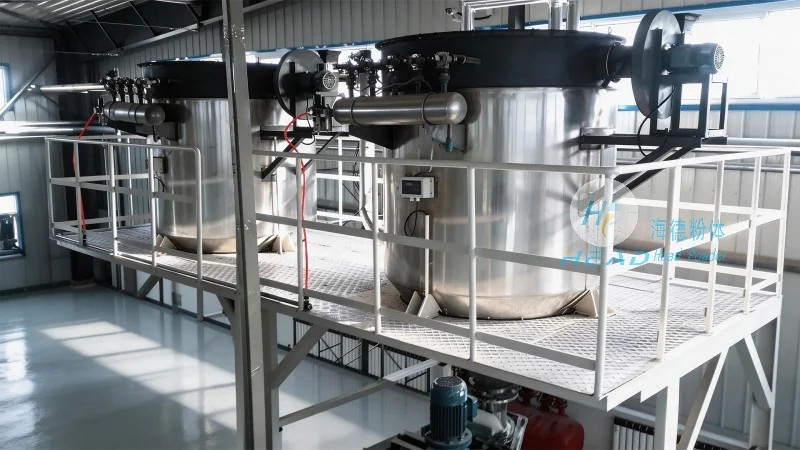
Benefits and Applications of the Air-Driven Transport System
The air-driven transport system for heptahydrate magnesium sulfate offers several benefits over traditional material handling methods. These include improved safety, as the system minimizes direct human contact with the material, reducing the risk of exposure to dust or other hazards. The system also enhances efficiency by allowing for continuous material flow, reducing downtime and increasing production throughput. Additionally, the system is versatile and can be adapted to various industrial applications, such as pharmaceutical manufacturing, chemical processing, and agricultural use. The system's ability to handle fine powders and prevent material segregation makes it particularly suitable for heptahydrate magnesium sulfate, which is often used in these industries. For example, in pharmaceutical manufacturing, the system can transport heptahydrate magnesium sulfate to mixing and granulation units, ensuring a consistent and controlled feed. In chemical processing, the system can transport the material to reactors and storage tanks, facilitating smooth production cycles. In agricultural applications, the system can distribute heptahydrate magnesium sulfate as a fertilizer or soil amendment, improving crop yields and soil health.
Maintenance and Operational Considerations
Proper maintenance of the air-driven transport system is essential to ensure its long-term performance and reliability. Regular inspection of the components, such as the hopper, feeder, and pipeline, is necessary to detect any signs of wear or damage. The blower or air compressor should be checked for proper operation and efficiency, as any issues can affect the system's performance. The dust collector or filter should be cleaned regularly to prevent clogging and maintain air quality. Operational considerations also include monitoring the material flow rate and air pressure, as these parameters can impact the system's efficiency. Proper training of personnel on the system's operation and maintenance is crucial to ensure safe and effective operation. By following these guidelines, the system can operate at optimal performance, minimizing downtime and maximizing productivity. The maintenance schedule should be tailored to the system's usage and the material being transported, with more frequent checks during peak operation periods. The use of high-quality replacement parts and regular lubrication of moving components can extend the system's lifespan and reduce the risk of failures. Additionally, the system should be inspected for any signs of corrosion or wear, particularly in areas exposed to the chemical properties of heptahydrate magnesium sulfate. Any issues should be addressed promptly to prevent further damage and ensure continued operation.