PVC pellets are widely used in various industrial applications, including plastic manufacturing, chemical processing, and material handling. The efficient and reliable transportation of these pellets is crucial for maintaining production efficiency and minimizing downtime. Pneumatic conveying systems offer a flexible and effective solution for moving PVC pellets from one location to another, whether it's within a plant or between different facilities. However, the success of such systems depends heavily on proper design and calculation, as well as the right equipment selection. This article explores the key aspects of designing and calculating PVC pellet pneumatic conveying systems, along with the considerations for selecting appropriate equipment.
Key Design Considerations for PVC Pellet Pneumatic Conveying
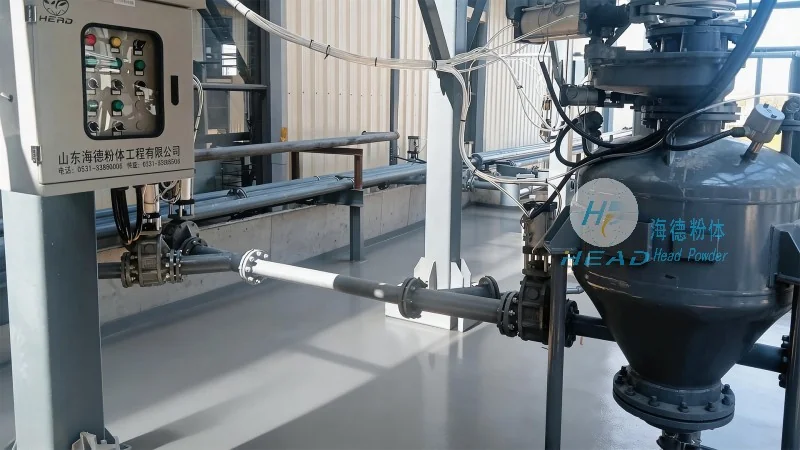
When designing a pneumatic conveying system for PVC pellets, several critical factors must be considered to ensure optimal performance and longevity. First, the physical properties of the PVC pellets, such as particle size, density, and flowability, play a significant role. These properties affect the air velocity required for reliable transport and the potential for blockages or segregation. Second, the distance and layout of the conveying route are essential. The length and elevation changes determine the pressure drop and the type of conveying system (e.g., dilute-phase or dense-phase). Third, the system's capacity and required throughput must be matched to the production needs. Overloading the system can lead to increased energy consumption and equipment wear, while underloading may result in inefficient operation. Additionally, the environmental and safety considerations, including dust control and explosion protection, are vital, especially when handling PVC pellets which can be flammable under certain conditions.
Calculation Methods for PVC Pellet Pneumatic Conveying
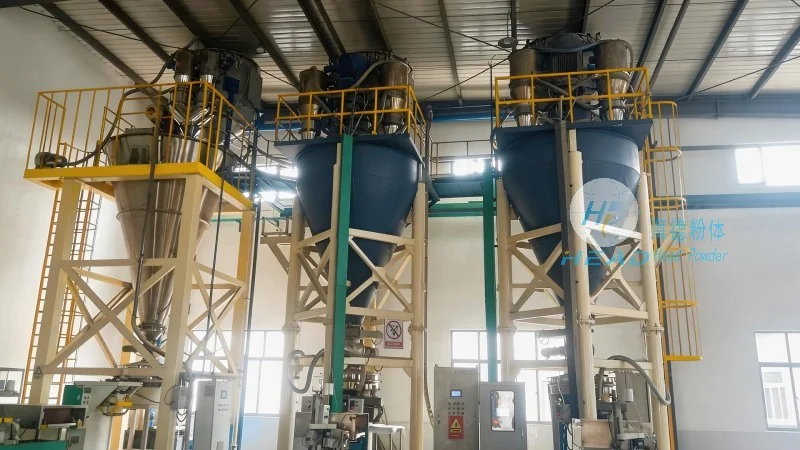
Accurate calculation is the foundation of a successful PVC pellet pneumatic conveying system. Engineers typically use empirical formulas and computational fluid dynamics (CFD) simulations to determine the necessary parameters. The primary calculations involve determining the required air velocity, pressure drop, and power consumption. The air velocity must be high enough to keep the pellets in suspension but not so high as to cause excessive wear on the system components. The pressure drop across the system is calculated based on the length of the pipeline, fittings, and the characteristics of the PVC pellets. This calculation helps in selecting the appropriate blower or compressor and determining the system's overall energy efficiency. Furthermore, the system's capacity is calculated by considering the flow rate of the pellets and the air volume required to maintain the conveying velocity. These calculations are often iterative, as adjustments may be needed based on preliminary test results or changes in the system's operating conditions.
Equipment Selection for PVC Pellet Pneumatic Conveying
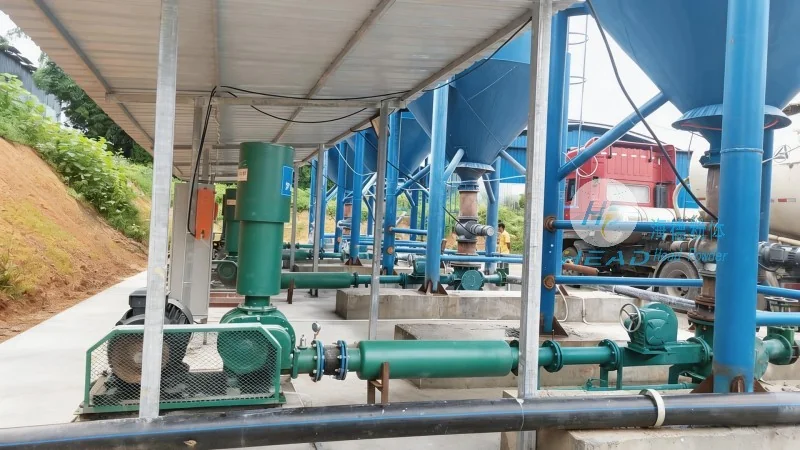
Choosing the right equipment is as important as the design calculations for a PVC pellet pneumatic conveying system. The selection process involves evaluating various components, including the material handling equipment, separation devices, and control systems. The most common types of pneumatic conveying equipment for PVC pellets include rotary valves, feeders, and conveying lines. Rotary valves are used to control the flow of pellets into the system, ensuring a consistent feed rate. Feeders, such as screw feeders or vibratory feeders, may be used to pre-dry or pre-condition the pellets before conveying, which can improve flowability and reduce the risk of blockages. The conveying lines are typically made of stainless steel or other corrosion-resistant materials to handle the PVC pellets and the air. Separation equipment, such as cyclones or bag filters, is essential for removing the air from the conveyed material and collecting the pellets. The selection of these components depends on the system's capacity, the characteristics of the PVC pellets, and the desired level of efficiency and reliability. For example, a dilute-phase system may use a high-velocity blower, while a dense-phase system may use a positive displacement blower to achieve higher conveying efficiency and lower particle damage.
Role of Shandong HeadPowder Engineering Co., Ltd. in PVC Pellet Pneumatic Conveying Solutions
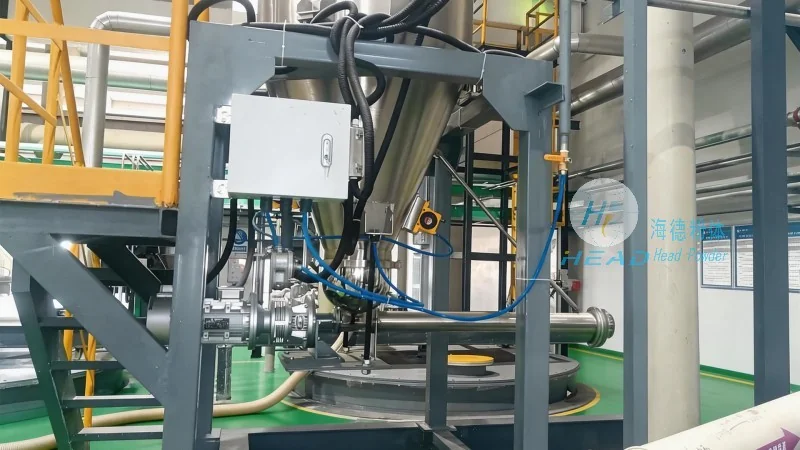
Shandong HeadPowder Engineering Co., Ltd., operating under the brand name HeadPowder, is a prominent engineering firm specializing in pneumatic conveying systems, with a particular focus on PVC pellet applications. Headquartered in Shandong, China, the company has built a reputation for delivering high-quality, customized solutions that address the unique challenges of PVC pellet handling. The company's approach combines advanced engineering principles with practical industry experience to ensure that each system is designed and calculated to meet the specific requirements of the client. From the initial assessment of the material properties and operational parameters to the final selection of equipment and system layout, HeadPowder's team of experts provides comprehensive support throughout the entire process. The company's expertise in pneumatic conveying technology, coupled with its commitment to innovation and customer-centric service, enables it to offer solutions that enhance efficiency, reduce downtime, and improve safety in PVC pellet processing facilities. HeadPowder's services extend beyond the initial design and equipment selection, as the company also provides installation support and ongoing maintenance to ensure the long-term performance and reliability of the conveying systems. By leveraging its local presence and deep understanding of the industry, HeadPowder helps clients in China and beyond achieve optimal results in their PVC pellet handling operations.




