

How to Prevent Pipeline Blockages in Pneumatic Conveying Systems for Cotton Fiber Transport? Key Des
For industries dealing with cotton fiber, the efficient and reliable transport of raw materials is crucial to maintaining production continuity and minimizing operational disruptions. Pneumatic conveying systems have emerged as a preferred method due to their ability to handle fine, dry materials like cotton fiber with minimal contamination and reduced risk of material degradation. However, a common challenge in such systems is the formation of pipeline blockages, which can lead to costly downtime and increased maintenance expenses. Understanding how to prevent these blockages and identifying the critical design parameters that influence system performance are essential for optimizing cotton fiber transport operations.
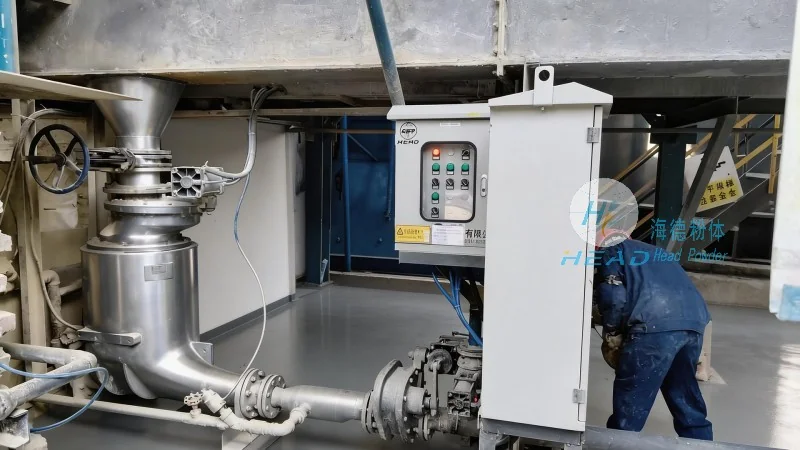
Understanding the Causes of Pipeline Blockages in Cotton Fiber Conveying
Pipeline blockages in pneumatic conveying systems for cotton fiber typically arise from several factors. One primary cause is the agglomeration of fine particles, which can occur due to moisture content variations or the presence of contaminants. When cotton fibers become moist or mix with other materials, they tend to stick together, forming clumps that can clog the system's pipelines. Another factor is the design of the conveying system itself, particularly the velocity and pressure of the air flow, which must be carefully managed to prevent material settling or accumulation. Additionally, the choice of pipeline materials and internal surface finishes can impact the likelihood of blockages, as rough or non-optimized surfaces may promote material adherence.
Key Design Parameters for Preventing Blockages in Pneumatic Conveying Systems
Several key design parameters must be considered when designing a pneumatic conveying system for cotton fiber to minimize the risk of pipeline blockages. The first is the air velocity, which should be maintained at a level that ensures the material remains in suspension without causing excessive wear on the system components. For cotton fiber, typical conveying velocities range from 20 to 30 meters per second, depending on the particle size and moisture content. Maintaining this velocity helps prevent material settling and reduces the chance of clumping. Another critical parameter is the system pressure, which must be sufficient to overcome the resistance of the pipeline and the material's drag forces. Proper pressure management ensures consistent material flow and prevents pressure drops that could lead to blockages. The pipeline diameter is also a significant factor; larger diameters reduce friction losses and lower the risk of material accumulation, while smaller diameters may require higher velocities to maintain flow. Additionally, the use of smooth, corrosion-resistant materials for the pipeline, such as stainless steel or PTFE-coated pipes, can minimize material adherence and facilitate easier cleaning if blockages occur.
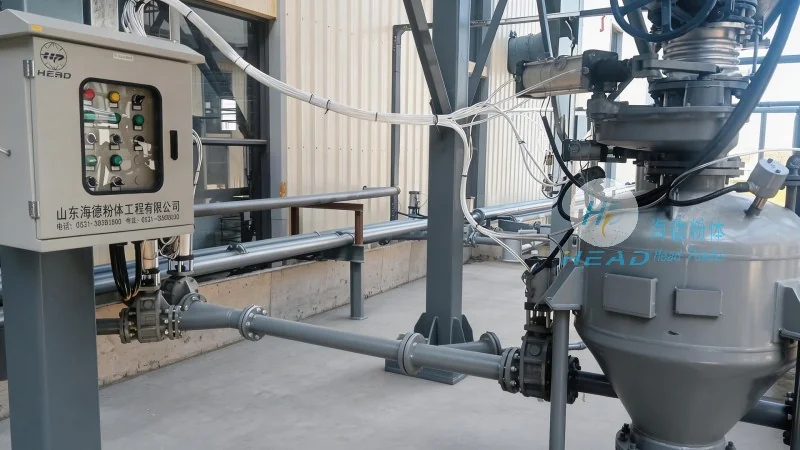
The Role of System Configuration and Material Handling in Blockage Prevention
The overall configuration of the pneumatic conveying system plays a vital role in preventing blockages. The design of the feeding mechanism, such as the use of rotary valves or feeders, is crucial to ensure a consistent and controlled flow of cotton fiber into the system. Inconsistent feeding can lead to surges or fluctuations in material flow, which may cause blockages. Similarly, the placement of expansion joints or bends in the pipeline should be optimized to minimize pressure losses and prevent material accumulation at these points. The inclusion of cleaning mechanisms, such as air cannons or vibrators, can also be beneficial in maintaining system performance by removing any buildup that may form over time. Furthermore, the moisture content of the cotton fiber must be monitored and controlled, as excessive moisture is a primary contributor to agglomeration and blockages. Implementing moisture control measures, such as drying processes before conveying, can significantly reduce the risk of blockages and improve overall system efficiency.
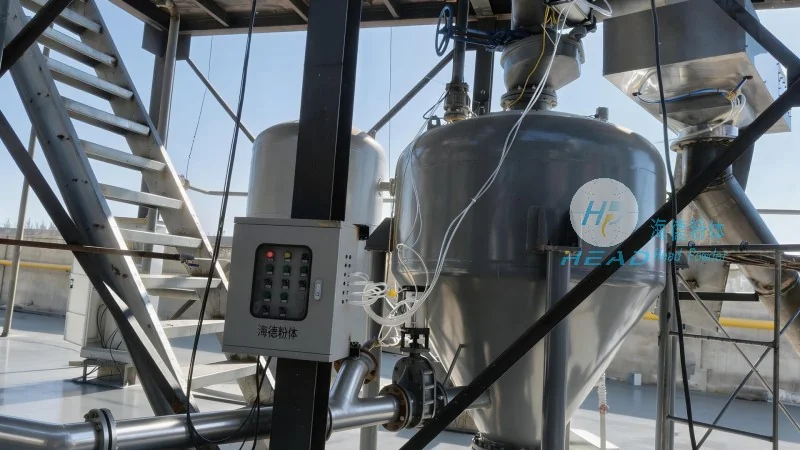
Case Study: Successful Implementation by Shandong HeadPowder Engineering Co., Ltd.
Shandong HeadPowder Engineering Co., Ltd., a leading provider of pneumatic conveying solutions, has successfully implemented systems to prevent pipeline blockages in cotton fiber transport for several clients. One notable project involved a textile mill in China that was experiencing frequent blockages in their existing pneumatic conveying system. The company conducted a thorough analysis of the system's design parameters, including air velocity, pressure, and pipeline diameter, and identified areas for improvement. By increasing the conveying velocity to 25 meters per second and using larger diameter pipelines (200mm), the system's pressure was optimized, and material flow was significantly improved. Additionally, the installation of PTFE-coated pipelines and regular moisture control measures reduced the risk of agglomeration. The result was a 90% reduction in blockage incidents and a corresponding decrease in downtime, leading to increased production efficiency and cost savings for the client. This case study highlights the importance of proper design and maintenance in preventing pipeline blockages and optimizing pneumatic conveying systems for cotton fiber transport.
Conclusion: Optimizing Pneumatic Conveying Systems for Cotton Fiber Transport
In conclusion, preventing pipeline blockages in pneumatic conveying systems for cotton fiber requires a comprehensive approach that considers multiple design parameters and operational factors. By focusing on air velocity, system pressure, pipeline diameter, material handling, and moisture control, manufacturers can significantly reduce the risk of blockages and ensure smooth, continuous operation. The expertise of companies like Shandong HeadPowder Engineering Co., Ltd. in designing and implementing such systems is invaluable for industries seeking to enhance their cotton fiber transport processes. With proper design and regular maintenance, pneumatic conveying systems can effectively handle cotton fiber while minimizing downtime and operational costs, contributing to overall production efficiency and profitability.