

Operation Process and Working Principle of Coal Ash Slag Pneumatic Conveying System
Coal ash slag, a byproduct of coal combustion in thermal power plants, requires efficient and reliable handling to ensure safe disposal and resource utilization. Pneumatic conveying systems offer a solution by transporting these materials through pipelines using air pressure, providing a dust-free and automated process. This article explores the operation process and working principle of such systems, highlighting their importance in modern industrial applications.
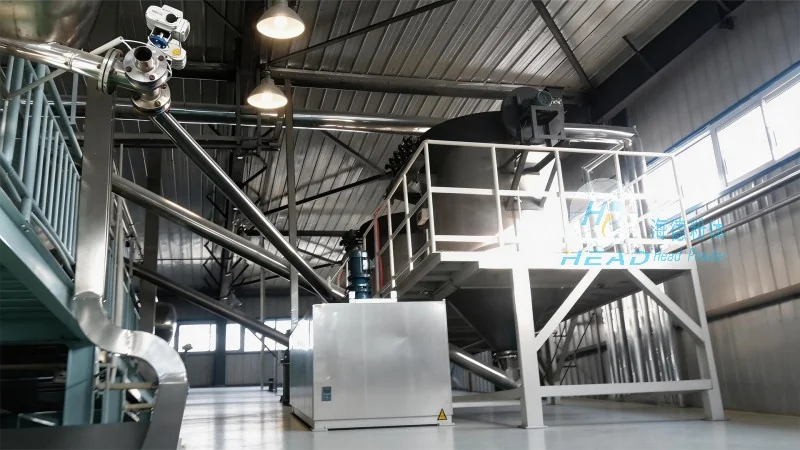
Overview of Pneumatic Conveying Systems for Coal Ash Slag
Pneumatic conveying systems are designed to transport bulk materials like coal ash slag from one location to another without the need for mechanical components like belts or buckets. The system operates by creating a pressure differential that propels the material through a network of pipes. HeadPowder, a leading manufacturer based in Shandong, China, specializes in developing customized solutions tailored to the unique challenges of coal ash slag handling.
Key Components of the Pneumatic Conveying System
The core components of a pneumatic conveying system for coal ash slag include the material hopper, air compressor, conveying pipeline, and receiving hopper. The material hopper stores the coal ash slag and feeds it into the system. The air compressor generates the necessary air pressure to move the material. The conveying pipeline transports the material from the source to the destination. The receiving hopper collects the material at the end of the pipeline. Each component plays a critical role in ensuring the system operates efficiently and safely.
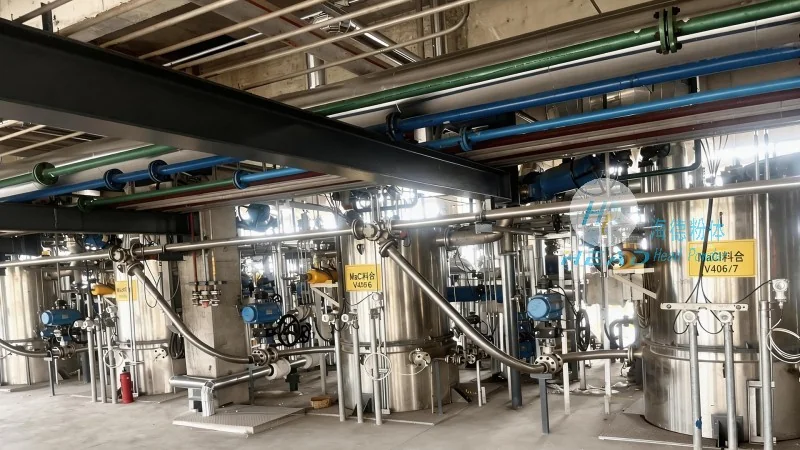
Operation Process of the Pneumatic Conveying System
The operation process of the pneumatic conveying system for coal ash slag involves several steps. First, the coal ash slag is loaded into the material hopper. The air compressor then starts, creating a high-pressure air flow. The air pressure forces the coal ash slag to move through the conveying pipeline. The material is transported to the receiving hopper, where it is collected. The system can operate continuously, ensuring a steady flow of material. HeadPowder's systems are designed to handle varying material flow rates and particle sizes, making them suitable for different industrial applications.
Working Principle of the Pneumatic Conveying System
The working principle of the pneumatic conveying system is based on the Bernoulli principle, which states that an increase in the speed of a fluid occurs simultaneously with a decrease in pressure or a decrease in the fluid's potential energy. In this system, the air compressor increases the air pressure, which then accelerates the air flow. The coal ash slag is mixed with the air and carried through the pipeline. The pressure differential between the inlet and outlet of the pipeline propels the material forward. The system can use either positive pressure or negative pressure (vacuum) to convey the material, depending on the application requirements. HeadPowder's systems are equipped with advanced control systems that optimize the air pressure and flow rate to ensure efficient material transport.
Advantages of Using Pneumatic Conveying Systems for Coal Ash Slag
Pneumatic conveying systems offer several advantages over traditional mechanical conveying methods. These include reduced labor costs, increased safety due to the enclosed system, and the ability to transport materials over long distances. The dust-free operation of the system minimizes environmental impact and improves workplace safety. Additionally, the system can handle materials with varying particle sizes and moisture content, making it versatile for different applications. HeadPowder's systems are designed to maximize these advantages, providing reliable and efficient solutions for coal ash slag handling.
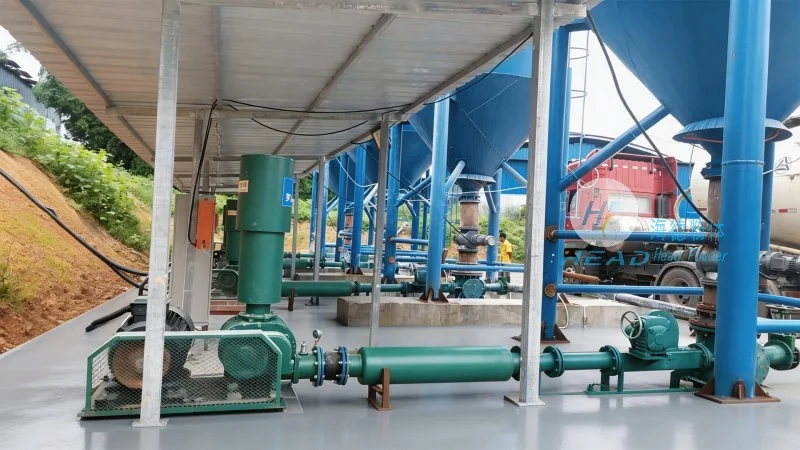
Customization and Application in Industrial Settings
HeadPowder provides customized pneumatic conveying systems tailored to the specific needs of each client. The company considers factors such as the material characteristics, conveying distance, and required flow rate when designing the system. For example, a thermal power plant may require a system to transport coal ash slag from the boiler to a storage facility, while a cement plant may need a system to convey ash for use as a raw material. HeadPowder's engineers work closely with clients to understand their requirements and develop a solution that meets their needs. The company's systems are installed in various industrial settings, including power plants, cement plants, and waste management facilities, demonstrating their effectiveness in different applications.
Conclusion and Company Information
Pneumatic conveying systems are an essential technology for handling coal ash slag, providing efficient, safe, and reliable transport solutions. HeadPowder, with its expertise in engineering and manufacturing, offers high-quality systems that meet the demands of modern industrial applications. Based in Shandong, China, HeadPowder is committed to providing customized solutions that enhance operational efficiency and reduce costs. The company's systems are designed to handle the unique challenges of coal ash slag, ensuring long-term performance and reliability. For businesses seeking to improve their coal ash slag handling processes, HeadPowder's pneumatic conveying systems are a reliable choice.