

Operation Process and Working Principle of Glass Powder Pneumatic Conveying System
For industries dealing with glass powder, efficient and reliable material handling is crucial. The pneumatic conveying system for glass powder, developed by Shandong HeadPowder Engineering Co., Ltd., offers a sophisticated solution that ensures smooth operation and optimal performance. This article delves into the operation process and working principle of such systems, providing a comprehensive understanding of how they function.
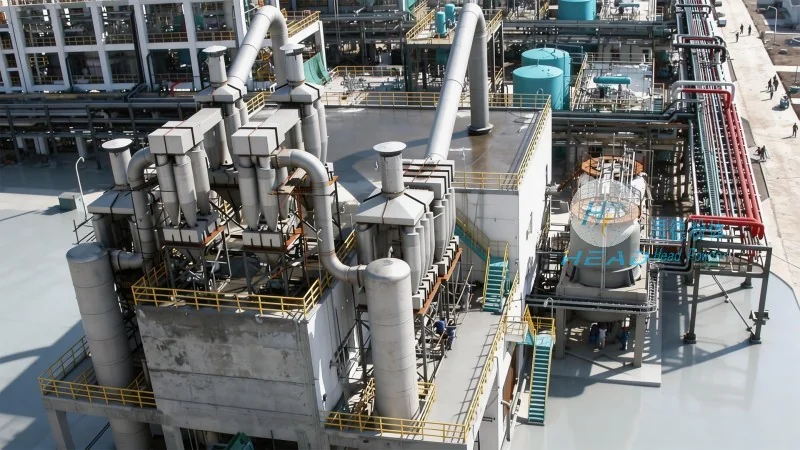
Overview of Glass Powder Pneumatic Conveying Systems
Glass powder pneumatic conveying systems are designed to transport fine glass particles through a pipeline using compressed air or other gas. These systems are widely used in glass manufacturing, where the handling of glass powders requires precision and minimal contamination. The system typically consists of several key components, including a hopper, a feeder, a conveying line, and a receiver. Each component plays a vital role in the overall operation, ensuring that glass powder is moved from the source to the destination efficiently.
Key Components and Their Functions
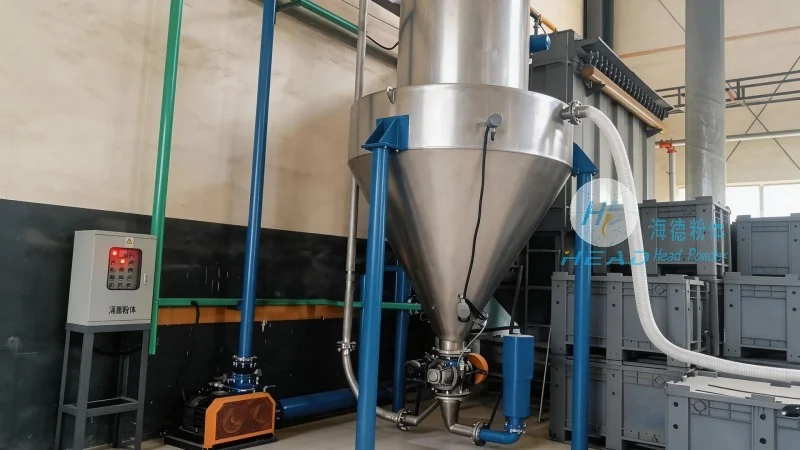
The effectiveness of a glass powder pneumatic conveying system depends on the proper integration of its components. The hopper serves as the storage vessel, holding the glass powder until it is needed. The feeder, often a rotary valve or a star feeder, controls the flow rate of the material into the conveying line. The conveying line, usually made of stainless steel or other corrosion-resistant materials, transports the glass powder and air mixture. The receiver collects the glass powder at the end of the line, separating it from the air. Shandong HeadPowder Engineering Co., Ltd. specializes in designing and manufacturing these components to meet the specific requirements of glass powder handling applications.
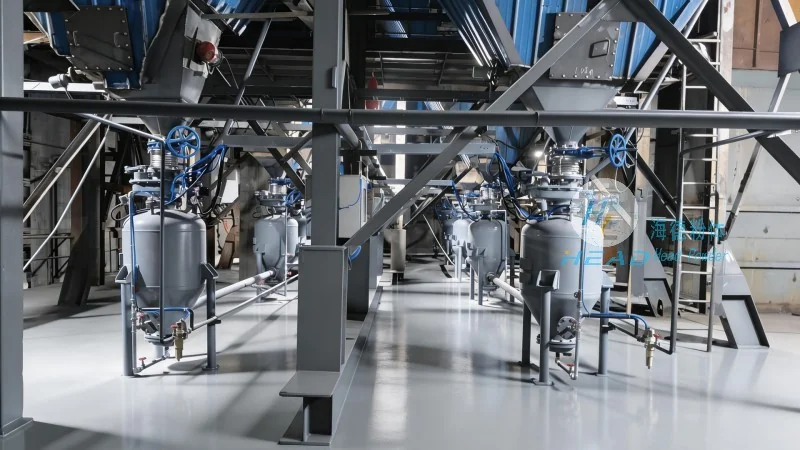
Operation Process of the Glass Powder Pneumatic Conveying System
The operation process of a glass powder pneumatic conveying system involves several sequential steps. First, the glass powder is loaded into the hopper. The feeder then regulates the flow of the powder into the conveying line. Compressed air is introduced into the system, creating a flow that pulls the glass powder particles along the pipeline. The air and powder mixture travels through the conveying line to the receiver, where the powder is separated from the air. The separated glass powder is then collected in the receiver, ready for further processing. The entire process is automated, with controls that monitor pressure, flow rate, and other parameters to ensure consistent performance.
Working Principle of the Pneumatic Conveying System
The working principle of a glass powder pneumatic conveying system is based on the principle of fluidization and transport. When compressed air is introduced into the conveying line, it creates a low-pressure zone that draws the glass powder particles into the air stream. The air flow velocity is maintained at a level that prevents particle segregation and ensures uniform transport. The system operates under negative pressure or positive pressure, depending on the application. In negative pressure systems, the air is drawn from the conveying line to the receiver, while in positive pressure systems, the air is forced through the line. Shandong HeadPowder Engineering Co., Ltd. designs systems that can be configured for either negative or positive pressure operation, providing flexibility for different industrial settings.
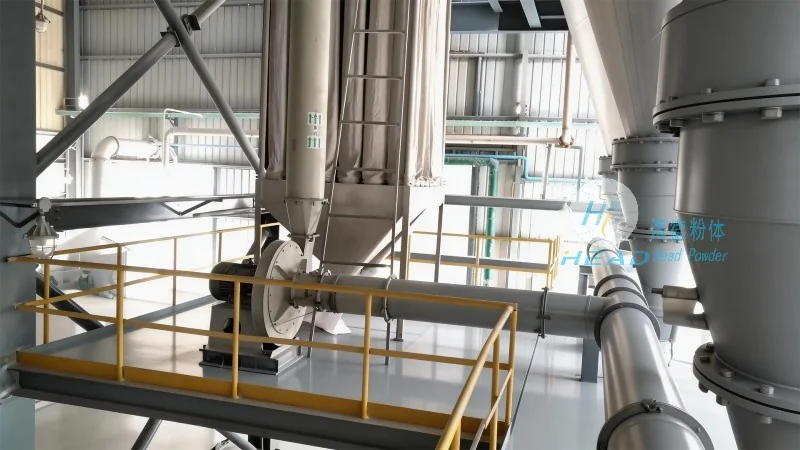
Advantages of Using Glass Powder Pneumatic Conveying Systems
Implementing a glass powder pneumatic conveying system offers several advantages over traditional methods like belt conveyors or manual handling. These systems are capable of transporting glass powder over long distances with minimal loss and contamination. They also reduce the risk of dust exposure, improving workplace safety. The automated nature of the system minimizes labor costs and increases operational efficiency. Additionally, the system can be easily integrated with other production processes, enhancing overall productivity. Shandong HeadPowder Engineering Co., Ltd. ensures that their systems are designed to maximize these benefits, providing customers with reliable and efficient material handling solutions.
Application Examples and Industries
Glass powder pneumatic conveying systems are widely used in various industries that require the handling of fine glass particles. These include glass manufacturing plants, where the system is used to transport raw glass powder from storage to the melting furnaces. It is also used in the production of glass products, such as bottles, jars, and other containers. Other applications include the handling of glass powders in research and development laboratories, where precision and cleanliness are critical. Shandong HeadPowder Engineering Co., Ltd. has successfully implemented these systems in numerous industrial settings, demonstrating their effectiveness and reliability in different applications.
Maintenance and Troubleshooting Tips
To ensure the long-term performance of a glass powder pneumatic conveying system, regular maintenance is essential. This includes cleaning the hopper and conveying line to prevent clogging, checking the air compressor and filters for proper operation, and inspecting the feeder and receiver for wear and tear. Shandong HeadPowder Engineering Co., Ltd. provides maintenance services and technical support to help customers keep their systems in optimal condition. Common issues that may arise include blockages in the conveying line, air leaks, or changes in pressure. Troubleshooting these issues typically involves checking the flow rate, inspecting the components for damage, and adjusting the system settings as needed.
Conclusion
Glass powder pneumatic conveying systems are a vital component in the glass manufacturing industry, offering efficient and reliable material handling solutions. The operation process and working principle of these systems, as explained by Shandong HeadPowder Engineering Co., Ltd., highlight the importance of proper design and integration of components. By understanding the key aspects of these systems, industries can improve their operational efficiency, reduce costs, and enhance workplace safety. Shandong HeadPowder Engineering Co., Ltd. continues to innovate and provide high-quality solutions for glass powder handling, contributing to the advancement of the glass manufacturing industry.