

Operation Process and Working Principle of Sodium Chloride Pneumatic Conveying System
For industries dealing with sodium chloride, efficient and reliable material handling is crucial. The pneumatic conveying system, specifically designed for sodium chloride, offers a solution that combines precision, safety, and adaptability. This article delves into the operation process and working principle of such a system, highlighting its benefits and the expertise of Shandong HeadPowder Engineering Co., Ltd. in implementing and maintaining these systems. The system is particularly advantageous for applications where traditional conveyor belts or bucket elevators may not be suitable, such as in environments with high dust or where the material is prone to caking. By utilizing air as the conveying medium, the system minimizes material degradation and ensures a clean, dust-free operation, which is essential for industries like food processing and pharmaceutical manufacturing.
Working Principle of the Pneumatic Conveying System
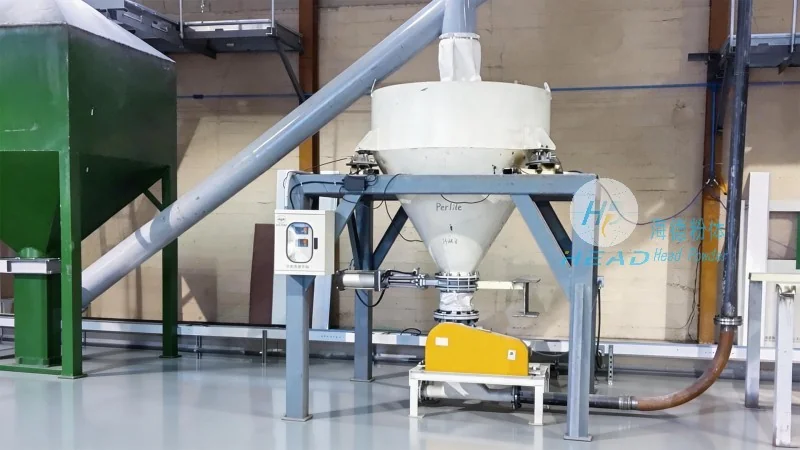
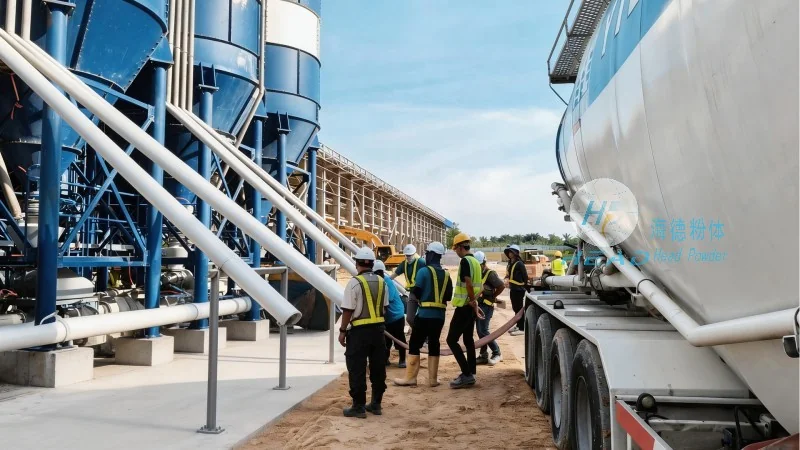
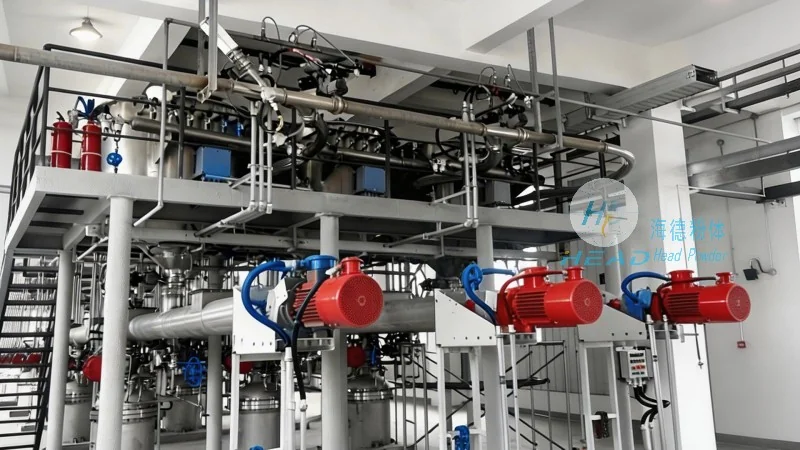
The core of a sodium chloride pneumatic conveying system lies in its ability to transport dry bulk materials like sodium chloride through a pipeline using air or gas. The system operates on the principle of creating a pressure differential within the pipeline. There are two primary types of pneumatic conveying systems: positive pressure and negative pressure. In positive pressure systems, a fan or blower generates high-pressure air that pushes the material through the pipeline. This method is commonly used for sodium chloride due to its effectiveness in handling abrasive and fine particles. The system typically includes a hopper for material storage, a feeder to control the flow rate, a pipeline network, a separator to separate the material from the air, and a collection bin for the material. The air, carrying the sodium chloride particles, is then filtered and discharged, while the material is collected for further processing. The positive pressure system ensures that the material is continuously pushed forward, preventing backflow and maintaining a consistent flow rate. The air flow rate is carefully controlled to match the material flow rate, which is critical for preventing blockages and ensuring efficient transport.
Operation Process of the System
The operation of a sodium chloride pneumatic conveying system involves several key steps, each critical to ensuring smooth and efficient material transport. First, the sodium chloride is loaded into the storage hopper. The hopper is equipped with a level indicator to monitor the material level, ensuring it does not run out during operation. This step is crucial to prevent interruptions in the supply chain and maintain production continuity. Next, the feeder, usually a rotary valve or a screw feeder, is activated to control the flow rate of the material into the pipeline. The feeder is synchronized with the air flow to maintain a consistent material-air ratio, which is essential for preventing blockages and ensuring uniform transport. The feeder is designed to handle the specific characteristics of sodium chloride, such as its density and flowability, to ensure smooth operation. The air is then supplied by a high-pressure fan or blower, which creates the necessary pressure to push the material through the pipeline. The fan is typically a centrifugal type, capable of delivering high airflow at the required pressure. The pipeline network is designed with appropriate bends and valves to direct the material to the desired destination, such as a storage silo or a processing unit. The pipeline is made of materials resistant to corrosion and abrasion, such as stainless steel or PVC, to withstand the handling of sodium chloride. At the receiving end, a separator, often a cyclone or a bag filter, separates the sodium chloride from the air. The separator is designed to capture fine particles and prevent them from being released into the environment. The separated material is collected in a bin, which is then used for further processing or storage. The system also includes a control panel that monitors parameters like pressure, flow rate, and material level, allowing operators to adjust settings in real-time to optimize performance. The control panel may include alarms and indicators to alert operators of any issues, such as low material levels or high pressure, ensuring prompt action can be taken to prevent system downtime. Regular maintenance, including cleaning the pipeline and replacing filters, is essential to prevent clogging and ensure the system operates efficiently over time. This maintenance schedule is typically determined based on the system's usage and the characteristics of the material being handled.