

Operation Process and Working Principle of White Clay Pneumatic Conveying System
White clay, a critical raw material in industries such as ceramics, paper manufacturing, and construction, demands efficient and reliable transportation to maintain smooth production workflows. Pneumatic conveying systems have become a preferred solution due to their ability to transport materials in a dust-free, controlled environment. This article explores the operation process and working principle of a white clay pneumatic conveying system, highlighting the technical aspects and operational efficiency of advanced engineering solutions.
About Shandong HeadPowder Engineering Co., Ltd.
Headpowder, a leading manufacturer in material handling equipment, specializes in designing and supplying customized pneumatic conveying systems tailored to industrial needs. With a commitment to quality and innovation, the company has established itself as a trusted partner for businesses seeking efficient material transport solutions. Headpowder integrates cutting-edge technology with practical engineering to deliver systems that enhance productivity, reduce operational costs, and meet industry standards. The company operates from Shandong, China, leveraging local expertise to support global clientele.
Key Components of a White Clay Pneumatic Conveying System
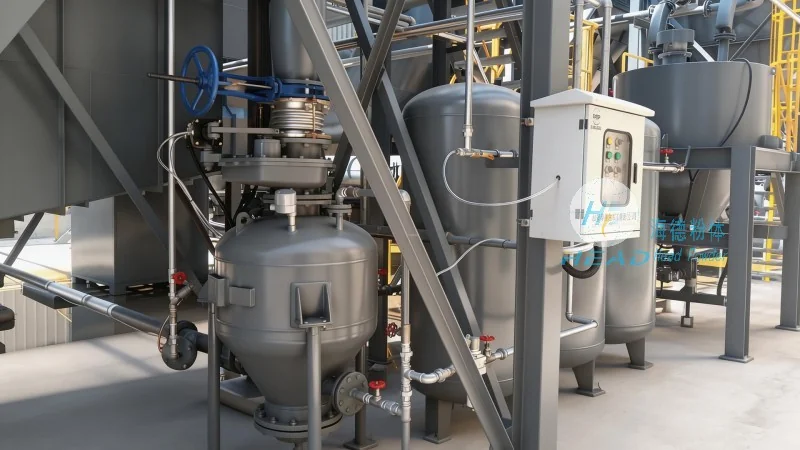
A typical white clay pneumatic conveying system includes essential components working in unison: the material hopper, feeder, air compressor, conveying line, and receiving hopper. The material hopper stores and prepares white clay for transport. The feeder (rotary valve or screw type) regulates material flow into the conveying line. The air compressor generates compressed air to propel the material. The conveying line, often made of corrosion-resistant materials, transports the white clay-air mixture. The receiving hopper collects material at the destination, completing the cycle.
The Operation Process of White Clay Pneumatic Conveying
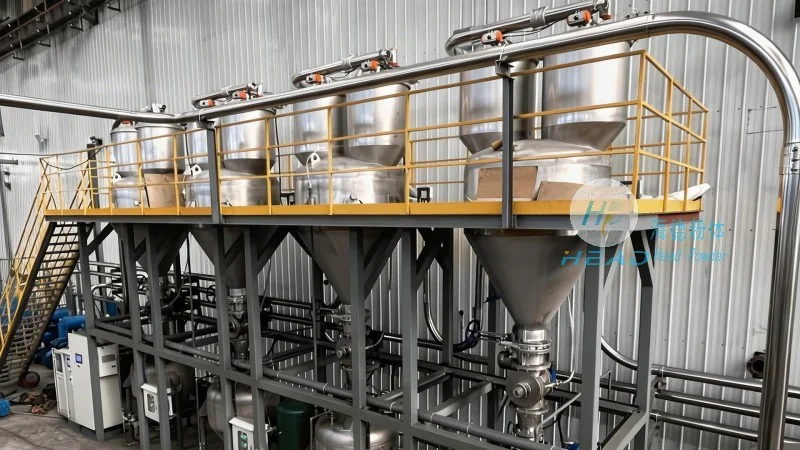
The operation begins with loading white clay into the hopper. The feeder releases material into the conveying line as the air compressor activates, generating compressed air. This air creates a pressure differential, propelling the white clay through the system. The material mixes with air, traveling to the receiving hopper. The receiving hopper collects material, while air is filtered or vented. This continuous cycle ensures seamless, uninterrupted transport, minimizing downtime and maximizing productivity.
Working Principle of Pneumatic Conveying for White Clay
The system operates on the principle of using air as a transport medium. For white clay, pressure systems are common, leveraging positive air pressure to move material over long distances. The air compressor maintains a higher pressure at the source, creating a gradient that pushes the material forward. Efficiency depends on air velocity, material size, and line design—proper velocity ensures full material entrainment, preventing blockages. At the receiving end, cyclones or filters separate material from air, enabling recycling or safe disposal.
Advantages of Pneumatic Conveying for White Clay Handling
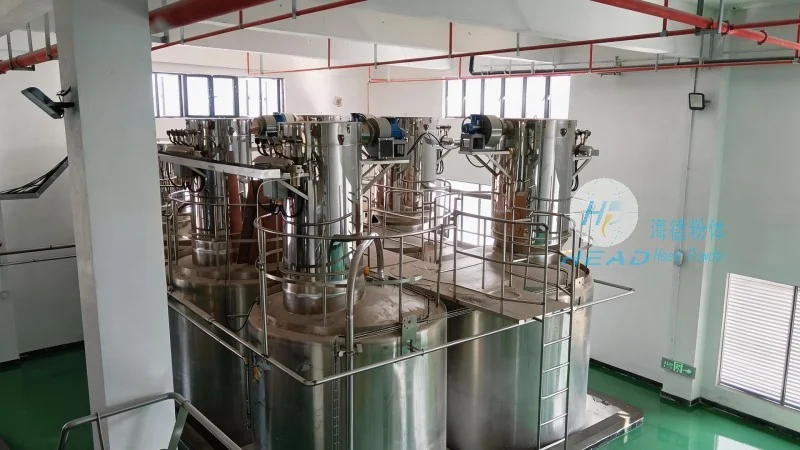
Pneumatic systems offer several benefits over traditional methods. They provide a dust-free environment, enhancing workplace safety and reducing respiratory risks. The system minimizes material degradation by avoiding mechanical contact, preserving white clay integrity. Manual handling is reduced, improving efficiency and cutting labor costs. The system is adaptable for long distances and complex layouts, with adjustable flow and pressure for optimal performance under varying conditions.
Customization and Integration Capabilities
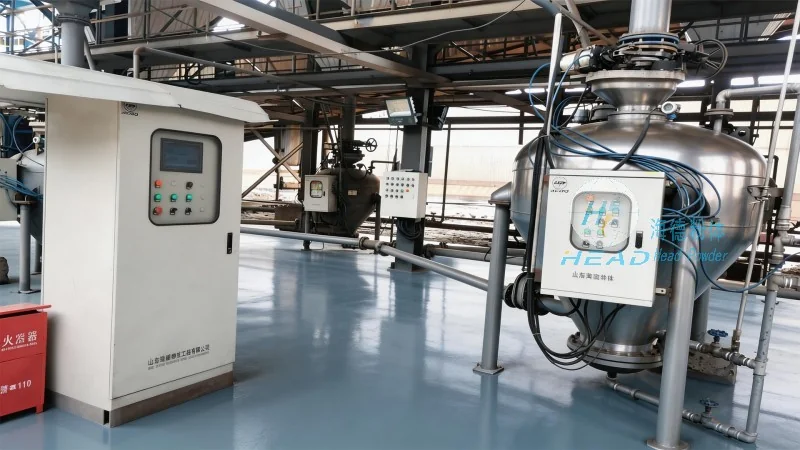
Headpowder offers customized systems tailored to client needs. The company collaborates with clients to understand material characteristics, transport distances, and operational constraints, then designs a system to meet these requirements. Customization includes material selection for components, integration of drying or conditioning units, and monitoring systems. Advanced simulation tools model system performance for optimization. Headpowder provides installation and commissioning services, ensuring seamless integration into existing infrastructure.
Conclusion and Future Outlook
In summary, the operation process and working principle of a white clay pneumatic conveying system represent a sophisticated, efficient solution for material handling. The system’s dust-free transport, high efficiency, and adaptability make it ideal for modern industries. Headpowder, with its expertise in customized systems, continues to support clients reliant on white clay. As technology advances, the company remains committed to innovation, improving systems to meet evolving market demands and ensure clients achieve optimal performance and cost savings through advanced material handling solutions.