HeadPowder, a leading provider of industrial material handling solutions, specializes in the design, manufacturing, and installation of advanced pneumatic conveying systems. Based in Shandong, China, the company has established itself as a trusted partner for clients seeking efficient and reliable systems for transporting high-alumina fly ash and other bulk materials. This article delves into the operation process and working principle of a high-alumina fly ash pneumatic conveying system, highlighting the key components, operational steps, and technical advantages that make such systems ideal for modern industrial applications.
Overview of High-Alumina Fly Ash Pneumatic Conveying Systems
High-alumina fly ash, a byproduct of coal combustion in thermal power plants, is a valuable material used in various industrial applications, including cement production, concrete manufacturing, and refractory materials. Conventional methods of transporting this material, such as belt conveyors or bucket elevators, often face challenges like material degradation, dust generation, and operational inefficiencies. Pneumatic conveying systems offer a superior alternative by utilizing air as the conveying medium, enabling the transport of high-alumina fly ash in a dust-free, controlled environment. These systems are particularly suitable for high-alumina fly ash due to its fine particle size and abrasive nature, which can cause wear and tear on traditional equipment.
Key Components of the Pneumatic Conveying System
The high-alumina fly ash pneumatic conveying system consists of several critical components that work in tandem to ensure efficient material transport. The main components include the material hopper, feeder, air compressor, conveying line, and discharge unit. Each component plays a vital role in the overall operation of the system.
Material Hopper and Feeder
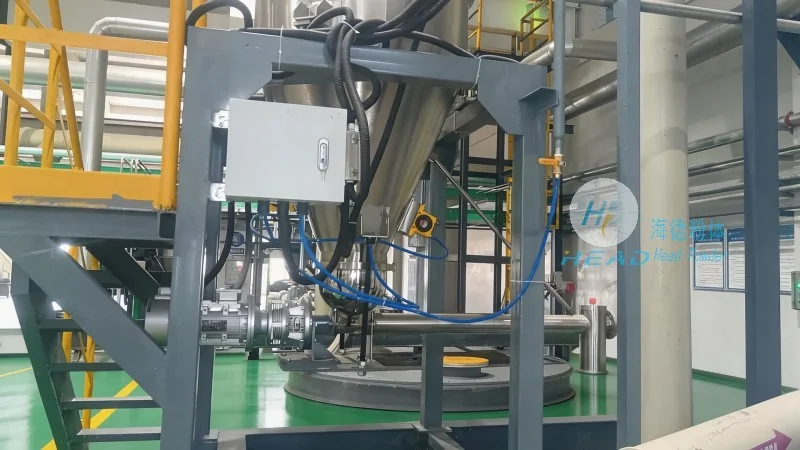
The material hopper is the initial storage container where high-alumina fly ash is stored before being conveyed. It is typically designed with a conical or rectangular shape to facilitate uniform material flow. The feeder, often a rotary valve or a screw feeder, is responsible for controlling the flow rate of the fly ash from the hopper into the conveying line. Precise control of the feed rate is crucial to maintain a stable and consistent flow of material, preventing blockages or uneven transport.
Air Compressor and Conveying Line
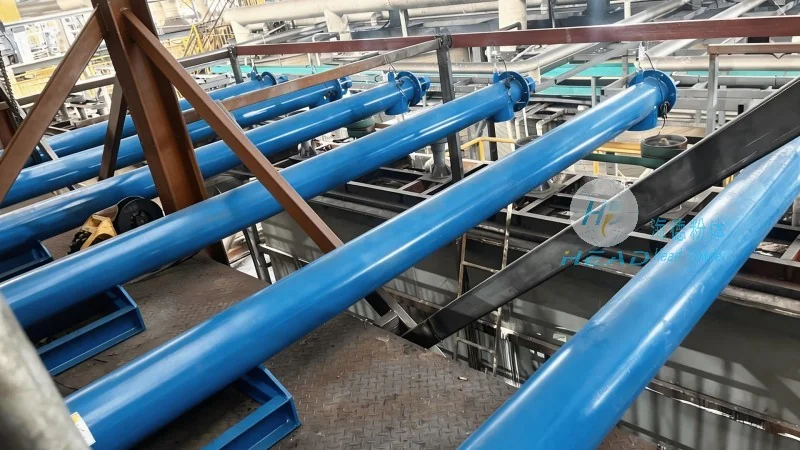
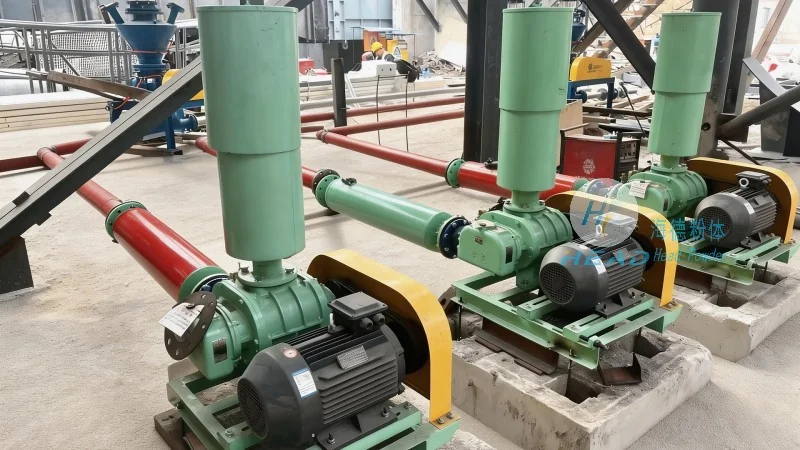
The air compressor is the heart of the pneumatic conveying system, providing the necessary pressure and airflow to move the high-alumina fly ash particles through the conveying line. The compressor generates high-pressure air, which is then directed into the conveying line. The conveying line, usually made of stainless steel or other corrosion-resistant materials, is designed to withstand the abrasive nature of the high-alumina fly ash. The line may include bends, elbows, and expansion joints to accommodate changes in direction and prevent material buildup or pressure loss.
Discharge Unit and Control System
The discharge unit is the final component of the system where the high-alumina fly ash is released into its destination, such as a storage silo or a processing unit. It is typically equipped with a rotary valve or a gate valve to control the discharge rate. The control system, which may include sensors and automation equipment, monitors the pressure, flow rate, and temperature within the system, ensuring optimal performance and preventing operational issues. This system allows for real-time adjustments to maintain the desired conveying conditions.
Operation Process of the High-Alumina Fly Ash Pneumatic Conveying System
The operation of the high-alumina fly ash pneumatic conveying system follows a systematic process that ensures efficient and reliable transport of the material. The process begins with the loading of high-alumina fly ash into the material hopper. The feeder then starts to discharge the material at a controlled rate into the conveying line. Simultaneously, the air compressor activates and supplies high-pressure air into the line. The air and material mixture travels through the conveying line, with the air providing the necessary force to move the particles. At the discharge end, the material is separated from the air and collected in the destination container. The control system continuously monitors the system parameters, adjusting the air pressure or feed rate as needed to maintain stable operation.
Working Principle of the Pneumatic Conveying System
The working principle of the high-alumina fly ash pneumatic conveying system is based on the fundamental concept of fluidization and particle transport. When high-pressure air is introduced into the conveying line, it creates a low-pressure zone that draws the high-alumina fly ash particles into the line. The air and particles form a suspension, where the air acts as the carrier medium. The velocity of the air is maintained above the minimum conveying velocity, which is the speed required to keep the particles suspended and prevent them from settling. This velocity is determined by the particle size, density, and air pressure. The system operates in either positive pressure or negative pressure mode, depending on the application. Positive pressure systems are commonly used for long-distance or horizontal transport, while negative pressure systems are suitable for short-distance or vertical transport.
Advantages of High-Alumina Fly Ash Pneumatic Conveying Systems
High-alumina fly ash pneumatic conveying systems offer several advantages over traditional material handling methods. These include dust-free operation, which reduces environmental pollution and improves workplace safety. The systems also provide a high degree of control over the material flow, ensuring consistent and uniform transport. Additionally, pneumatic conveying systems are less prone to material degradation compared to mechanical systems, as the material is not subjected to friction or impact. The compact design of these systems saves space in industrial facilities, making them ideal for applications with limited floor space. Furthermore, the systems are easy to maintain and can be integrated with other industrial processes, enhancing overall operational efficiency.
Applications and Industries
High-alumina fly ash pneumatic conveying systems are widely used in various industries that require the transport of bulk materials. The primary application is in the cement and concrete industry, where high-alumina fly ash is used as a supplementary cementitious material. Other industries that benefit from these systems include refractory manufacturing, power generation, and chemical processing. The systems are also used in research and development facilities for transporting fine powders and granules. The versatility of the high-alumina fly ash pneumatic conveying system makes it suitable for a wide range of applications, from small-scale laboratory operations to large-scale industrial production.
Conclusion
HeadPowder's high-alumina fly ash pneumatic conveying systems represent a cutting-edge solution for the efficient and reliable transport of high-alumina fly ash. By understanding the operation process and working principle of these systems, industrial clients can make informed decisions about implementing such technology in their facilities. The systems offer significant advantages in terms of efficiency, safety, and environmental compliance, making them a preferred choice for modern industrial applications. With its headquarters in Shandong, China, HeadPowder continues to innovate and provide high-quality material handling solutions to meet the evolving needs of the industry.




