Efficient handling of fine powders such as silica fume is crucial in various industrial applications, particularly in the construction and cement sectors. Pneumatic conveying systems have emerged as a reliable and efficient method for transporting these materials over long distances and within complex industrial setups. This article provides a detailed overview of the operation process and working principle of a silica fume pneumatic conveying system, highlighting the key components, operational steps, and the underlying technology that ensures smooth and safe material transport.
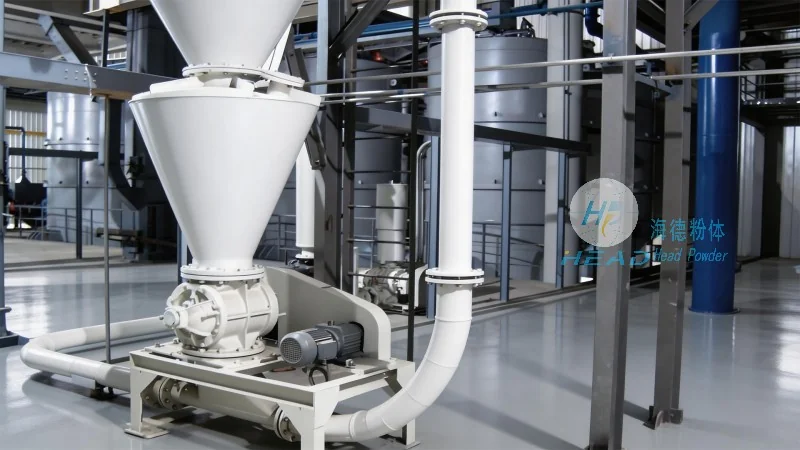
Company Profile: Shandong HeadPowder Engineering Co., Ltd.
Shandong HeadPowder Engineering Co., Ltd., commonly known as headpowder, is a leading engineering firm based in Shandong, China. With years of experience in the design, manufacturing, and installation of pneumatic conveying systems, the company specializes in providing customized solutions for handling fine powders like silica fume. Headpowder's expertise lies in integrating advanced technology with practical engineering to deliver systems that meet the specific needs of clients, ensuring high efficiency, reliability, and safety in material transport operations.
Overview of Silica Fume Pneumatic Conveying Technology
Silica fume, also known as microsilica, is a byproduct of silicon metal or ferrosilicon production, consisting of highly fine, amorphous silicon dioxide particles. Due to its fine particle size and high reactivity, silica fume is widely used as a supplementary cementitious material in concrete, enhancing its strength and durability. Traditional handling methods for silica fume, such as manual loading or mechanical conveying, often face challenges like dust generation, material loss, and operational inefficiencies. Pneumatic conveying systems offer a solution by using compressed air to transport the fine powder through a network of pipes, eliminating the need for manual handling and reducing the risk of contamination and environmental impact.
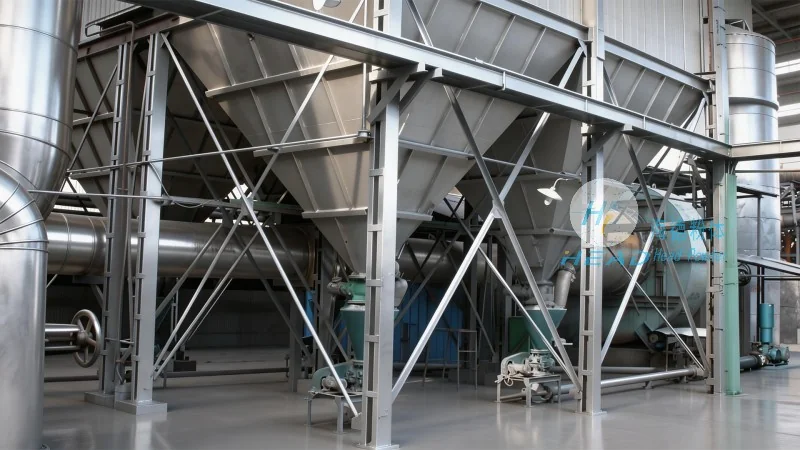
Detailed Operation Process of the System
The operation of a silica fume pneumatic conveying system involves several sequential steps that ensure the smooth and controlled transport of the material. The process typically begins with the loading of silica fume into a storage silo. From the silo, the material is fed into the conveying system using a rotary valve or a screw feeder, which regulates the flow rate and ensures a consistent supply of material. Compressed air is then introduced into the system, creating a flow that lifts and transports the silica fume particles through the conveying pipes. The air and material mixture travels through the pipeline network, which may include bends, expansions, and other components designed to maintain the flow velocity and prevent particle deposition. At the receiving end, the material is separated from the air using a cyclone separator or a filter system, allowing the silica fume to be deposited into a designated container or storage area. The air, now free of particles, is then discharged or recirculated back into the system, completing the cycle.
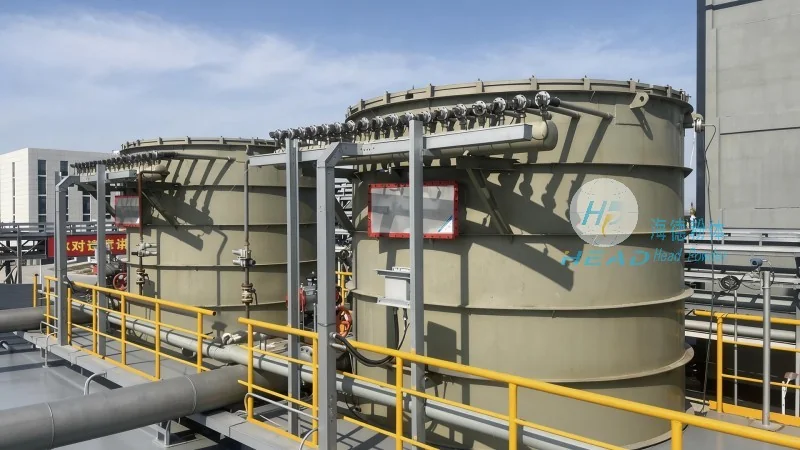
Working Principle of the Pneumatic Conveying System
The working principle of a pneumatic conveying system is based on the physics of fluid dynamics and particle suspension. When compressed air is introduced into the conveying pipe, it creates a high-velocity flow that generates sufficient lift force to suspend the silica fume particles. The key to efficient conveying is maintaining a flow velocity that is above the minimum fluidization velocity of the particles, ensuring that they remain suspended and do not settle out of the air stream. The system operates under either positive pressure (pressure conveying) or negative pressure (vacuum conveying), depending on the application requirements. In positive pressure systems, air is blown into the system, pushing the material forward, while in negative pressure systems, air is drawn out, pulling the material along. The choice between the two depends on factors such as the distance to be covered, the amount of material to be transported, and the need to minimize dust emissions.
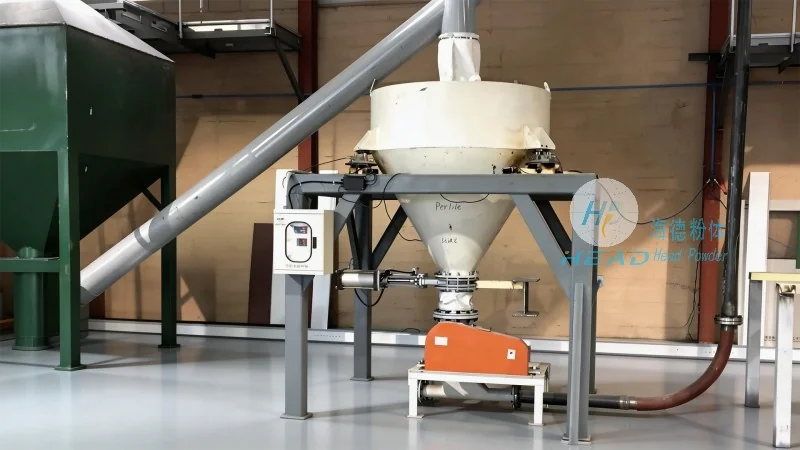
Key Components and Their Functions
A silica fume pneumatic conveying system consists of several critical components, each playing a vital role in the overall operation. The primary components include the storage silo, which stores the silica fume and provides a buffer for material supply; the feeder, which controls the flow rate of the material from the silo to the conveying system; the conveying pipes, which form the main transport pathway for the material and air; the cyclone separator or filter, which separates the material from the air at the receiving end; and the air compressor or vacuum pump, which provides the necessary air pressure or vacuum for conveying. Additionally, the system may include control valves, pressure sensors, and monitoring equipment to regulate the flow and ensure safe operation. Each component is designed to work in harmony, ensuring that the material is transported efficiently and without loss or contamination.
Application Scenarios and Benefits
Silica fume pneumatic conveying systems are widely used in various industrial applications where fine powders need to be transported over long distances or within complex facilities. In the construction industry, these systems are commonly used to transport silica fume to concrete mixing plants, ensuring a consistent supply of the material for high-performance concrete production. In the cement industry, they are used to convey silica fume from storage silos to cement grinding mills, enhancing the quality of the final product. The benefits of using pneumatic conveying systems for silica fume handling include improved safety by eliminating manual handling, reduced dust emissions and environmental impact, increased efficiency and productivity by minimizing material loss and downtime, and enhanced product quality by preventing contamination. Additionally, these systems are designed to be flexible and scalable, allowing them to adapt to changing production needs and future expansion requirements.




