

Operation Process and Working Principle of Sodium Chlorate Pneumatic Conveying System
The sodium chlorate pneumatic conveying system is a critical piece of industrial equipment designed for the efficient and safe transport of sodium chlorate, a key chemical used in various applications such as bleaching agents, disinfectants, and in the production of other chemical compounds. This system combines pneumatic technology with specialized components to ensure reliable material handling, minimizing the risk of dust exposure and ensuring consistent product quality. The following sections will detail the operational process and the underlying principles that make this system effective.
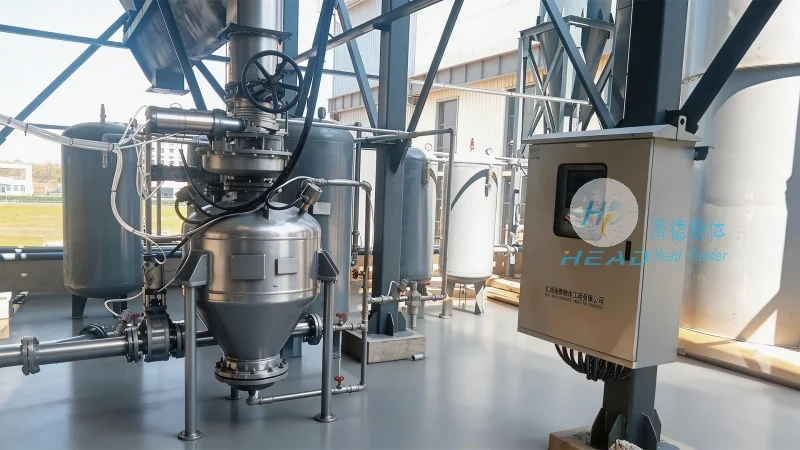
Key Components of the Pneumatic Conveying System
At the core of the sodium chlorate pneumatic conveying system are several essential components that work in tandem to facilitate material transport. These include the hopper or feed bin, which stores the sodium chlorate; the air compressor or blower that generates the necessary airflow; the conveying line, typically made of stainless steel or other corrosion-resistant materials to handle the chemical properties of sodium chlorate; and the control system that regulates the flow of material and air. Additionally, the system may incorporate filters, cyclones, and dust collectors to manage air quality and prevent contamination. Each component is carefully selected to withstand the corrosive nature of sodium chlorate and to maintain operational efficiency over time.
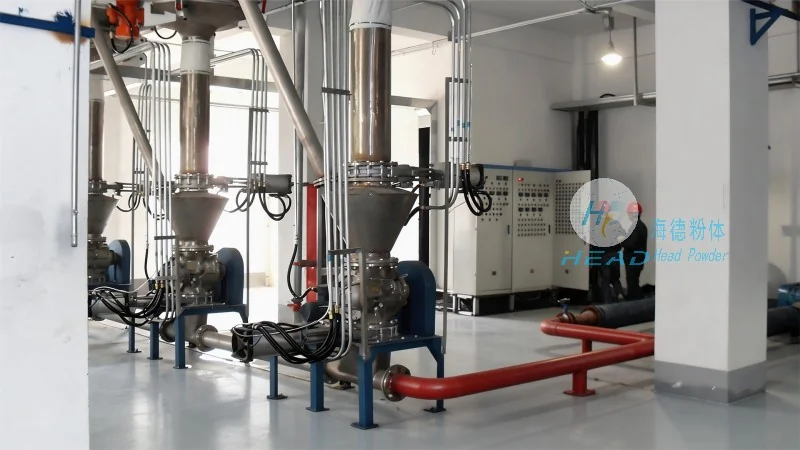
Working Principle of the Pneumatic Conveying Process
The operation of the sodium chlorate pneumatic conveying system is based on the principle of pneumatic transport, where solid particles are suspended and transported by a moving air stream. The process begins with the material being discharged from the hopper into the conveying line under the influence of the air flow generated by the compressor. The air velocity is maintained at a level sufficient to keep the sodium chlorate particles in suspension, preventing them from settling or clogging the system. As the material travels through the conveying line, it is transported to the destination point, such as a storage silo or processing unit. The system may use either positive or negative pressure, depending on the specific application and layout of the facility. Positive pressure systems push the material through the line using compressed air, while negative pressure systems create a vacuum to draw the material from the source. The choice of pressure type is determined by factors such as the distance to be covered, the height of the conveying line, and the need to minimize air leakage and contamination.
Operational Process: Step-by-Step Execution
The operational process of the sodium chlorate pneumatic conveying system involves several sequential steps that ensure smooth and efficient material handling. First, the system is initiated by opening the feed valve, which allows sodium chlorate to enter the conveying line. Simultaneously, the air compressor is activated, generating the required airflow. The material is then drawn into the line by the air stream, and the control system monitors the flow rate and pressure to maintain optimal conditions. As the material is conveyed, the system may include intermediate points for monitoring, such as pressure sensors or flow meters, to detect any deviations or blockages. If an issue is detected, the control system automatically adjusts the airflow or stops the feed to prevent damage to the equipment. Upon reaching the destination, the material is discharged into the receiving container, and the air flow is adjusted to ensure complete emptying of the conveying line. Finally, the system is shut down by closing the feed valve and turning off the air compressor, completing the operational cycle.
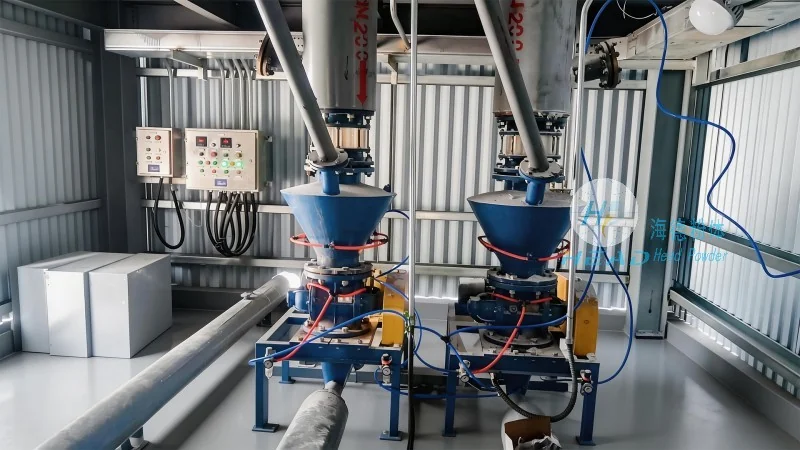
Advantages and Considerations for Sodium Chlorate Pneumatic Conveying
Implementing a sodium chlorate pneumatic conveying system offers several advantages over traditional bulk material handling methods. These include reduced labor costs due to automated operation, improved safety by minimizing direct contact with the chemical, and enhanced product quality through consistent and controlled transport. However, the system also requires careful consideration of several factors to ensure optimal performance. These include the selection of appropriate materials for the conveying line to prevent corrosion, the maintenance of proper air filtration to avoid dust accumulation, and the regular inspection of components to detect wear and tear. Additionally, the system's design must account for the specific properties of sodium chlorate, such as its hygroscopic nature and potential for dust explosion, to ensure compliance with safety regulations. By addressing these considerations, the system can operate reliably and efficiently, providing consistent performance over its service life.