Carbon fiber pneumatic conveying systems represent a sophisticated technology in material handling, designed to efficiently transport carbon fiber materials through an air-based system. These systems are integral to industries where precision and reliability in material movement are critical, such as aerospace, automotive, and advanced manufacturing sectors. The operation of such systems involves a series of steps that ensure the safe and effective transfer of carbon fiber from one location to another, leveraging the principles of fluid dynamics and mechanical engineering.
Key Components and Their Roles
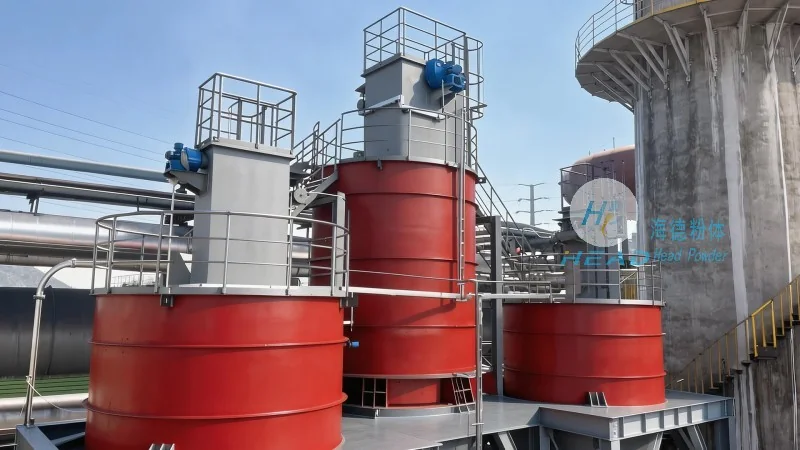
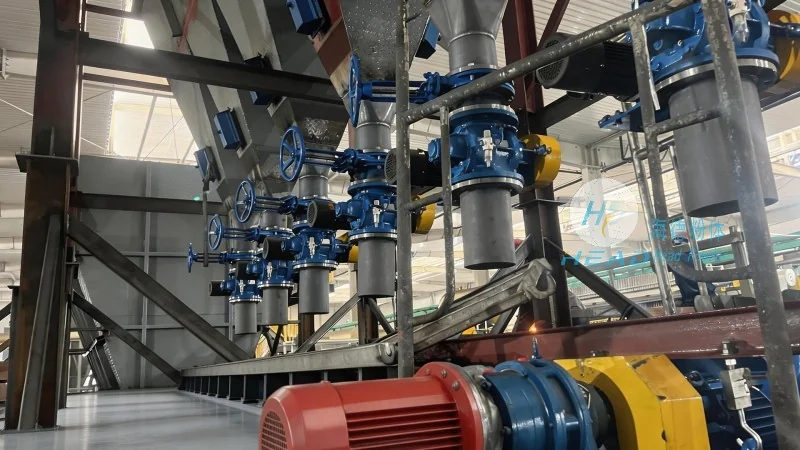
At the core of a carbon fiber pneumatic conveying system are several key components that work in tandem to facilitate the material transfer process. The primary components include the material hopper, which serves as the storage and feeding unit for the carbon fiber. This hopper is equipped with a feeder mechanism, typically a rotary valve or a screw feeder, that controls the flow rate of the material into the system. The feeder ensures a consistent and controlled supply of carbon fiber, preventing blockages and maintaining system efficiency.
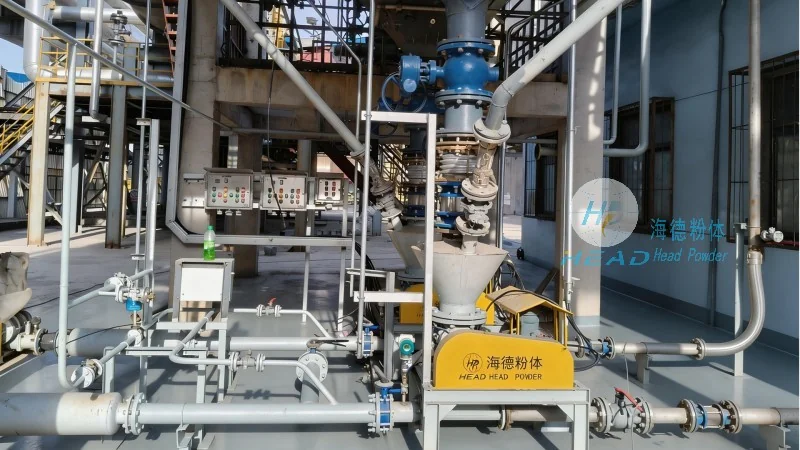
Next, the conveying line, which consists of a series of pipes or ducts, is the pathway through which the carbon fiber travels. The design of these pipes is crucial, as they must withstand the abrasive nature of carbon fiber while minimizing pressure losses. The system may incorporate bends, elbows, or other fittings that direct the material flow, and these are often lined with materials that reduce wear and tear. Additionally, the conveying line is connected to a blower or a positive displacement pump, which generates the necessary air pressure to move the material. The blower is responsible for creating the airflow that propels the carbon fiber particles through the system, and its capacity and pressure are tailored to the specific characteristics of the carbon fiber being transported.
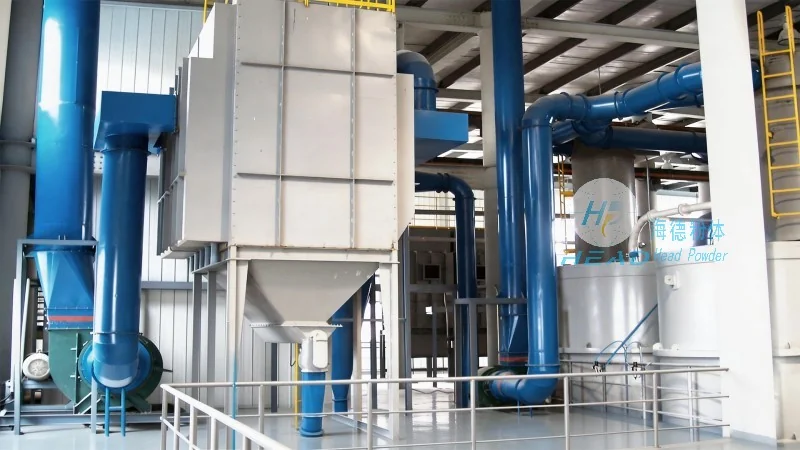
Another critical component is the receiver or discharge hopper, where the carbon fiber is deposited at its destination. This component is designed to handle the material's arrival and may include a silo or a storage bin to accommodate the received carbon fiber. The receiver is often equipped with a discharge valve or a conveyor system to transfer the material to the final processing or storage area. In some systems, a filter or a dust collector may be integrated to capture any fine particles or dust generated during the conveying process, ensuring environmental compliance and maintaining air quality.
Working Principle of Pneumatic Conveying
The working principle of a carbon fiber pneumatic conveying system is based on the use of air as the conveying medium. The process begins with the material being fed from the hopper into the conveying line. The feeder mechanism ensures a steady flow of carbon fiber, which is then introduced into the pipe along with the air stream generated by the blower. As the air flows through the system, it entrains the carbon fiber particles, creating a slurry-like mixture known as a "pneumatic stream." The air velocity within the pipe is maintained at a level sufficient to keep the particles suspended and moving forward, preventing them from settling or depositing within the system.
The pressure and velocity of the air are carefully controlled to ensure optimal conveying efficiency. If the air velocity is too low, the carbon fiber particles may settle and cause blockages or system inefficiencies. Conversely, if the velocity is too high, it can lead to excessive wear on the system components and increased energy consumption. The system's design, including the size of the pipes, the number of bends, and the blower's capacity, is optimized to achieve the right balance between these factors.
As the pneumatic stream travels through the conveying line, it may encounter various components such as filters, silos, or control valves. These components are integrated to regulate the flow, separate any contaminants, and ensure the material is delivered to the receiver in a controlled manner. The receiver then collects the carbon fiber, and the system may include a venting or cleaning mechanism to remove any residual air or particles, preparing the system for the next cycle of operation.
Operation Process: Step-by-Step Overview
The operation of a carbon fiber pneumatic conveying system follows a systematic process that ensures smooth and continuous material transfer. The process typically begins with the preparation of the system, which involves checking the integrity of all components, ensuring the blower is properly lubricated, and verifying that the material hopper is filled with the appropriate carbon fiber. Once the system is ready, the feeder mechanism is activated, and the carbon fiber is fed into the conveying line at a controlled rate.
Simultaneously, the blower is started, and the air flow is initiated. The air stream then picks up the carbon fiber particles from the hopper and carries them through the conveying line. The system's control system monitors the pressure and flow rates, adjusting the feeder speed or blower output as needed to maintain optimal operation. This real-time monitoring ensures that the system operates efficiently and prevents any potential issues such as overloading or under-conveying.
As the carbon fiber reaches the receiver, the discharge valve is activated, and the material is deposited into the receiver hopper. The receiver may then transfer the material to a storage bin or a processing line, depending on the downstream application. After the material has been transferred, the system may undergo a cleaning cycle to remove any residual particles from the pipes and components. This cleaning process is essential to maintain the system's performance and prevent clogging or wear over time.




