

Operation Process and Working Principle of Cotton Seed Pneumatic Conveying System
Understanding the operation process and working principle of a cotton seed pneumatic conveying system is crucial for optimizing the efficiency and reliability of cotton seed handling in agricultural and industrial applications. Developed by Shandong HeadPowder Engineering Co., Ltd. (headpowder), a renowned manufacturer specializing in pneumatic conveying systems, this technology offers a reliable solution for transporting cotton seeds with minimal damage and maximum efficiency. The system is designed to meet the specific needs of cotton processing facilities, ensuring consistent flow rates and energy savings while maintaining the quality of the cotton seeds.
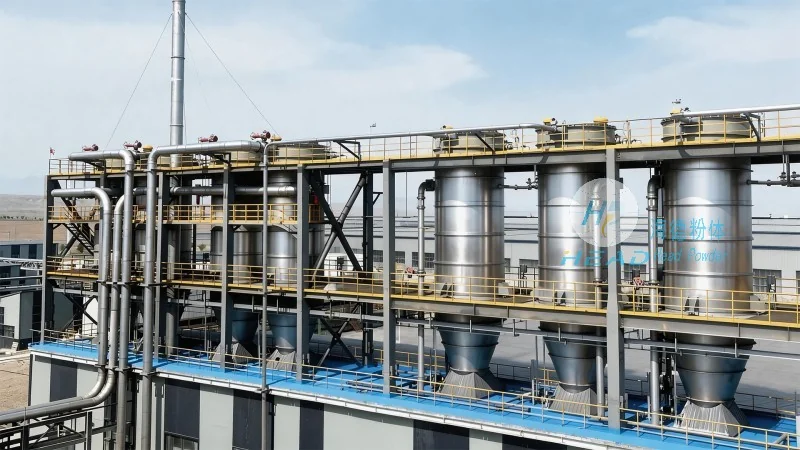
Key Components and Their Roles in the System
The cotton seed pneumatic conveying system consists of several critical components that work in tandem to ensure smooth operation. The primary components include the hopper or feed hopper, which holds the cotton seeds and feeds them into the system; the air compressor or blower, which generates the necessary air pressure to move the seeds; the conveying line or pipeline, which transports the seeds through the system; and the receiver or discharge hopper, where the seeds are deposited at the end of the conveying process. Each component plays a vital role in maintaining the system's performance and ensuring the safe and efficient transfer of cotton seeds.
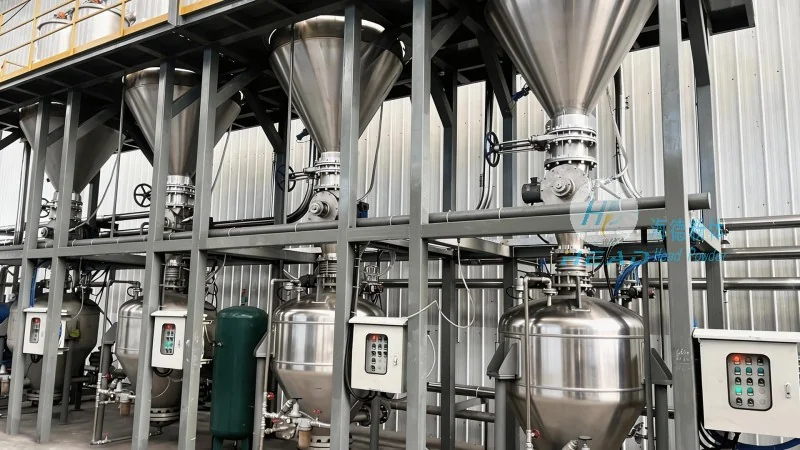
Working Principle of the Pneumatic Conveying Process
The working principle of the cotton seed pneumatic conveying system is based on the use of air as the conveying medium. When the system is activated, the air compressor or blower starts operating, creating a pressure differential between the inlet and outlet of the conveying line. The cotton seeds are then introduced into the hopper, where they are drawn into the conveying line by the moving air. The air flow carries the seeds through the pipeline, overcoming gravitational forces and any resistance in the system. The receiver at the end of the line collects the seeds as the air pressure decreases and the seeds are deposited. The system may also include additional components such as filters, cyclones, or separators to remove dust or other impurities from the air, ensuring the purity of the cotton seeds and the longevity of the system's components.
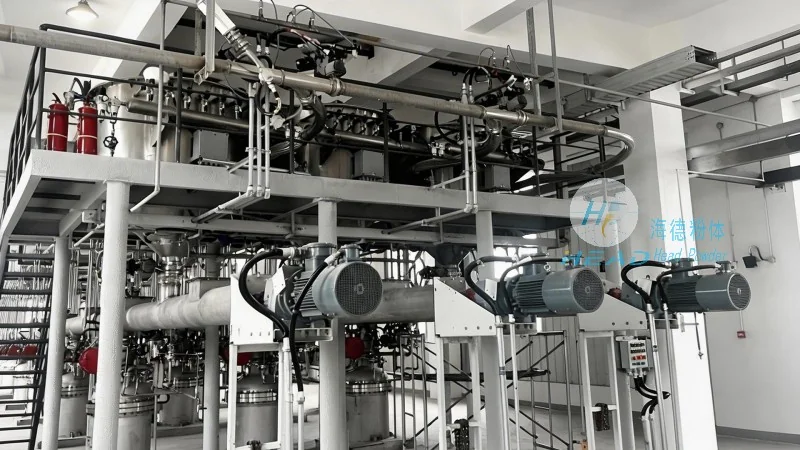
Operation Process: Step-by-Step Guide
The operation process of the cotton seed pneumatic conveying system involves several key steps that ensure the system runs smoothly and efficiently. First, the cotton seeds are loaded into the feed hopper, and the system is checked for any blockages or leaks. Next, the air compressor is started, and the system is primed to ensure proper air flow. The seeds are then released from the hopper into the conveying line, and the air flow carries them to the receiver. The system continuously monitors the flow rate and pressure, adjusting the air compressor speed as needed to maintain optimal performance. Finally, the seeds are discharged from the receiver into the next processing stage or storage bin. This process is repeated as needed to transport cotton seeds from one location to another within the processing facility.
Advantages of Using a Pneumatic Conveying System for Cotton Seeds
Implementing a cotton seed pneumatic conveying system offers numerous advantages over traditional mechanical conveying methods. One of the primary benefits is the reduction in product damage, as the seeds are not subjected to friction or impact during transport. This is particularly important for cotton seeds, which are delicate and can be easily bruised or broken, affecting their quality and market value. Additionally, the system provides consistent and uniform flow rates, ensuring that the processing line receives a steady supply of seeds, which improves overall production efficiency. The system also offers energy efficiency, as it uses less power compared to mechanical conveyors, reducing operational costs. Furthermore, the system is compact and can be easily integrated into existing processing facilities, minimizing the need for additional space or infrastructure modifications.
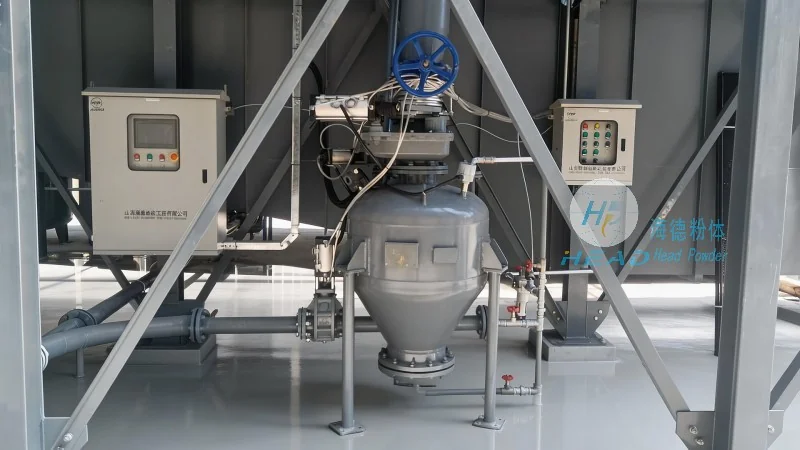
Maintenance and Troubleshooting for Optimal Performance
To ensure the long-term reliability and efficiency of the cotton seed pneumatic conveying system, regular maintenance and proper troubleshooting are essential. Regular maintenance tasks include checking and replacing air filters to prevent dust and debris from entering the system, inspecting the conveying line for any signs of wear or damage, and lubricating moving parts such as bearings and seals. Additionally, the system should be cleaned regularly to remove any accumulated dust or seed residue, which can affect the system's performance and reduce its lifespan. Troubleshooting common issues such as low flow rates, system blockages, or air leaks is also important. Low flow rates may indicate a clogged filter or a blockage in the conveying line, while air leaks can reduce the system's efficiency and increase energy consumption. By addressing these issues promptly, the system can maintain optimal performance and minimize downtime.