

Principle and Working Scene Characteristics of Air-Driven Pneumatic Conveyors for Water Glass Materi
For industrial applications involving water glass (sodium silicate) material handling, air-driven pneumatic conveyors offer an efficient and reliable solution. These systems utilize compressed air to transport bulk materials, providing a flexible and cost-effective method for moving water glass from storage to processing or packaging areas. The technology behind these conveyors is designed to handle the unique properties of water glass, ensuring consistent performance and minimal material degradation.
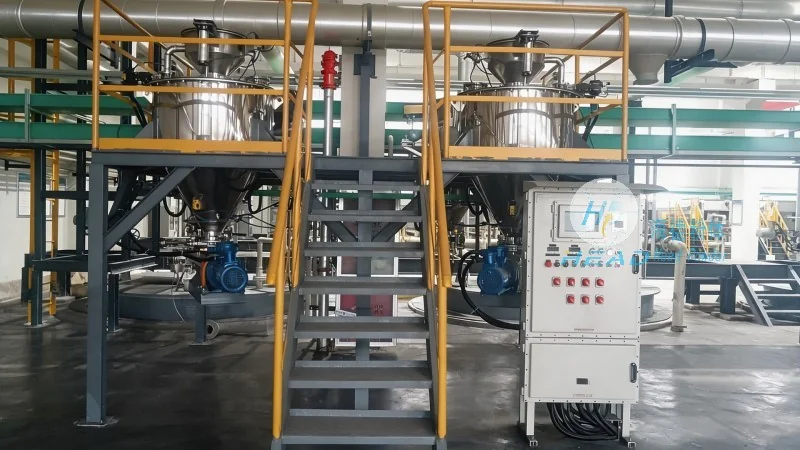
Principle of Operation for Water Glass Pneumatic Conveyors
The core principle of air-driven pneumatic conveyors is the use of air pressure to create a flow of material through a pipeline. In the case of water glass, the system typically operates in a dilute phase, where the material is suspended in the air stream. The process begins with the material being introduced into the conveying line, often via a hopper or feeder. Compressed air is then introduced at the inlet, creating a high-velocity air flow that lifts and transports the water glass particles. The design of the conveying line, including the use of bends, elbows, and expansion sections, is critical to maintaining the air-material mixture and preventing blockages or material deposition.
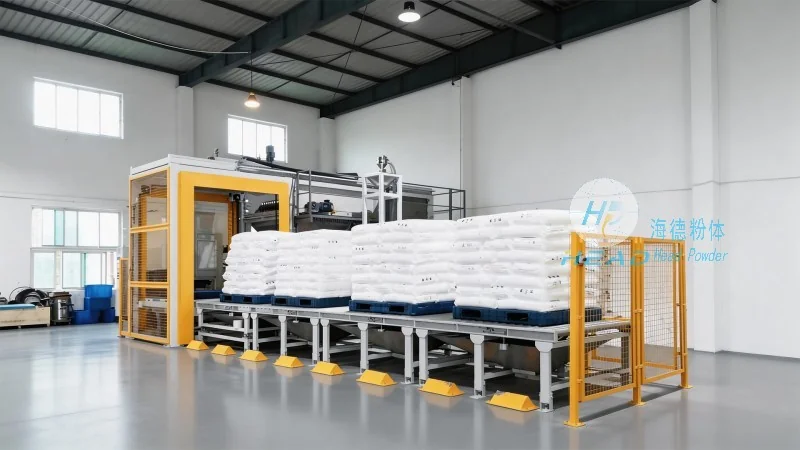
Key Working Scene Characteristics
When considering the application of air-driven pneumatic conveyors for water glass, several key characteristics define their suitability for different industrial environments. First, the system's ability to handle dusty or fine materials like water glass is crucial, as the air flow helps to keep the material suspended and prevents clogging. Second, the flexibility of the conveying line allows for horizontal, vertical, or mixed-direction transport, making it adaptable to various plant layouts. Third, the system's low maintenance requirements and the absence of moving parts in the conveying line reduce operational downtime and maintenance costs. Additionally, the hygienic design of the equipment is important for industries where product purity is paramount, such as food or pharmaceutical processing, though water glass applications are more commonly in industrial manufacturing.
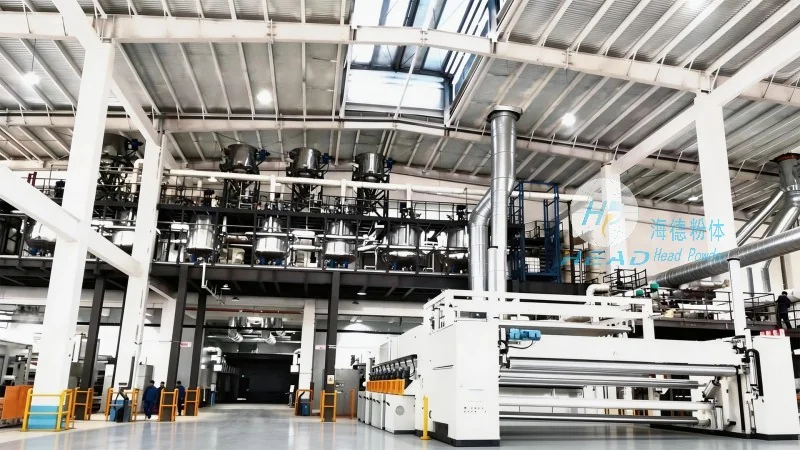
Application Scenarios and Benefits
HeadPowder, a leading manufacturer of industrial material handling equipment, specializes in designing and manufacturing air-driven pneumatic conveyors tailored to the needs of water glass processing. The company's products are engineered to handle the specific challenges of water glass, including its high viscosity and tendency to adhere to surfaces. By leveraging advanced engineering and material selection, HeadPowder's conveyors ensure efficient transport while minimizing material loss and degradation. The benefits of using these systems include improved process efficiency, reduced labor costs, and enhanced safety in material handling operations. For facilities in Shandong, China, and beyond, HeadPowder's solutions provide a reliable and cost-effective approach to managing water glass material flow.