

Operation Process and Working Principle of Pneumatic Conveying
Pneumatic conveying is a widely used technology in material handling and processing industries, enabling the efficient transport of bulk materials through a pipeline system using air or other gases. As a core component of modern industrial operations, understanding the operation process and working principles of such systems is crucial for optimizing performance, ensuring safety, and maintaining operational efficiency. This article provides a detailed overview of the key aspects involved in pneumatic conveying, with a focus on the practical applications and technical considerations relevant to industrial settings.
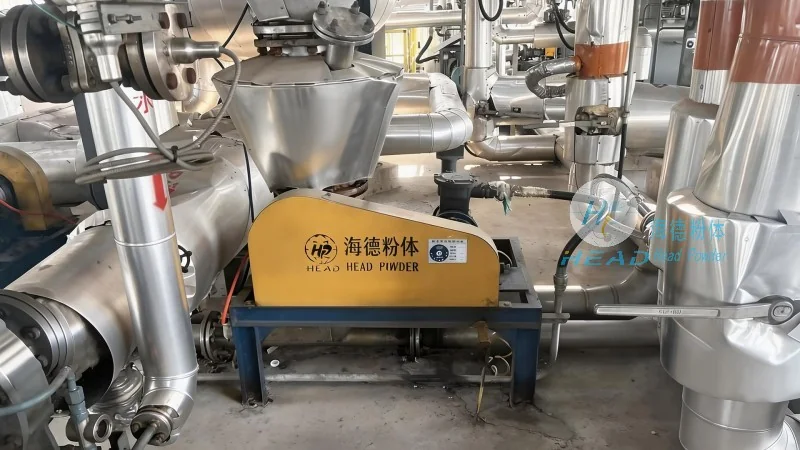
Company Overview: Shandong HeadPowder Engineering Co., Ltd.
At Shandong HeadPowder Engineering Co., Ltd., we specialize in the design, manufacturing, and implementation of advanced pneumatic conveying solutions. Our company, often referred to as HeadPowder, is committed to delivering high-quality, reliable systems that meet the diverse needs of our clients across various sectors. With a strong foundation in engineering excellence and a deep understanding of material handling requirements, we provide tailored solutions that enhance productivity and reduce operational costs. Based in Shandong, China, our team of experts leverages years of experience to develop innovative systems that adhere to the highest industry standards.
Key Components of Pneumatic Conveying Systems
A typical pneumatic conveying system consists of several essential components that work in concert to achieve material transport. These include the material feed hopper, which holds the bulk material; the air supply system, which generates the necessary pressure or vacuum; the conveying line, which transports the material; and the discharge device, which releases the material at the destination. Each component plays a critical role in the overall operation, and their proper integration is vital for the system's effectiveness.
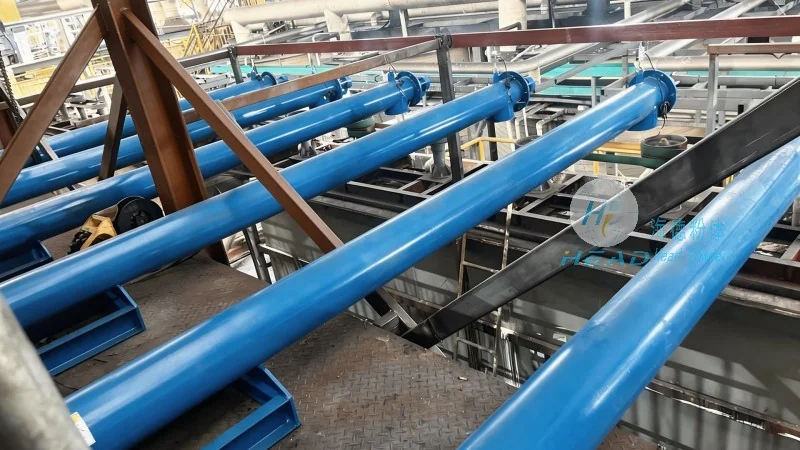
The Operation Process of Pneumatic Conveying
The operation process of a pneumatic conveying system involves several sequential steps that ensure the smooth and efficient movement of materials. The process typically begins with the material being fed into the hopper from a storage silo or other source. Once the material is in the hopper, it is drawn into the conveying line by the air flow generated by the air supply system. The air, often under pressure or in a vacuum, creates a flow that carries the material particles through the pipeline. As the material travels, it may encounter various components such as bends, filters, or separators that help maintain the flow and prevent blockages. The system then delivers the material to the discharge point, where it is collected and used in the next stage of processing.
Working Principles of Pneumatic Conveying
The working principles of pneumatic conveying are based on the fundamental concepts of fluid dynamics and material transport. There are two primary modes of operation: pressure and vacuum systems. In a pressure system, compressed air is used to push the material through the pipeline, while in a vacuum system, a vacuum is created to draw the material into the line. The choice between these modes depends on factors such as the material properties, the distance to be conveyed, and the system's design constraints. The air flow rate and pressure are carefully controlled to ensure that the material is transported without excessive wear on the system components and without causing blockages or inefficiencies.
Benefits and Applications of Pneumatic Conveying
Pneumatic conveying offers numerous benefits that make it an attractive solution for material handling in various industries. These benefits include high transport efficiency, the ability to handle a wide range of materials (from powders to granules), minimal material degradation, and reduced labor costs due to automated operation. The technology is widely used in sectors such as pharmaceuticals, food processing, chemical manufacturing, and mining, where the transport of bulk materials requires precision and reliability. By leveraging advanced pneumatic conveying systems, companies can improve their operational efficiency, enhance product quality, and achieve cost savings over time.
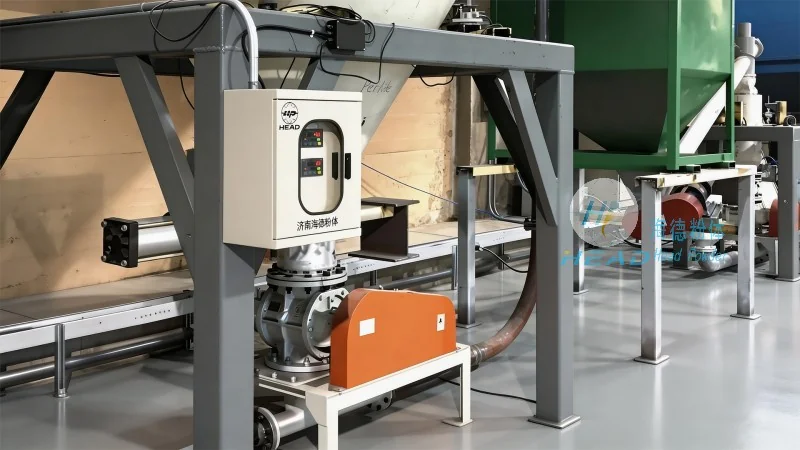
Technical Considerations and Best Practices
Implementing a pneumatic conveying system requires careful consideration of several technical factors to ensure optimal performance and longevity. Material properties, such as particle size, density, and moisture content, significantly impact the system's design and operation. For example, abrasive materials may require specialized components to prevent wear and tear, while sticky materials may need additional equipment like mixers or agitators to maintain flow. System design also involves selecting the appropriate air flow rate, pressure, and pipeline diameter to match the material characteristics and transport distance. Regular maintenance and monitoring are essential to prevent issues such as blockages, pressure drops, or component failure, which can disrupt operations and lead to costly downtime.
Conclusion
In conclusion, pneumatic conveying is a sophisticated and effective technology for material handling, with a clear understanding of its operation process and working principles being essential for successful implementation. Companies like Shandong HeadPowder Engineering Co., Ltd. play a vital role in providing advanced solutions that meet the evolving needs of the industry. By leveraging the expertise and experience of such companies, businesses can enhance their operational capabilities, improve efficiency, and achieve sustainable growth in their material handling processes.