

Operation Process and Working Principle of Nitrogen-Protected Pneumatic Conveying
Shandong HeadPowder Engineering Co., Ltd., commonly known as headpowder, is a professional manufacturer specializing in pneumatic conveying systems. Based in Shandong, China, the company has been committed to providing high-quality solutions for material handling and transportation in various industries. This article will delve into the operation process and working principle of nitrogen-protected pneumatic conveying, a technology widely used for transporting bulk materials safely and efficiently.
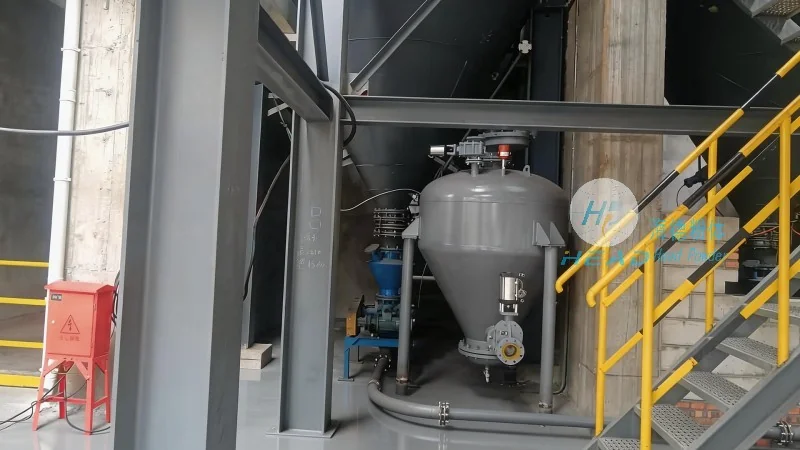
Understanding Nitrogen-Protected Pneumatic Conveying
Nitrogen-protected pneumatic conveying is a method of transporting bulk materials through a pipeline using a gas stream, typically nitrogen, as the conveying medium. This technique is particularly valuable in applications where the material is sensitive to oxidation, moisture, or contamination. The system creates a low-oxygen environment, which helps preserve the quality of the material and prevents spontaneous combustion or degradation during the conveying process.
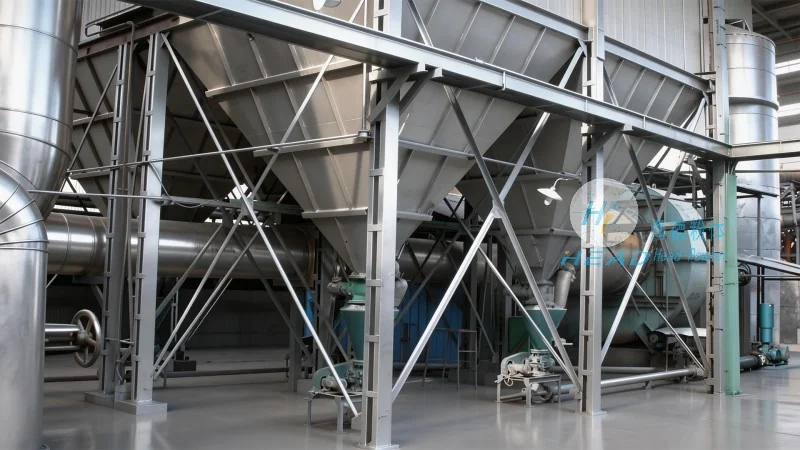
The Operation Process of Nitrogen-Protected Pneumatic Conveying
The operation process of nitrogen-protected pneumatic conveying involves several key steps that ensure smooth and reliable material transport. First, the bulk material is fed into the conveying system, often through a hopper or a loading device. Simultaneously, nitrogen gas is introduced into the system to create a protective atmosphere. The material is then drawn into the pipeline by the nitrogen gas flow, which acts as the conveying medium. As the material travels through the pipeline, it is mixed with the nitrogen gas, maintaining a consistent flow rate and preventing blockages. At the receiving end, the material is discharged into a storage bin or processing equipment. The system also includes components such as airlocks, filters, and pressure regulators to control the flow and maintain the nitrogen environment.
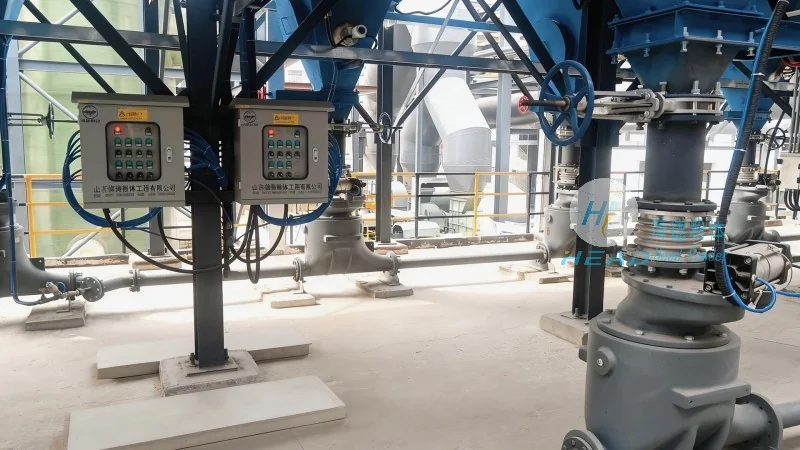
The Working Principle of Nitrogen-Protected Pneumatic Conveying
The working principle of nitrogen-protected pneumatic conveying is based on the principles of fluid dynamics and gas-solid interaction. The system operates by creating a pressure differential between the inlet and outlet of the pipeline. The nitrogen gas, under pressure, moves through the pipeline, carrying the bulk material particles along with it. The velocity of the gas stream is critical; it must be sufficient to overcome the gravitational and frictional forces acting on the material particles, ensuring that they remain suspended and transported effectively. The nitrogen gas also serves as a protective medium, preventing the material from coming into contact with air, which could lead to oxidation or other chemical changes. The system's design, including the size of the pipeline, the gas flow rate, and the material characteristics, is carefully optimized to achieve efficient and safe conveying.
Key Components and Their Roles
Several key components are essential for the proper functioning of a nitrogen-protected pneumatic conveying system. These include the material feeder, which controls the flow rate of the bulk material; the nitrogen gas source, which provides the protective gas; the conveying pipeline, which transports the material and gas; the airlock or rotary valve at the discharge end, which prevents backflow and maintains the nitrogen environment; and the filter system, which removes any dust or particles from the nitrogen gas before it is recirculated or vented. Each component plays a crucial role in ensuring the system operates efficiently and safely, maintaining the quality of the conveyed material.
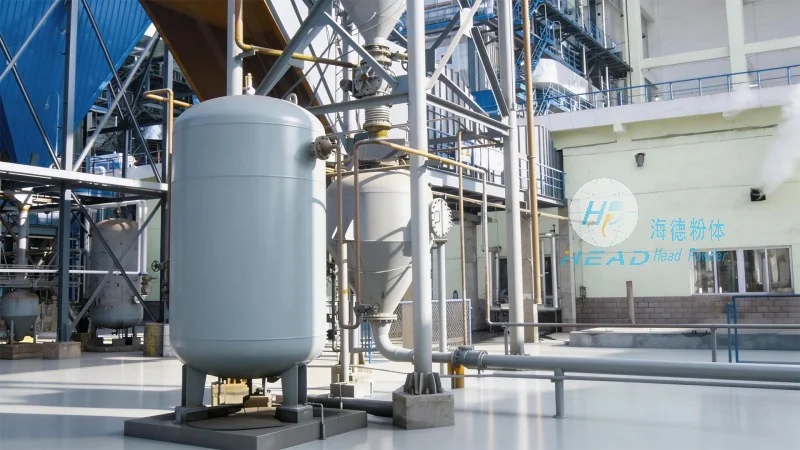
Advantages and Applications
Nitrogen-protected pneumatic conveying offers several advantages over traditional conveying methods. It provides a clean and controlled environment, which is particularly important for materials that are sensitive to moisture or oxidation. The system is also flexible and can be adapted to various material types and conveying distances. Additionally, it reduces the risk of dust explosions and improves overall safety in the workplace. This technology is widely used in industries such as pharmaceuticals, food processing, chemicals, and mining, where the quality and safety of the conveyed material are paramount.