

Operation Process and Working Principle of Unattended Material Feeding Pneumatic Conveying
HeadPowder, a leading provider of industrial material handling solutions, specializes in advanced pneumatic conveying systems designed for efficient and automated material transport. The company, based in Shandong, China, offers innovative technologies that enhance operational efficiency and safety in various industrial applications. This article delves into the operation process and working principle of unattended material feeding pneumatic conveying systems, highlighting how these systems streamline material handling while minimizing human intervention.
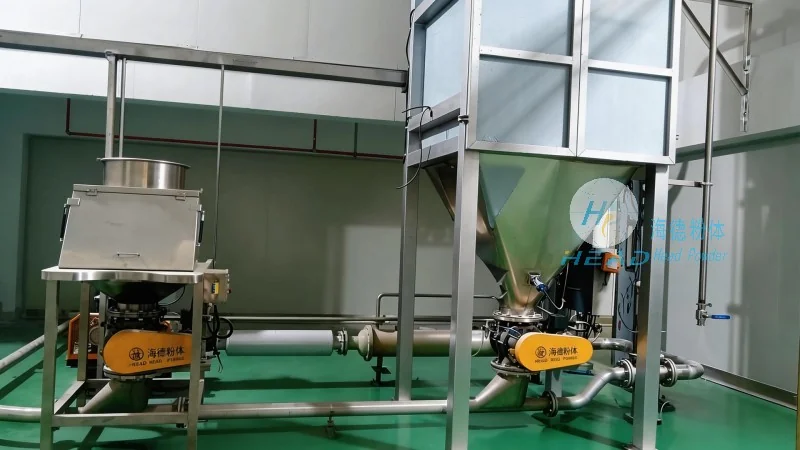
Understanding Unattended Material Feeding Pneumatic Conveying
Unattended material feeding pneumatic conveying systems are advanced industrial solutions that enable the automated transport of bulk materials from a storage or processing point to a destination without the need for continuous human supervision. These systems are particularly valuable in industries such as food processing, pharmaceuticals, and chemical manufacturing, where maintaining a clean, controlled environment and ensuring product integrity are critical. The core of these systems lies in the integration of precise material feeding mechanisms, high-efficiency air handling units, and intelligent control systems that work in tandem to achieve seamless material transport.
Key Components of the System
The unattended material feeding pneumatic conveying system consists of several key components, each playing a vital role in the overall operation. The primary components include a material feeder, a conveying line (often equipped with cyclones or filters), an air compressor or blower, and a control panel. The material feeder is responsible for accurately measuring and releasing the material into the conveying line, ensuring consistent flow rates. The conveying line, typically made of stainless steel or other corrosion-resistant materials, transports the material through the system using pressurized air. The air compressor or blower generates the necessary airflow to move the material, while cyclones or filters separate the material from the air, allowing for material recovery and air purification. The control panel monitors and regulates the system's operations, ensuring optimal performance and safety.
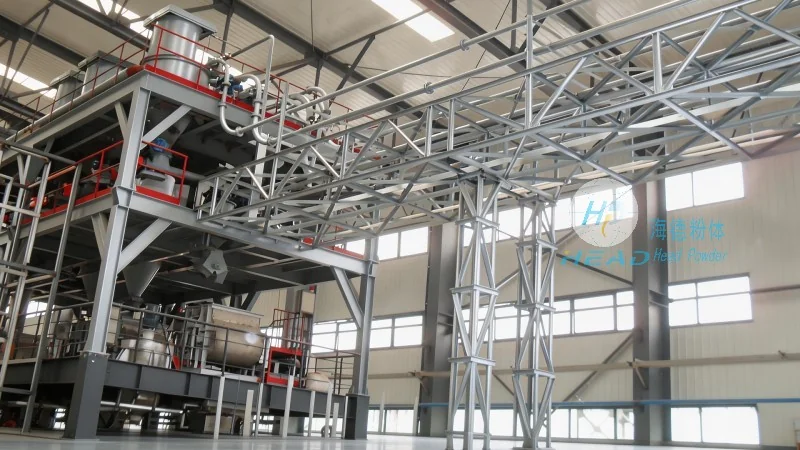
Operation Process: Step-by-Step Overview
The operation of an unattended material feeding pneumatic conveying system follows a systematic process, which can be broken down into several key steps. Initially, the system is activated by the control panel, which checks the status of all components, including the material feeder, air compressor, and conveying line. Once all components are confirmed to be in working order, the material feeder begins to release the material at a pre-set rate. Simultaneously, the air compressor starts operating, generating the required airflow to transport the material through the conveying line. As the material travels through the system, it is carried by the air stream and directed towards the destination, such as a storage silo or processing unit. The cyclones or filters along the line separate the material from the air, allowing the material to be deposited at the target location while the air is either recirculated or vented to the atmosphere. The control panel continuously monitors the system's performance, adjusting the airflow or material feed rate as needed to maintain optimal operation. The entire process is automated, with minimal human intervention required, making it highly efficient and reliable.
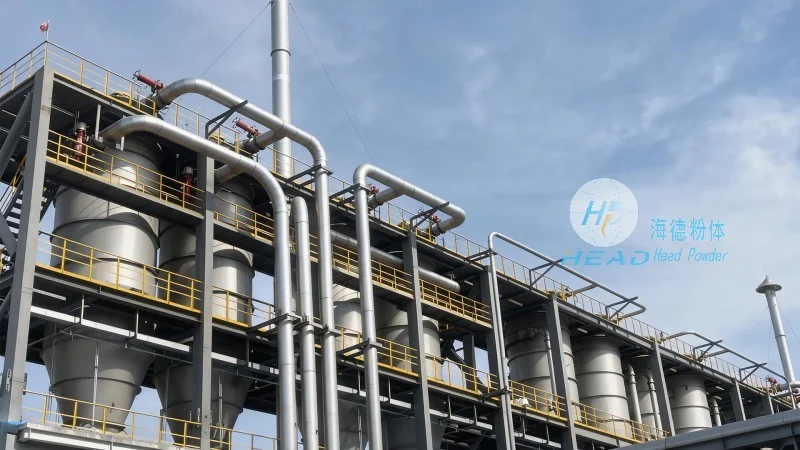
Working Principle: How It Works
The working principle of unattended material feeding pneumatic conveying systems is based on the fundamental concept of transporting bulk materials using pressurized air. The system operates by creating a pressure differential between the material feeder and the destination point, which drives the material through the conveying line. The material feeder, often a screw feeder or a rotary valve, releases the material into the conveying line at a controlled rate. The air compressor or blower then generates a high-velocity air stream that entrains the material particles, forming a slurry-like mixture known as a "pneumatic stream." This stream travels through the conveying line, which may include bends, expansions, or other components designed to guide the material to its destination. At the destination, the material is separated from the air using cyclones or filters, where the material is collected and the air is cleaned. The control system ensures that the airflow and material feed rate are balanced to prevent blockages or inefficiencies, maintaining a consistent and reliable transport process. This principle allows for the efficient and safe transport of materials in various industrial settings, reducing the need for manual handling and enhancing overall operational efficiency.
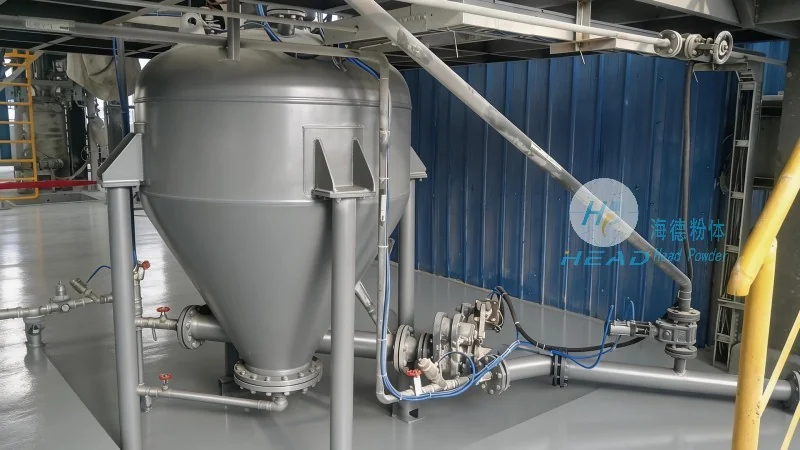
Benefits and Applications
Unattended material feeding pneumatic conveying systems offer numerous benefits that make them ideal for a wide range of industrial applications. These systems enhance operational efficiency by automating the material transport process, reducing downtime and labor costs. They also improve safety by minimizing human exposure to hazardous materials or environments. Additionally, these systems maintain product integrity by preventing contamination and ensuring consistent material quality. The systems are particularly suitable for transporting powders, granules, and other bulk materials in industries such as food processing, pharmaceuticals, chemicals, and minerals. By integrating advanced control systems and material handling technologies, HeadPowder's solutions provide reliable and efficient material transport solutions that meet the demands of modern industrial operations.
Conclusion
Unattended material feeding pneumatic conveying systems represent a significant advancement in industrial material handling technology, offering efficient, automated, and safe solutions for transporting bulk materials. The operation process, which involves precise material feeding, high-efficiency air handling, and intelligent control, ensures seamless material transport with minimal human intervention. The working principle, based on pressurized air and material separation, enables reliable and consistent performance across various industrial applications. HeadPowder, with its expertise in industrial material handling solutions, continues to develop and refine these systems to meet the evolving needs of modern industries, providing customers with reliable and efficient material transport solutions.