

Battery Cathode Material Handling: Positive Pressure vs. Negative Pressure - How to Distinguish?
When it comes to the transportation of battery cathode materials, selecting the appropriate method is crucial for ensuring efficiency, safety, and material integrity. Two primary approaches are commonly considered: positive pressure and negative pressure systems. Understanding the distinctions between these methods is essential for optimizing material handling processes in battery manufacturing facilities. This article provides an overview of positive and negative pressure transport systems, focusing on their applications, advantages, and key differentiating factors.
Introduction to Battery Cathode Material Transport
Battery cathode materials, such as lithium cobalt oxide, lithium iron phosphate, and nickel manganese cobalt oxide, are critical components in modern battery production. These materials are often powders or granules with specific properties that require careful handling to prevent degradation or contamination. The choice of transport method directly impacts the quality of the cathode material and the overall performance of the final battery product. Therefore, selecting between positive and negative pressure systems is a decision that requires careful consideration of operational needs, material characteristics, and safety protocols.
Positive Pressure Transport Systems
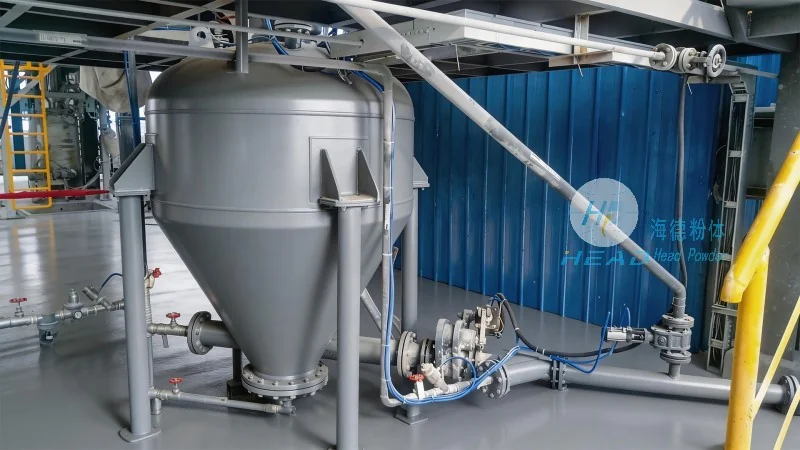
Positive pressure transport, also known as pressure-assisted or pneumatic conveying, operates by forcing material through a pipeline using compressed air or other gases. In this system, the air pressure is higher than the ambient pressure, creating a pressure differential that propels the material forward. This method is particularly effective for transporting dry, non-abrasive materials over moderate distances. The primary advantage of positive pressure systems is their ability to handle a wide range of material types, including fine powders and granules, without the need for excessive air flow rates. Additionally, positive pressure systems are generally more straightforward to install and maintain compared to negative pressure systems.
However, positive pressure systems may not be suitable for all applications. They can generate significant dust and require proper filtration to comply with environmental regulations. The high pressure and air flow can also lead to increased energy consumption and potential material degradation if not properly controlled. For battery cathode materials, which are often sensitive to moisture and oxygen, positive pressure systems may introduce contaminants if not equipped with adequate sealing and filtration components.
Negative Pressure Transport Systems
Negative pressure transport, or vacuum-assisted conveying, operates by creating a lower pressure environment within the pipeline compared to the ambient air. This pressure differential draws material into the system, where it is then transported to the destination. Unlike positive pressure systems, negative pressure systems do not use compressed air to push material; instead, they rely on the vacuum to pull it along. This method is often preferred for handling materials that are dusty or potentially hazardous, as it reduces the risk of dust dispersion into the environment.
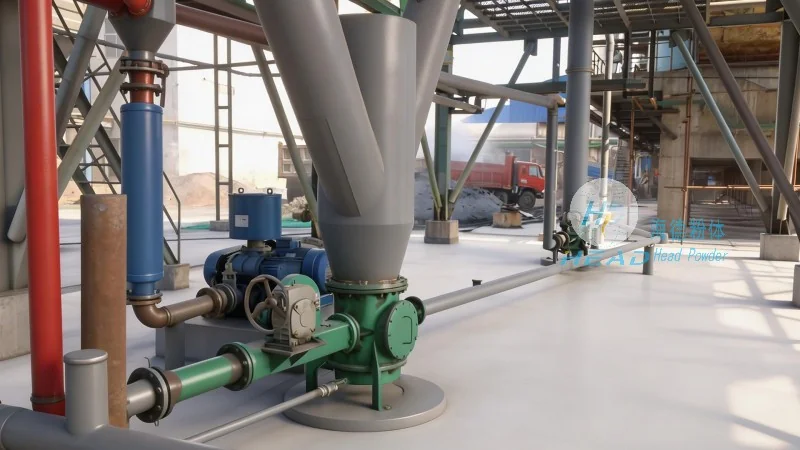
A key advantage of negative pressure systems is their ability to handle materials with higher moisture content or those that are more prone to caking. The lower air flow rates and reduced pressure can minimize material degradation and prevent the buildup of static electricity, which is a concern in many battery material applications. Additionally, negative pressure systems are generally quieter and produce less noise pollution compared to positive pressure systems, making them more suitable for facilities located in residential or sensitive areas.
Distinguishing Between Positive and Negative Pressure Systems
The primary difference between positive and negative pressure transport systems lies in the direction of air flow and the pressure differential. Positive pressure systems use compressed air to push material, while negative pressure systems use a vacuum to pull material. This fundamental difference affects the system's design, operational requirements, and suitability for specific materials. For battery cathode materials, the choice between the two systems often depends on factors such as material sensitivity, distance of transport, and environmental regulations.
When evaluating the two methods, several key considerations should be taken into account. First, the material's physical properties, including particle size, moisture content, and abrasiveness, play a significant role. Fine powders with high moisture content may be better suited for negative pressure systems due to their lower air flow requirements and reduced risk of degradation. Conversely, materials that are non-abrasive and require high transport rates may benefit from positive pressure systems, which can handle larger volumes with less energy consumption.
Second, the distance and layout of the transport system are critical. Positive pressure systems are generally more efficient for longer distances due to their ability to maintain consistent pressure and material flow. However, negative pressure systems may be more suitable for shorter distances or when the facility layout requires a more compact design. The choice also depends on the available space and the need for minimal infrastructure modifications.
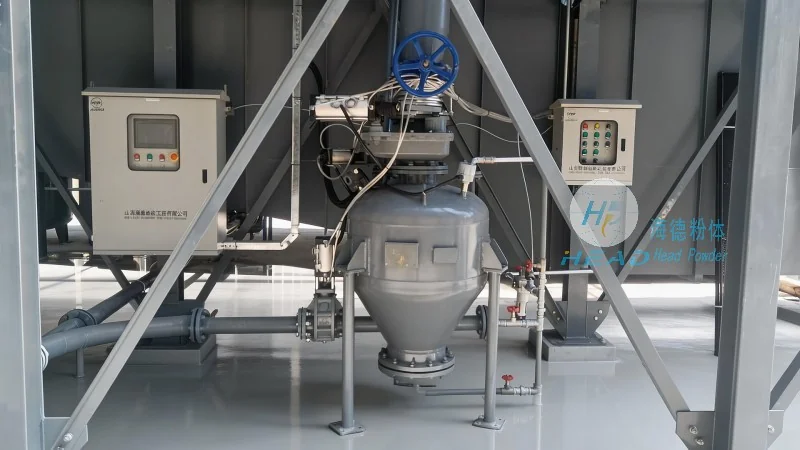
Third, safety and environmental considerations are paramount. Positive pressure systems may pose a higher risk of dust explosion if not properly designed with explosion-proof components. Negative pressure systems, on the other hand, are often preferred in environments where dust control and compliance with environmental regulations are top priorities. The selection should also consider the potential for material contamination and the need for effective filtration and dust collection systems.
Application Examples in Battery Manufacturing
In the context of battery cathode material handling, both positive and negative pressure systems have specific applications. For example, positive pressure systems are commonly used in the initial stages of material processing, such as transporting raw materials from storage silos to mixing and grinding equipment. This is often done over moderate distances and requires high material throughput. Negative pressure systems, however, may be employed in the final stages of material transport, such as moving finished cathode powders to packaging or storage areas, where dust control and material purity are critical.
Shandong HeadPowder Engineering Co., Ltd., a leading provider of material handling solutions, specializes in designing and implementing customized transport systems for battery manufacturers. With a focus on efficiency and compliance, the company offers both positive and negative pressure solutions tailored to the specific needs of each client. The company's expertise in material handling technology ensures that the chosen system optimizes material flow while minimizing operational costs and environmental impact.
Conclusion
Choosing between positive and negative pressure transport systems for battery cathode materials requires a thorough understanding of the material's characteristics, operational requirements, and safety considerations. Positive pressure systems offer advantages in terms of material throughput and ease of installation, while negative pressure systems excel in dust control and material integrity. By carefully evaluating these factors, battery manufacturers can select the most appropriate transport method to enhance their production efficiency and ensure the quality of their final products. Shandong HeadPowder Engineering Co., Ltd. remains committed to providing innovative and reliable material handling solutions to support the growing needs of the battery industry.