

[CATEGORY]Classification and Composition of Pharmaceutical Particle Pneumatic Conveying Systems
Pharmaceutical particle pneumatic conveying systems are critical in the manufacturing and processing of medicinal products. These systems are designed to transport bulk powders and granules efficiently and safely within pharmaceutical facilities. The classification and composition of such systems are essential for understanding their functionality and application in various pharmaceutical processes. Shandong HeadPowder Engineering Co., Ltd., a leading manufacturer in this field, specializes in the design and production of high-quality pneumatic conveying systems tailored to the unique needs of the pharmaceutical industry.
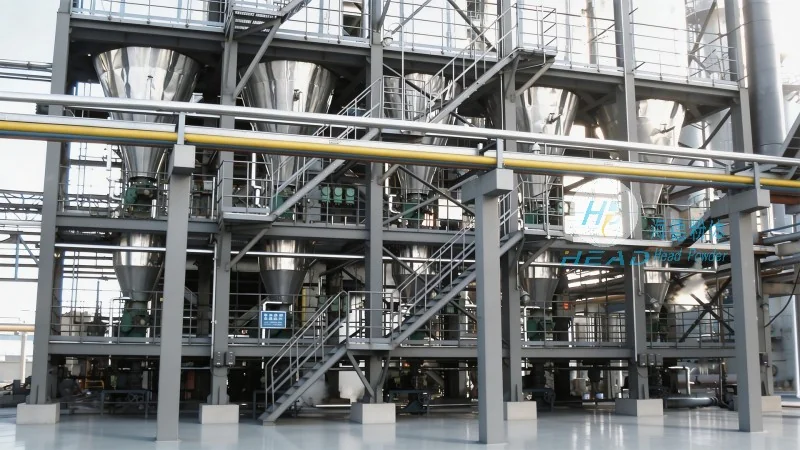
Overview of Pharmaceutical Particle Pneumatic Conveying Systems
Pharmaceutical particle pneumatic conveying systems utilize air or other gases to move solid particles through a pipeline. This method offers advantages over traditional mechanical conveying, such as reduced contamination risk, improved process control, and the ability to handle sensitive materials without physical contact. The systems are typically categorized based on the direction of air flow and the pressure applied during operation.
Classification of Pharmaceutical Pneumatic Conveying Systems
There are two primary classifications of pharmaceutical pneumatic conveying systems: suction (or vacuum) systems and pressure systems. Suction systems operate by creating a negative pressure in the conveying line, drawing material from the source. These systems are suitable for applications where the material is to be transported from a lower elevation or when the material is light and requires gentle handling. Pressure systems, on the other hand, use positive pressure to push material through the pipeline. They are ideal for transporting materials over longer distances or to higher elevations, and they can handle a wider range of particle sizes and densities.
Key Components of Pharmaceutical Pneumatic Conveying Systems
The composition of a pharmaceutical particle pneumatic conveying system includes several essential components that work together to ensure efficient and reliable operation. The main components are the material feed system, the conveying line, the air or gas source, the separation and collection equipment, and the control and monitoring devices.
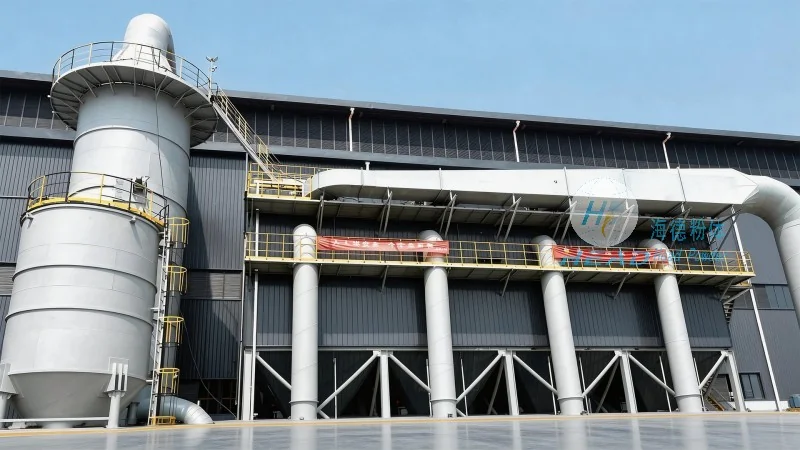
Material Feed System
The material feed system is responsible for introducing the pharmaceutical particles into the conveying line. This component may include hoppers, feeders, or rotary valves that regulate the flow rate of the material. In pharmaceutical applications, the feed system must be designed to minimize product degradation, prevent contamination, and ensure consistent feeding. For example, the feed system may incorporate sanitary design features, such as stainless steel construction and easy-to-clean surfaces, to meet regulatory requirements.
Conveying Line
The conveying line is the pipeline through which the material and air travel. It is typically made of materials like stainless steel, PTFE, or other corrosion-resistant materials to ensure durability and compatibility with pharmaceutical products. The line may include bends, elbows, and other fittings that are designed to minimize pressure loss and prevent particle segregation. The diameter and length of the conveying line are critical factors that affect the system's performance, as they influence the velocity of the material and the pressure required for operation.
Air or Gas Source
The air or gas source provides the necessary pressure or vacuum to move the material through the conveying line. This component can include a blower, compressor, or vacuum pump, depending on the system type. In pharmaceutical applications, the air or gas used must be filtered and treated to remove contaminants and moisture, as these can affect the quality of the pharmaceutical product. The air source is typically equipped with filters, such as HEPA or activated carbon filters, to ensure that the air is clean and free from particles that could contaminate the product.
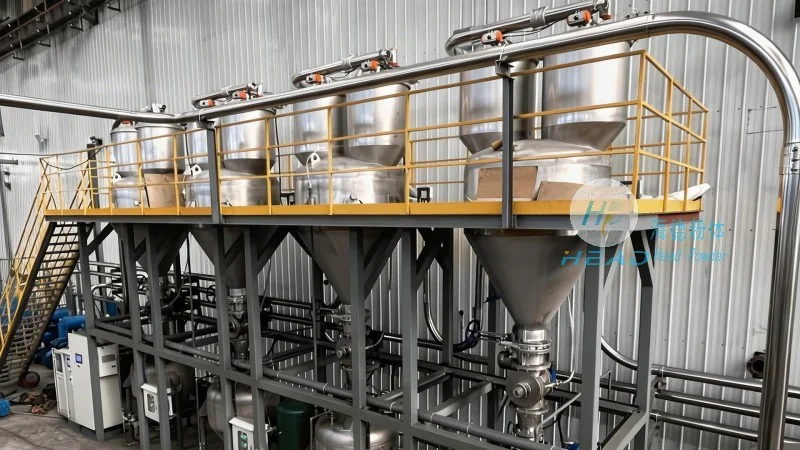
Separation and Collection Equipment
After the material has been conveyed to its destination, it must be separated from the air and collected. The separation equipment may include cyclones, filters, or baghouses, depending on the system design. These components are designed to efficiently separate the particles from the air stream while minimizing product loss and ensuring that the air is discharged safely. The collection equipment may include hoppers or containers that store the conveyed material for further processing or packaging.
Control and Monitoring Devices
Control and monitoring devices are essential for ensuring the safe and efficient operation of the pneumatic conveying system. These devices may include pressure sensors, flow meters, and control valves that regulate the air flow and material feed rate. They also provide real-time monitoring of system performance, allowing operators to detect and address any issues promptly. In pharmaceutical applications, these devices are often integrated with a control system that can automatically adjust the system parameters based on process conditions, ensuring consistent and reliable operation.
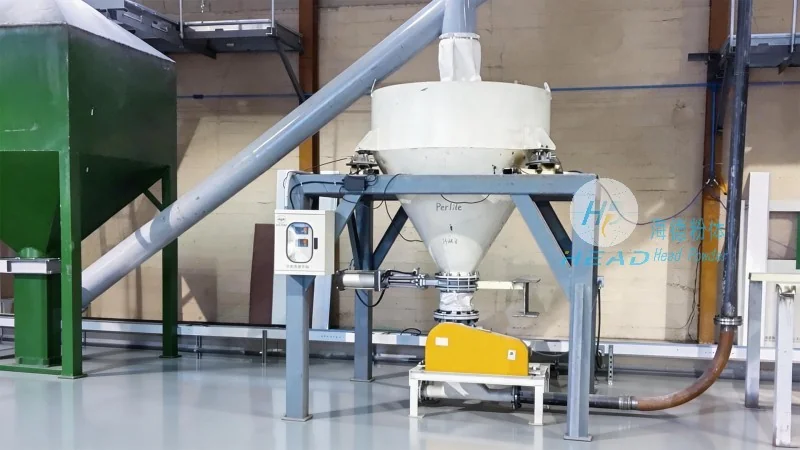
Application in Pharmaceutical Manufacturing
Pharmaceutical particle pneumatic conveying systems are widely used in various stages of pharmaceutical manufacturing, including raw material handling, intermediate processing, and final product packaging. For example, these systems can be used to transport active pharmaceutical ingredients (APIs), excipients, and finished dosage forms between different processing units. They are also used in the handling of sterile powders, where the system must be designed to maintain a sterile environment and prevent contamination. The systems are particularly useful in applications where the material is sensitive to moisture, temperature, or physical stress, as they can provide gentle and controlled handling.
Regulatory Considerations
Pharmaceutical particle pneumatic conveying systems must comply with various regulatory requirements, such as those set by the FDA and other regulatory bodies. These regulations focus on ensuring the safety, quality, and efficacy of pharmaceutical products. The systems must be designed and manufactured to meet standards for sterility, contamination control, and material compatibility. For example, the components of the system, such as the feed system and conveying line, must be made of materials that are compatible with the pharmaceutical products being handled and must be easy to clean and sterilize. The control and monitoring devices must also be validated to ensure that they provide accurate and reliable data.
Conclusion
In conclusion, pharmaceutical particle pneumatic conveying systems are essential for the efficient and safe handling of bulk powders and granules in pharmaceutical manufacturing. The classification and composition of these systems are critical for understanding their functionality and application. By understanding the key components and operational principles of such systems, pharmaceutical manufacturers can select and implement the most appropriate system for their specific needs, ensuring high-quality product production and compliance with regulatory requirements.