

Operation Process and Working Principle of Stone Powder Granule Pneumatic Conveying System
HeadPowder, a leading provider of industrial conveying solutions, specializes in the design and implementation of efficient pneumatic conveying systems for handling stone powder granules. This system is engineered to ensure reliable, dust-free, and energy-efficient material transport, catering to the demands of various industrial applications. The following sections detail the operational process and underlying principles of this advanced system.
System Overview and Key Components
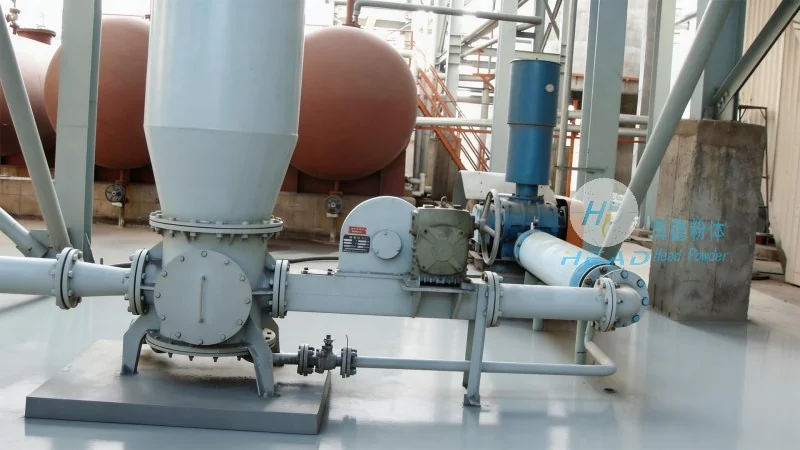
The stone powder granule pneumatic conveying system comprises several critical components that work in tandem to facilitate the movement of material. These include a hopper for material storage, a rotary valve or feeder for controlled discharge, a conveying line (typically made of stainless steel or other corrosion-resistant materials), a blower or air compressor to generate the necessary air pressure, and a receiver or discharge hopper at the destination. Each component is strategically designed to ensure seamless integration and optimal performance, minimizing downtime and maximizing material throughput.
The Operational Process: Step-by-Step Breakdown
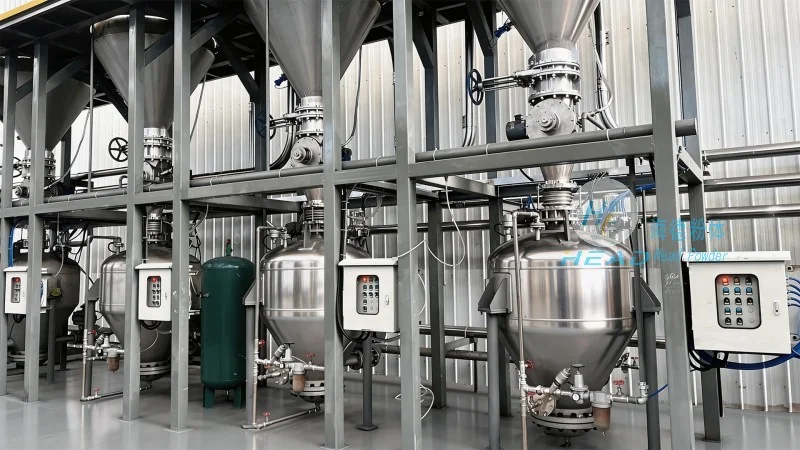
The operation of the stone powder granule pneumatic conveying system follows a systematic sequence of steps, ensuring consistent and reliable material transport. The process begins with the loading of stone powder granules into the storage hopper. The rotary valve or feeder then regulates the flow of material into the conveying line, preventing overloading and maintaining a steady feed rate. Simultaneously, the blower generates a high-pressure air stream that travels through the conveying line, creating a vacuum or positive pressure environment that propels the material forward. As the material is carried by the air stream, it travels through the pipeline to the receiving hopper at the destination. The air and material mixture then enters the receiver, where the material is separated from the air through a cyclone or other separation device. The separated stone powder granules are collected in the receiver, while the air is either recirculated or discharged, depending on the system design.
Working Principle: How the System Transfers Material
The core working principle of the stone powder granule pneumatic conveying system is based on the physics of fluid dynamics and particle movement. The system utilizes air as the conveying medium, creating a flow that transports the solid particles. There are two primary modes of pneumatic conveying: dilute phase and dense phase. In dilute phase systems, the material is suspended in the air stream, moving at high velocities. In dense phase systems, the material is conveyed in a slurry-like state at lower velocities, which is often preferred for handling fine powders like stone powder to minimize particle degradation and system wear. The blower provides the necessary pressure to overcome the resistance in the pipeline and the weight of the material, ensuring efficient transport. The system's design, including the size of the conveying line, the air velocity, and the pressure, is optimized to balance efficiency, material handling capacity, and energy consumption.
Advantages of the Pneumatic Conveying System for Stone Powder Granules
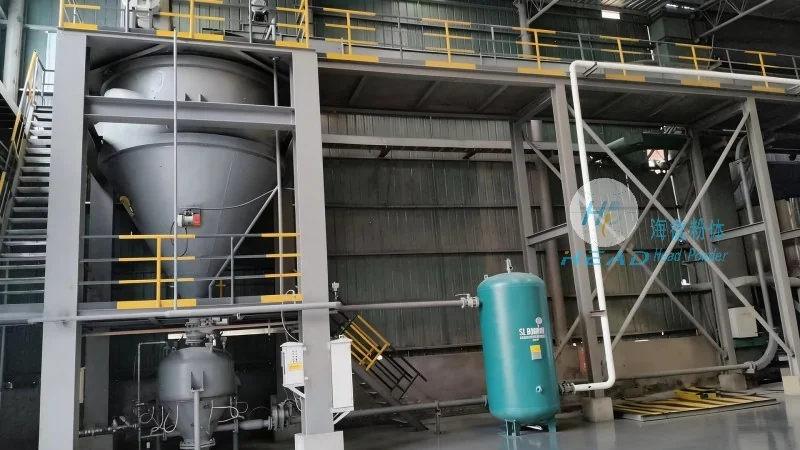
Implementing a pneumatic conveying system for stone powder granules offers numerous advantages over traditional methods such as belt conveyors or bucket elevators. These benefits include: 1) Dust-Free Operation: The enclosed system prevents dust dispersion, enhancing workplace safety and compliance with environmental regulations. 2) Reduced Maintenance: With fewer moving parts in the conveying line compared to mechanical systems, maintenance requirements are minimized, leading to lower operational costs. 3) Energy Efficiency: Modern systems are designed to optimize air usage, reducing energy consumption while maintaining high throughput. 4) Flexibility and Scalability: The system can be easily adapted to different production volumes and can be expanded or reconfigured as operational needs change. 5) Improved Material Quality: The enclosed environment protects the stone powder granules from contamination and degradation, preserving their quality for downstream processes.
Application Examples and Industry Impact
The stone powder granule pneumatic conveying system is widely used in various industries that handle fine powders, including construction materials, mining, and chemical processing. For instance, in the production of cement or concrete, stone powder granules are efficiently transported from storage silos to mixing plants. In mining operations, the system facilitates the transport of crushed stone powders from processing facilities to storage or shipping locations. The system's reliability and efficiency contribute to increased productivity and reduced operational costs for businesses in these sectors. By ensuring consistent material flow and minimizing downtime, the system supports the smooth operation of industrial processes, enhancing overall productivity and profitability.