For industrial applications requiring efficient and automated material handling, the unmanned material feeding conveyor system has emerged as a critical solution. This system is designed to streamline the process of transporting raw materials or components without the need for human intervention, enhancing productivity and reducing operational costs. In this article, we will explore the working principle and key features of such a system, focusing on how it operates and the advantages it offers to modern manufacturing environments.
Working Principle of the Unmanned Material Feeding System
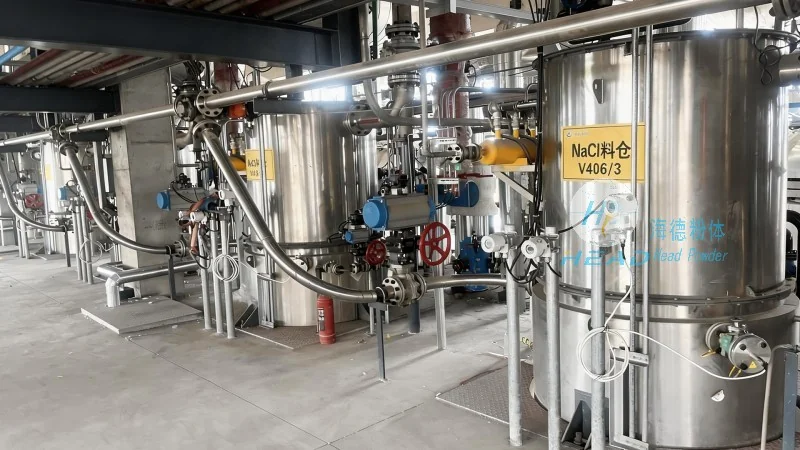
The core of the unmanned material feeding conveyor system lies in its automated feeding mechanism. The system typically begins with a storage hopper or bin where raw materials are placed. A sensor, often a level sensor or a weight sensor, monitors the material level in the hopper. When the material level drops to a predetermined threshold, the sensor triggers the feeding mechanism to activate. This mechanism may involve a screw conveyor, a belt feeder, or a vibratory feeder, depending on the material characteristics and the required feeding rate. The feeder then transports the material from the hopper to the main conveyor system, which then moves the material to the processing or assembly line. The entire process is controlled by a programmable logic controller (PLC) or a dedicated control system that coordinates the operation of the sensors, feeders, and conveyors. This closed-loop control ensures that the material flow is consistent and uninterrupted, as the system automatically adjusts the feeding rate based on the demand from the downstream process.
Key Features of the Unmanned Material Feeding Conveyor System
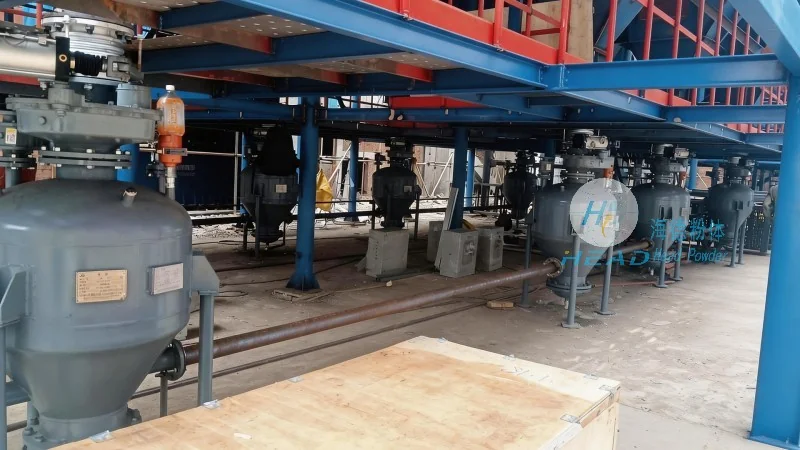
Several key features distinguish the unmanned material feeding system from traditional manual or semi-automated systems. Firstly, the system offers high reliability and consistency. Since it operates without human intervention, it minimizes the risk of human error, ensuring that the material flow is steady and predictable. This reliability is crucial for maintaining the smooth operation of downstream processes, such as assembly lines or packaging units. Secondly, the system enhances safety in the workplace. By eliminating the need for workers to handle heavy or hazardous materials manually, it reduces the risk of workplace accidents and injuries. This not only improves the safety culture of the facility but also helps in complying with occupational health and safety regulations. Thirdly, the unmanned system improves operational efficiency and productivity. With automated feeding, the system can operate continuously around the clock, maximizing the use of production time. The PLC control allows for precise adjustment of the feeding rate, ensuring that the material supply matches the demand of the processing equipment, thus preventing bottlenecks or overfeeding. Fourthly, the system offers flexibility and adaptability. Modern unmanned feeding systems can be easily reconfigured to handle different types of materials or to adjust to changes in production requirements. This flexibility is achieved through modular components, such as interchangeable feeders and adjustable conveyor speeds, which can be modified without major system overhauls. Additionally, the system can be integrated with other automation technologies, such as robotics or vision systems, to create a fully automated material handling line. This integration further enhances the system's capabilities and allows for more complex material handling tasks.
Benefits and Applications
The unmanned material feeding conveyor system provides numerous benefits across various industries. In the manufacturing sector, it is widely used in the automotive, electronics, and food processing industries. For example, in automotive manufacturing, the system can feed metal parts or components to assembly lines, ensuring a steady supply of parts for efficient production. In the electronics industry, it can handle small components like chips or connectors, which require precise and consistent feeding for assembly. In the food processing industry, the system can feed raw ingredients or packaged products to packaging lines, maintaining hygiene and efficiency. The benefits of the system extend beyond specific industries; it also contributes to cost reduction by minimizing labor costs and reducing material waste. The consistent feeding rate also helps in reducing overproduction, which in turn lowers inventory costs. Furthermore, the system's reliability reduces downtime, as it is less prone to human-related errors or fatigue, leading to higher overall equipment effectiveness (OEE).
Conclusion
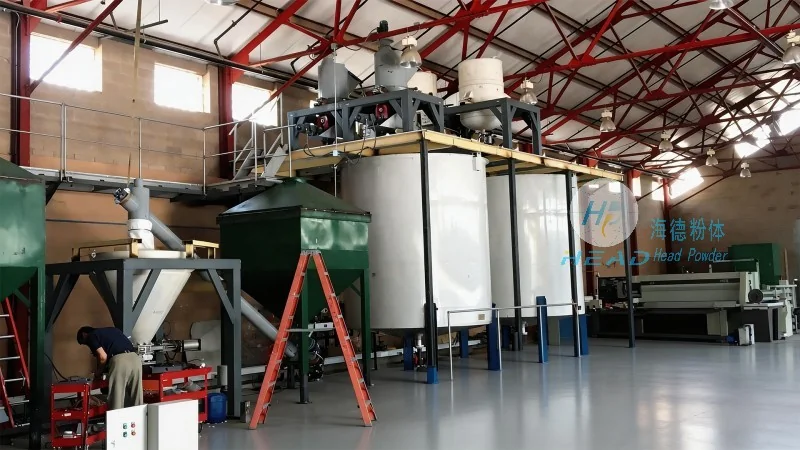
In conclusion, the unmanned material feeding conveyor system is a sophisticated and efficient solution for modern material handling needs. Its working principle, based on automated feeding and closed-loop control, ensures consistent and reliable material flow. The key features, including high reliability, safety, efficiency, and flexibility, make it an ideal choice for various industrial applications. As industries continue to adopt automation and seek to improve their operational performance, the unmanned material feeding system plays a vital role in achieving these goals. By integrating such systems, companies can enhance their productivity, reduce costs, and maintain a competitive edge in the market. The continued development and advancement of these systems will further expand their applications and benefits, making them an essential component of future industrial automation.




