

Operation Process and Working Principle of Bulk Bag Breakage and Pneumatic Conveying System
Bulk bag breakage and pneumatic conveying systems are critical components in modern material handling and processing industries. These systems are designed to efficiently transfer bulk materials from storage containers, such as bulk bags or super sacks, into processing equipment or storage tanks. The technology combines mechanical and pneumatic principles to ensure safe, reliable, and automated material transfer, reducing manual labor and improving operational efficiency. In this article, we will explore the operation process and working principle of such systems, highlighting the key components, operational steps, and the role of companies like Shandong HeadPowder Engineering Co., Ltd. in providing advanced solutions.
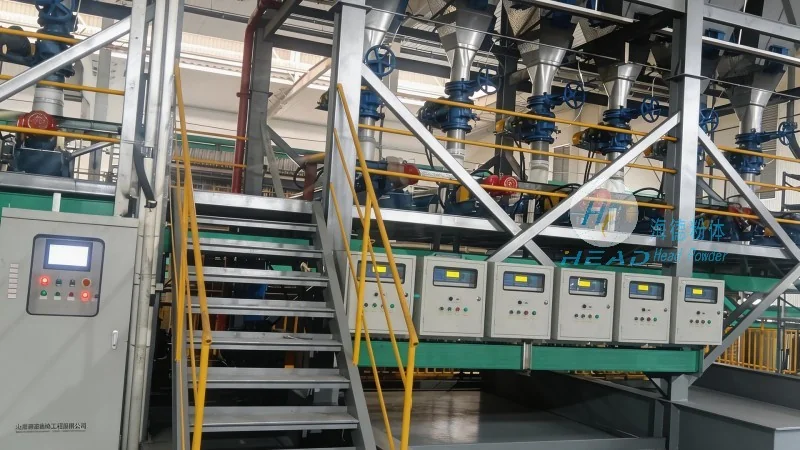
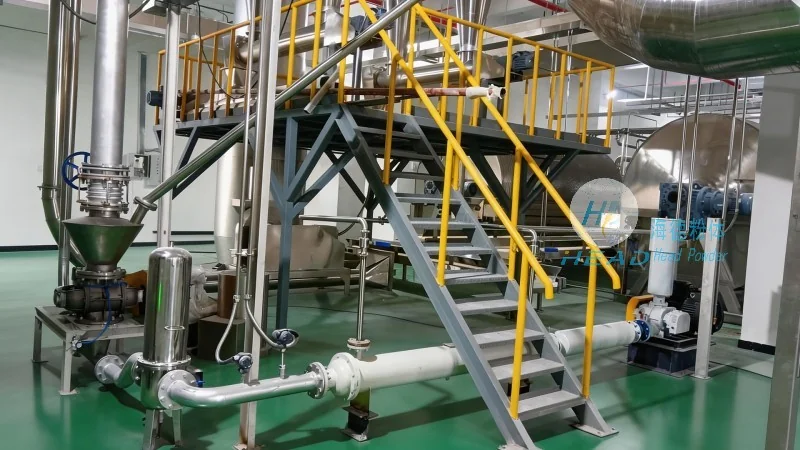
Key Components of the System
The bulk bag breakage and pneumatic conveying system typically consists of several interconnected components that work in harmony to achieve efficient material transfer. The primary components include: bulk bag opening and breakage equipment, a hopper or feeder to collect the broken material, a pneumatic conveying line with appropriate ductwork, a dust collection system, and a receiving vessel or processing equipment. Each component plays a crucial role in the overall functionality of the system. For instance, the bulk bag opening device is responsible for safely and hygienically breaking the bag to release the material, while the hopper ensures a uniform flow of material into the conveying system. The pneumatic conveying line, often equipped with airlocks and control valves, transports the material through the ductwork under pressure or vacuum, depending on the system design. The dust collection system is essential for maintaining air quality and preventing material loss during the transfer process. Finally, the receiving vessel collects the material, ready for further processing or storage.
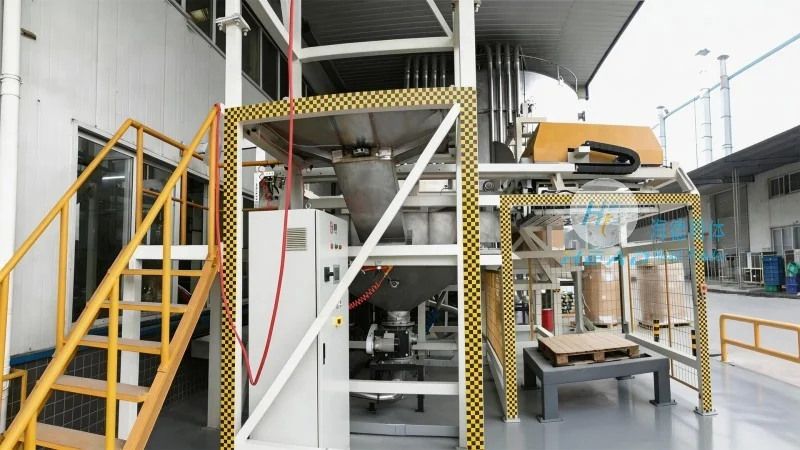
Working Principle of the Pneumatic Conveying Process
The working principle of a bulk bag breakage and pneumatic conveying system is based on the movement of material particles through a conveying medium, usually air. The process can be categorized into two main types: pressure and vacuum systems. In a pressure system, air is supplied to the conveying line under pressure, pushing the material from the source to the destination. Conversely, a vacuum system uses a vacuum pump to draw material from the source into the conveying line. The choice between pressure and vacuum depends on factors such as material characteristics, distance to be conveyed, and system layout. The system operation begins with the bulk bag being placed in the opening device. The bag is then broken open, and the material falls into the hopper. The hopper is equipped with a feeder, which controls the flow rate of material into the conveying line. The feeder may be a rotary valve, a star valve, or a screw feeder, depending on the material's properties and the required flow rate. As the material enters the conveying line, it is mixed with the conveying air, creating a slurry or dilute phase flow. The air velocity is maintained at a level sufficient to keep the material suspended and transported through the ductwork. The conveying line may include bends, elbows, and other fittings, which are designed to minimize pressure loss and ensure smooth material flow. At the receiving end, the material is separated from the air using a cyclone separator or a filter, and the material is collected in the receiving vessel. The air, now containing any residual dust, is then passed through a dust collection system, such as a bag filter or an electrostatic precipitator, before being discharged to the atmosphere.
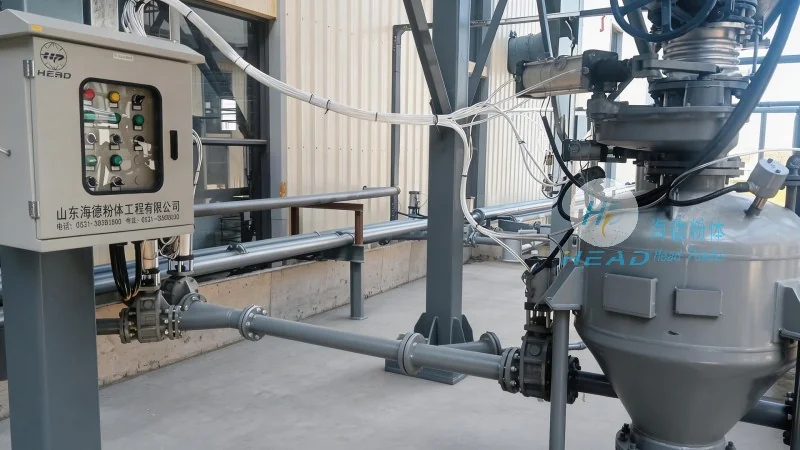
Step-by-Step Operation Process
The operation of a bulk bag breakage and pneumatic conveying system involves a series of sequential steps to ensure efficient and safe material transfer. The process typically begins with the preparation of the bulk bag, which is placed in the designated position within the opening and breakage equipment. The equipment then initiates the bag opening process, which may involve cutting the bag's top or using a mechanical device to break the bag open. Once the bag is broken, the material inside falls into the hopper. The hopper's feeder then starts to operate, controlling the flow rate of material into the conveying line. The conveying system is then activated, either by starting the air compressor for a pressure system or the vacuum pump for a vacuum system. The air is introduced into the conveying line, creating the necessary pressure or vacuum to transport the material. The material is then conveyed through the ductwork to the receiving vessel. At the receiving end, the material is separated from the air, and the air is filtered to remove any dust particles. The receiving vessel is then filled with the material, and the system is prepared for the next batch. The entire process is typically automated, with sensors and control systems monitoring the flow rate, pressure, and other parameters to ensure optimal operation. Regular maintenance is also essential to keep the system running smoothly, including checking the condition of the bulk bag opening device, the hopper feeder, the conveying line, and the dust collection system.