HeadPowder, a leading engineering company based in Shandong, China, specializes in advanced material handling solutions. The company's expertise lies in the design and implementation of efficient pneumatic conveying systems for various industrial applications, including the handling of lithium fluoride powder. This article delves into the fundamental principles behind these systems and highlights the key characteristics of their operational environments.
The Fundamental Principle of Pneumatic Conveying for Lithium Fluoride
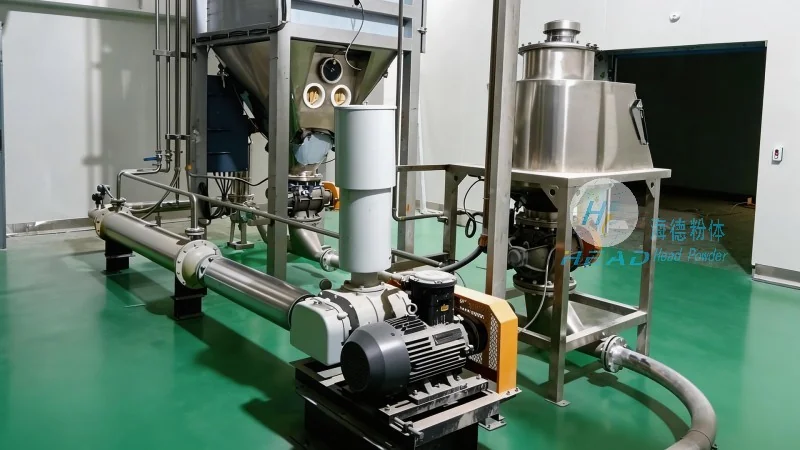
Lithium fluoride (LiF) is a critical material in several high-tech industries, such as nuclear energy, pharmaceuticals, and ceramics. Handling this fine powder requires specialized equipment to ensure safety, efficiency, and product integrity. Pneumatic conveying systems operate by using compressed air or other gases to transport powder particles through a pipeline. The core principle involves creating a flow of air that entrains the powder, moving it from the source to the destination without the need for mechanical components like belts or buckets.
The system typically consists of a hopper, a feeder, a conveying line, and a receiver. The hopper stores the lithium fluoride powder, while the feeder controls the flow rate to maintain consistent air-powder ratios. Compressed air is introduced into the conveying line, creating a positive pressure that pulls the powder particles along. The air-powder mixture travels through the pipeline, and the receiver collects the powder at the end of the system. This method is particularly effective for fine powders like lithium fluoride, which are prone to caking or segregation if handled with traditional methods.
Key Working Scene Characteristics of Lithium Fluoride Pneumatic Conveying
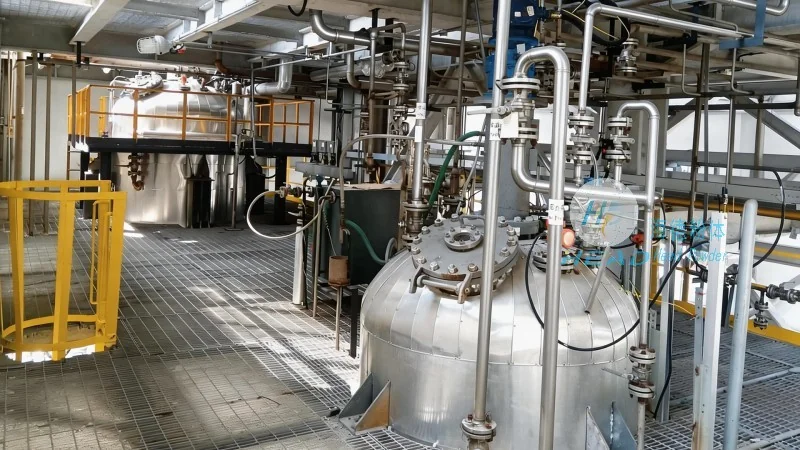
The operational environment of a lithium fluoride powder pneumatic conveying system is defined by several critical characteristics that impact performance and safety. First, the system must be designed to handle the specific properties of lithium fluoride, including its particle size, density, and moisture content. Fine powders like LiF are susceptible to static electricity, which can cause dust explosions or material buildup in the pipeline. Therefore, anti-static measures are essential, such as grounding the equipment and using conductive materials in the construction of the conveying line.
Second, the system's layout and scale are tailored to the production environment. In industrial settings, these systems are often integrated into larger manufacturing lines, requiring seamless coordination with other processes. The working scene may involve multiple conveying lines, branching to different destinations, or combining with other material handling equipment. The system's design must account for the distance between the source and receiver, as well as the elevation changes, to ensure optimal air pressure and flow rates.
Third, safety and regulatory compliance are paramount in handling lithium fluoride, a material with potential health and environmental risks. The system must adhere to industry standards for dust control, ventilation, and material containment. This includes features like explosion-proof components, dust collection systems, and emergency shut-off valves. The working scene is typically equipped with monitoring systems to track pressure, flow, and temperature, ensuring that any deviations are immediately detected and addressed.
Applications and Benefits in Industrial Settings
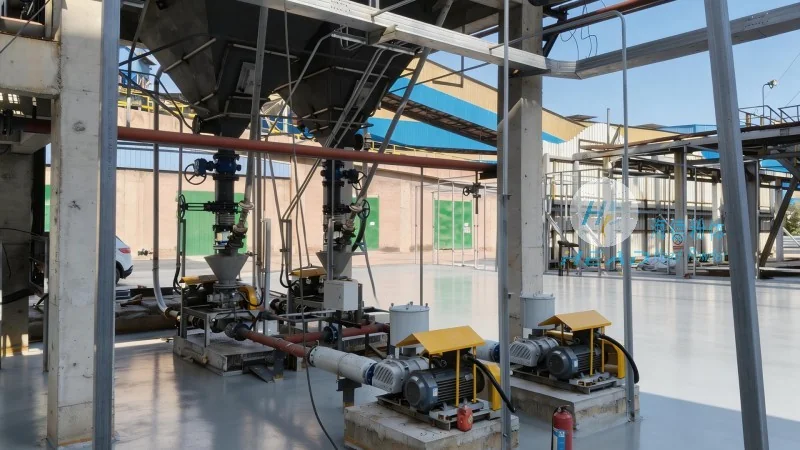
Lithium fluoride powder pneumatic conveying systems are widely used in various industrial applications due to their versatility and efficiency. In the nuclear industry, LiF is used as a coolant and moderator in reactors, and the system ensures safe and reliable transport of the material to processing facilities. In pharmaceutical manufacturing, the system is employed to handle LiF used in drug formulations, maintaining product purity and preventing contamination. Additionally, in the ceramics industry, LiF is used as a flux or opacifier, and the pneumatic conveying system facilitates its integration into production lines.
The benefits of these systems extend beyond safety and efficiency. They reduce labor costs by automating the material handling process, minimize product loss and contamination, and improve overall production throughput. The systems are also flexible, allowing for easy expansion or modification as production needs change. By eliminating the need for manual handling, they also enhance workplace safety by reducing the risk of dust exposure and physical injury.




