

Principle and Working Scene Characteristics of Pneumatic Conveying for Rice Husk Ash Powder
Pneumatic conveying represents a cornerstone technology in the efficient handling and transportation of fine powders, including rice husk ash—a byproduct of biomass combustion processes. This method leverages the power of air to move particles through a sealed pipeline system, offering a flexible, dust-free, and automated solution for industries that rely on bulk material transport. For rice husk ash, which is characterized by its fine particle size and light density, pneumatic conveying is particularly effective in maintaining material integrity while minimizing degradation during transit. The principles and operational characteristics of this technology are critical for optimizing downstream processing, storage, and utilization, making it a key consideration for businesses in the biomass and power generation sectors.
The Core Principle of Pneumatic Conveying Technology
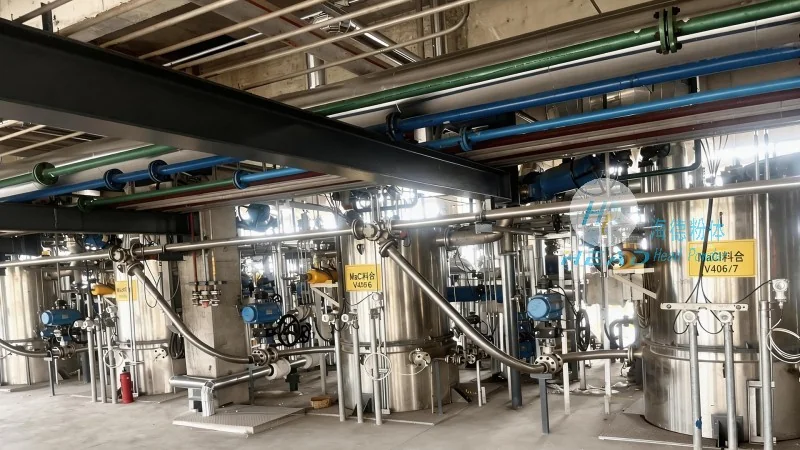
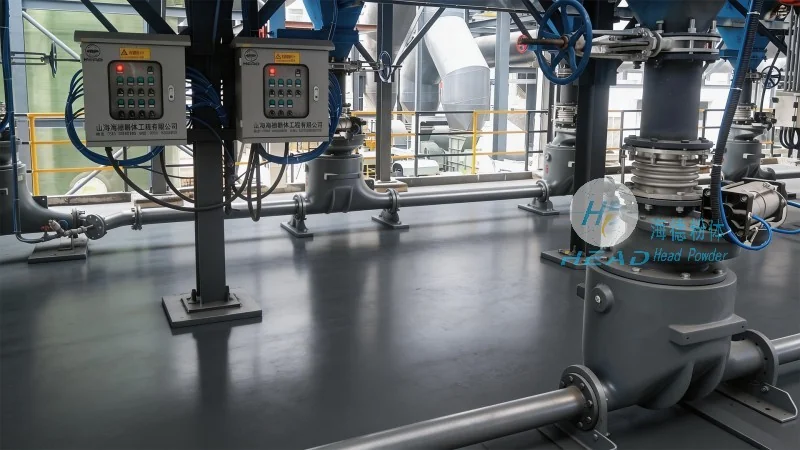
The fundamental principle of pneumatic conveying revolves around creating a pressure differential within a pipeline to propel particles. This is typically achieved through two primary system types: positive pressure and negative pressure. Positive pressure systems, often preferred for rice husk ash due to their ability to handle high material volumes and maintain consistent flow rates, use a blower or fan to force air into the system, creating a pressure higher than the ambient environment. The powder is then fed into the pipeline, where it is entrained by the air stream and transported to the discharge point. Negative pressure systems, on the other hand, operate by drawing air out of the system using a vacuum pump, creating a lower pressure than the surroundings. This draws the powder into the pipeline, which is then carried to the destination. Key components of the system include the hopper (for material feeding), the conveyor line (the main transport path), and the discharge equipment (for material release). These components are designed to work in harmony, ensuring smooth and efficient material movement while minimizing particle attrition and system wear.
Key Working Scene Characteristics and Applications
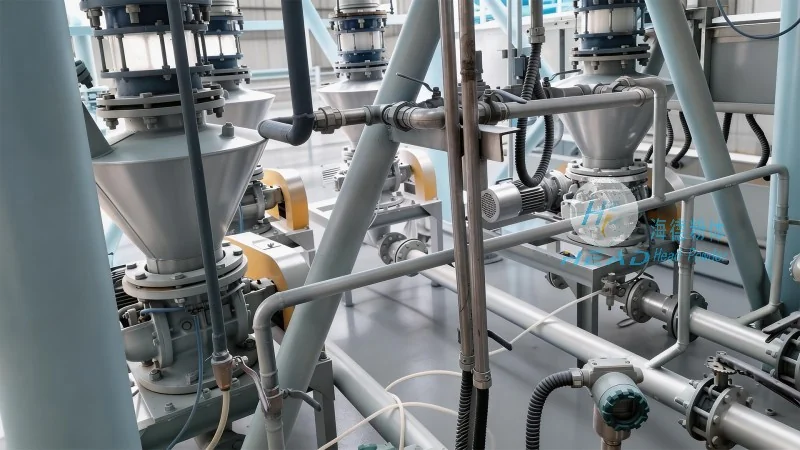
The working scene characteristics of pneumatic conveying for rice husk ash are heavily influenced by factors such as the material's physical properties, the required conveying distance, and the environmental constraints of the application. For short-distance applications, such as moving ash from a boiler to a nearby storage silo, low-pressure positive systems are often sufficient. These systems typically operate at pressures between 0.5 to 1 bar, providing adequate force to move the material without excessive energy consumption. However, for longer distances or when dealing with larger quantities, high-pressure systems are more effective. High-pressure systems can operate at pressures up to 10 bar or more, enabling the transport of materials over distances of several hundred meters or even kilometers. The technology also excels in environments where dust control is paramount, as the enclosed pipeline system prevents airborne particle dispersion, reducing health and safety risks for workers and minimizing environmental contamination. Furthermore, pneumatic conveying is highly adaptable to various industrial settings, including power plants, agricultural processing facilities, and construction material production sites, where rice husk ash may be used as a raw material for concrete or other building products.
Company Profile: Shandong HeadPowder Engineering Co., Ltd.
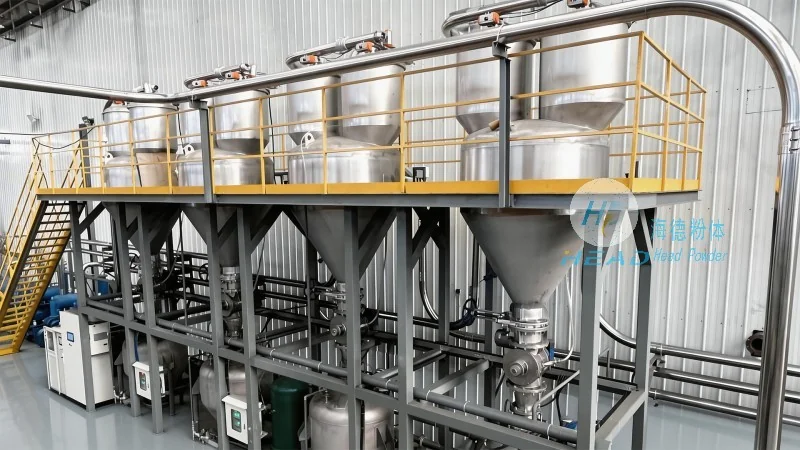
Shandong HeadPowder Engineering Co., Ltd., commonly known as HeadPowder, is a leading engineering firm specializing in the design, manufacturing, and implementation of advanced powder handling solutions. With a strong focus on innovation and customer-centric service, the company has built a reputation as a trusted partner for businesses seeking efficient and reliable pneumatic conveying systems. Headquartered in Shandong, China, the company leverages its local expertise and technical resources to deliver customized solutions tailored to the unique needs of each client. The team at HeadPowder consists of experienced engineers, technicians, and project managers who bring decades of combined experience in the powder handling industry. Their expertise spans the entire lifecycle of a project, from initial system design and feasibility studies to installation, commissioning, and ongoing maintenance. The company's commitment to quality is evident in its adherence to international standards and rigorous testing protocols, ensuring that each system meets the highest performance and safety requirements.