

Principles and Working Scene Characteristics of Pneumatic Conveying for Aluminum Flakes Powders
HeadPowder, a leading provider in the field, specializes in advanced material handling solutions tailored for aluminum flakes powders. This article delves into the fundamental principles of pneumatic conveying and highlights the key characteristics of working scenarios where such systems are effectively applied.
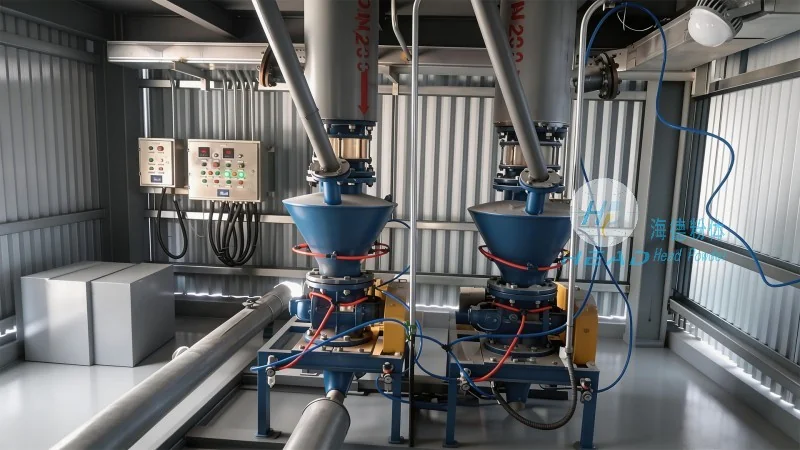
Principles of Pneumatic Conveying
Pneumatic conveying, also known as pneumatic transport, is a method of transporting bulk materials through a pipeline using a gas stream, typically air. In the context of aluminum flakes powders, this technology offers a highly efficient and flexible solution for moving these lightweight, often abrasive materials. The core principle involves creating a pressure differential within the pipeline, which generates a flow of air that propels the aluminum flakes through the system. There are two primary types of pneumatic conveying systems: pressure and vacuum. Pressure systems operate by forcing air into the conveying line under pressure, while vacuum systems create a negative pressure to draw materials into the line. For aluminum flakes, which are often fine and can be prone to dust generation, the choice of system depends on factors such as material characteristics, distance to be conveyed, and the need for containment and dust control.
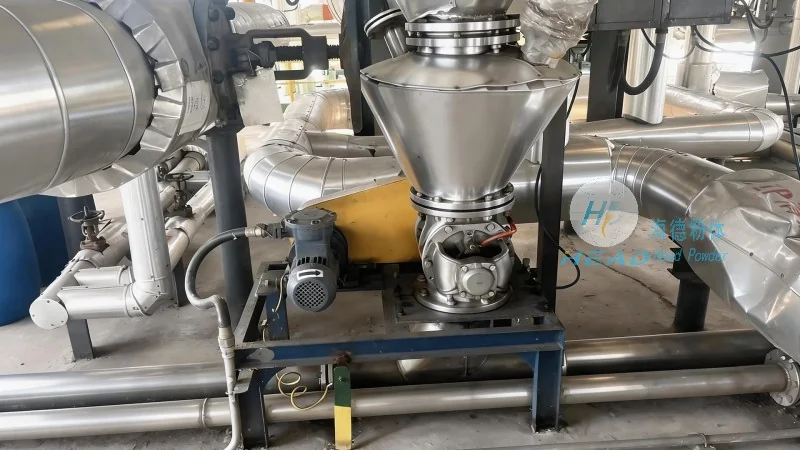
Working Scene Characteristics
The working scene characteristics of pneumatic conveying for aluminum flakes powders are defined by several critical factors that influence system design and performance. Firstly, the material's physical properties, including particle size, density, and moisture content, play a significant role. Aluminum flakes are typically fine particles, which can lead to issues like particle segregation and increased friction within the pipeline. To mitigate these, specialized equipment such as rotary valves, airlocks, and cyclone separators are employed to ensure consistent flow and prevent blockages. Secondly, the operational environment, including the scale of the application (e.g., small-scale laboratory testing versus large-scale industrial production), impacts the system's capacity and complexity. For instance, in large-scale industrial settings, high-capacity pressure systems with multiple pipelines and advanced control systems are common, whereas smaller applications might use vacuum systems for more precise control. Thirdly, safety and environmental considerations are paramount. Aluminum flakes can generate dust, which poses health risks and requires effective dust suppression measures. Modern pneumatic conveying systems incorporate features like enclosed hoppers, filtration systems, and explosion-proof designs to ensure safe operation. Additionally, the integration of automation and monitoring systems allows for real-time control and maintenance, enhancing overall efficiency and reliability.
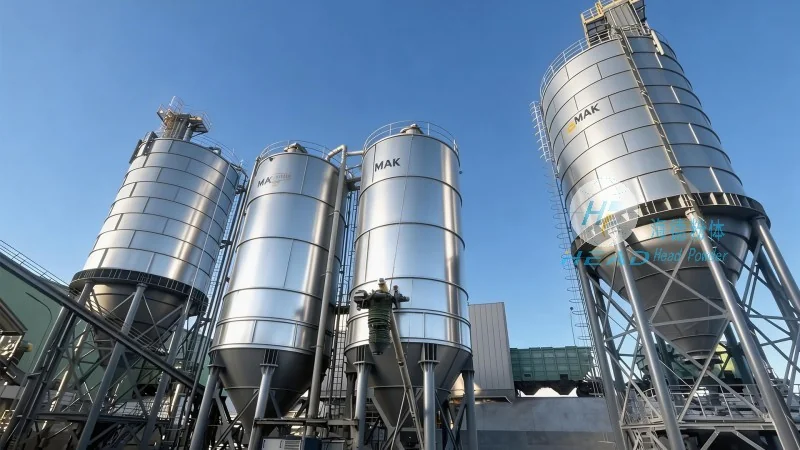
Application Examples and Benefits
Real-world applications of pneumatic conveying for aluminum flakes powders span various industries, including aerospace, automotive, and chemical manufacturing. In aerospace, aluminum flakes are used in the production of lightweight composites, where precise material handling is crucial to maintain material integrity. The benefits of pneumatic conveying in such scenarios include reduced material degradation, improved product quality, and enhanced process control. In the automotive industry, aluminum flakes are utilized in the manufacturing of lightweight parts, and the ability to convey these materials efficiently supports high production throughput. The key advantages of pneumatic conveying systems in these applications include minimal material loss, reduced labor costs, and the ability to handle materials in a dust-free environment. Furthermore, the flexibility of pneumatic conveying allows for easy integration with existing production lines, making it a cost-effective solution for upgrading or expanding material handling capabilities.