

Operation Process and Working Principle of Small Bag Loading Pneumatic Conveying System
Small bag loading pneumatic conveying systems are advanced industrial solutions designed to efficiently transfer bulk materials from storage bags into processing equipment. This technology is widely used in various industries, including chemical, food, and pharmaceutical sectors, where precise and dust-free material handling is critical. The system combines the advantages of pneumatic conveying with the convenience of bag loading, offering a reliable method for material transport without the need for manual handling or complex mechanical equipment.
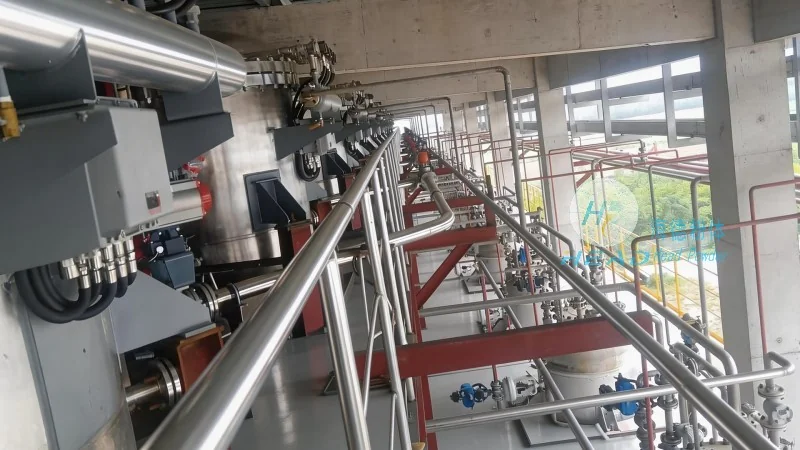
Working Principle of the System
The core of a small bag loading pneumatic conveying system lies in its ability to create a controlled airflow that draws material from a bag and transports it through a pipeline to the destination point. The process typically involves several key components: a bag opening mechanism, a vacuum or pressure source, a conveying line, and a material separator or receiver. When a bag is placed at the loading station, the system initiates the process by creating a vacuum inside the bag or a pressure differential that pulls the material into the conveying line. The material is then carried by the air flow through the pipeline, often with the aid of cyclones or filters to separate the material from the air before it reaches the processing unit.
Key Components and Their Functions
Several critical components work together to ensure the smooth operation of the small bag loading pneumatic conveying system. The bag opening device is responsible for safely and effectively opening the bag to allow material access. This component may include a cutting tool or a valve that releases the material. The vacuum or pressure source provides the necessary air flow to move the material; this can be a vacuum pump or a blower, depending on the system design. The conveying line, usually made of stainless steel or other corrosion-resistant materials, ensures the material is transported without degradation or contamination. Additionally, a material separator, such as a cyclone or a filter, is used to separate the material from the air, preventing dust and particles from entering the processing equipment and maintaining system efficiency.
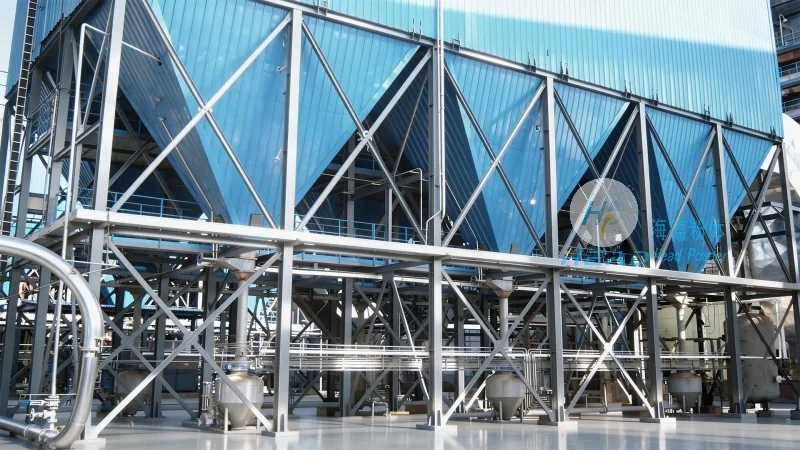
Operation Process Step-by-Step
The operation of a small bag loading pneumatic conveying system follows a systematic sequence to ensure consistent and reliable material transfer. First, the storage bag is placed at the designated loading position, ensuring it is properly aligned with the system's intake. Next, the bag opening mechanism is activated to release the material. The system then creates a vacuum or pressure differential, drawing the material into the conveying line. As the material is drawn, it travels through the pipeline, often with the assistance of air flow control devices that maintain optimal velocity. Upon reaching the destination, the material is deposited into the processing equipment, such as a mixer or a reactor. Finally, the system may perform a cleaning cycle to remove any residual material from the pipeline, ensuring the system is ready for the next loading operation.
Advantages of Small Bag Loading Pneumatic Conveying Systems
Small bag loading pneumatic conveying systems offer numerous advantages over traditional material handling methods. One of the primary benefits is the elimination of manual handling, which reduces the risk of material contamination and operator exposure to dust or hazardous substances. The system also provides a dust-free and clean environment, which is particularly important in industries like food and pharmaceuticals where product purity is paramount. Additionally, the system can handle a wide range of materials, including powders, granules, and fine particles, with minimal degradation. The compact design of the system allows for easy integration into existing production lines, and the automated operation reduces labor costs and increases overall efficiency. Furthermore, the system's ability to handle multiple bags simultaneously can significantly improve production throughput, making it an ideal solution for high-volume operations.
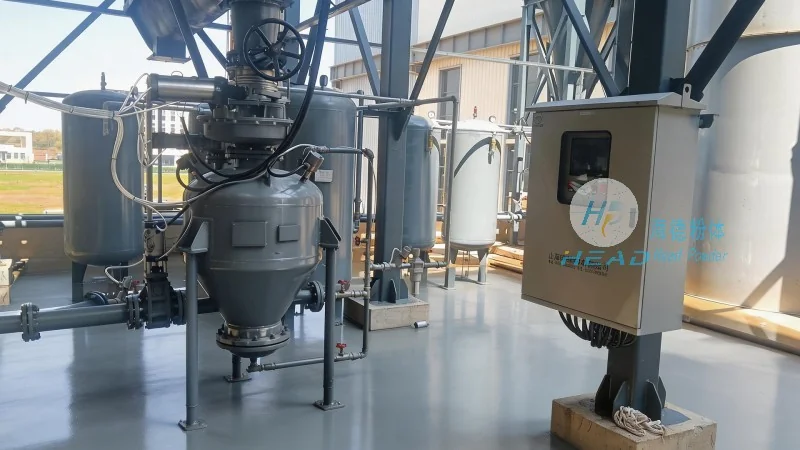
Applications in Different Industries
The versatility of small bag loading pneumatic conveying systems makes them suitable for a variety of industrial applications. In the chemical industry, these systems are used to transfer raw materials such as powders and granules into reactors and mixers, ensuring precise dosing and reducing the risk of material loss. In the food industry, the system is employed to handle ingredients like flour, sugar, and spices, maintaining product quality and hygiene. The pharmaceutical industry also benefits from this technology, as it allows for the safe and sterile transfer of active pharmaceutical ingredients (APIs) and excipients, minimizing contamination risks. Additionally, in the agricultural sector, small bag loading pneumatic conveying systems are used to transport fertilizers and other agricultural chemicals, improving efficiency in farm operations. The system's adaptability to different materials and industries makes it a valuable asset for any organization seeking to enhance its material handling capabilities.
Maintenance and Troubleshooting
To ensure the long-term performance and reliability of a small bag loading pneumatic conveying system, regular maintenance is essential. Routine checks should include inspecting the bag opening mechanism for wear and tear, checking the air filter and pressure source for proper operation, and cleaning the conveying line and material separator to prevent clogging. If the system experiences issues, such as reduced material flow or increased air pressure, troubleshooting steps should be taken. Common problems may include clogged filters, damaged bag openings, or insufficient air flow. By addressing these issues promptly, the system can be restored to optimal performance, minimizing downtime and ensuring consistent material transfer.