

Operation Process and Working Principle of Grain Storage Pneumatic Conveying Systems
Grain storage facilities rely on efficient material handling solutions to ensure smooth operations and maintain product quality. Pneumatic conveying systems have emerged as a critical technology in this sector, offering a reliable method for transporting bulk materials like grains, cereals, and other agricultural products within storage silos and processing plants. The operation of these systems is a complex yet well-defined process that integrates mechanical components, air dynamics, and control mechanisms to achieve seamless material movement.
Working Principle of Pneumatic Conveying Systems
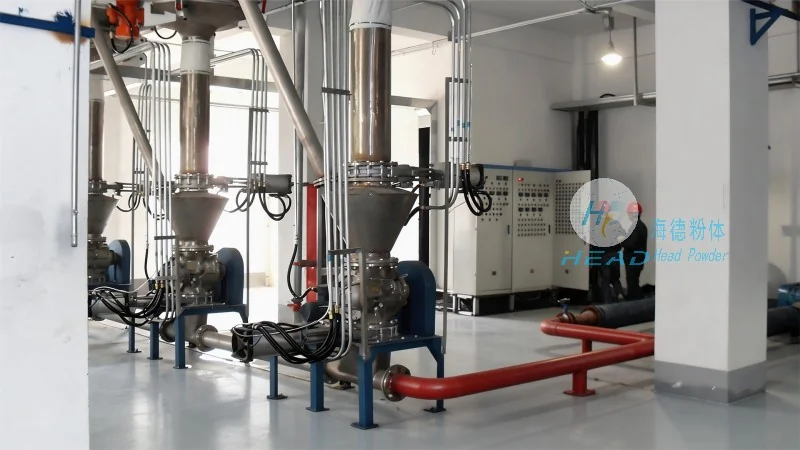
The core principle behind pneumatic conveying is the use of compressed air to create a flow that transports bulk materials through a pipeline network. In a typical grain storage application, the system operates by drawing material from a hopper or storage bin and propelling it through a series of ducts using air pressure. The process involves several key components: a material feed hopper, a rotary airlock or feeder to control the flow rate, a conveying line (often equipped with bends and elbows), and a receiver or discharge point where the material is deposited. The air, typically supplied by a blower or compressor, is introduced at high velocity, creating a "slug" or stream that carries the material particles forward. This method is particularly effective for handling fine or powdery materials, as it minimizes product degradation and contamination compared to mechanical systems like belt conveyors or bucket elevators.
Step-by-Step Operation Process
The operation of a grain storage pneumatic conveying system follows a systematic sequence of actions designed to ensure consistent and controlled material transport. The process begins with the loading of the material into the feed hopper. A rotary airlock or feeder then regulates the flow of material from the hopper into the conveying line, preventing backflow and maintaining a steady feed rate. Simultaneously, the blower or compressor generates compressed air, which is directed into the conveying line at the inlet. As the air flows through the system, it entrains the material particles, forming a mixture that travels through the pipeline. The conveying line may include various components such as expansion joints, filters, and pressure relief valves to manage air pressure and prevent system failures. At the discharge end, the material is deposited into a receiving bin or processing unit, while the air is typically filtered and returned to the system or vented to the atmosphere. The entire process is often controlled by a programmable logic controller (PLC) or a dedicated control system that monitors parameters like air pressure, flow rate, and material level, ensuring optimal performance and safety.
Key Components and Their Functions
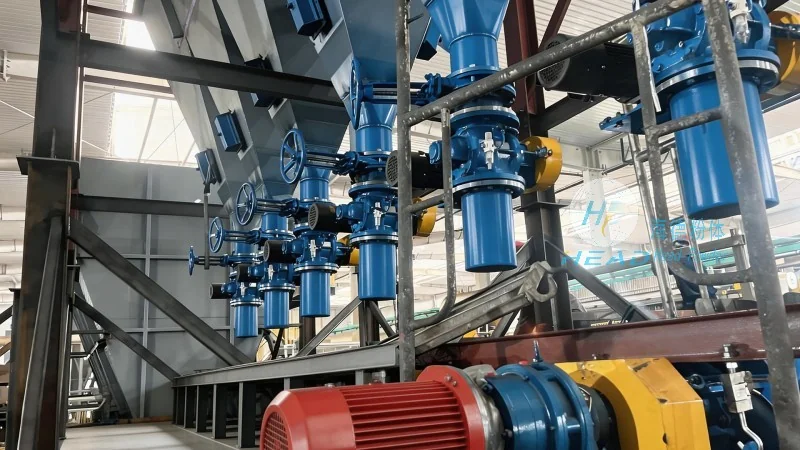
Understanding the individual components of a pneumatic conveying system is essential for grasping its operation and maintenance. The primary components include: 1. **Feed Hopper**: A storage vessel that holds the bulk material, providing a consistent supply to the system. 2. **Rotary Airlock/Feeder**: This device controls the flow of material from the hopper into the conveying line, acting as a valve to prevent backflow and maintain a controlled feed rate. 3. **Blower/Compressor**: Supplies the compressed air needed to generate the conveying force. The choice between a positive displacement blower and a centrifugal compressor depends on the system's requirements, such as pressure and flow capacity. 4. **Conveying Line**: The pipeline network that transports the material-air mixture. It may include bends, elbows, and other fittings to navigate the system layout. 5. **Receiver/Discharge Bin**: The final container where the material is deposited after conveying. 6. **Filters and Air Handling**: These components ensure that the air is clean and free from dust or debris, protecting both the system and the material from contamination. 7. **Control System**: Manages the operation of the entire system, monitoring and adjusting parameters to maintain efficiency and safety.
Advantages of Pneumatic Conveying in Grain Storage
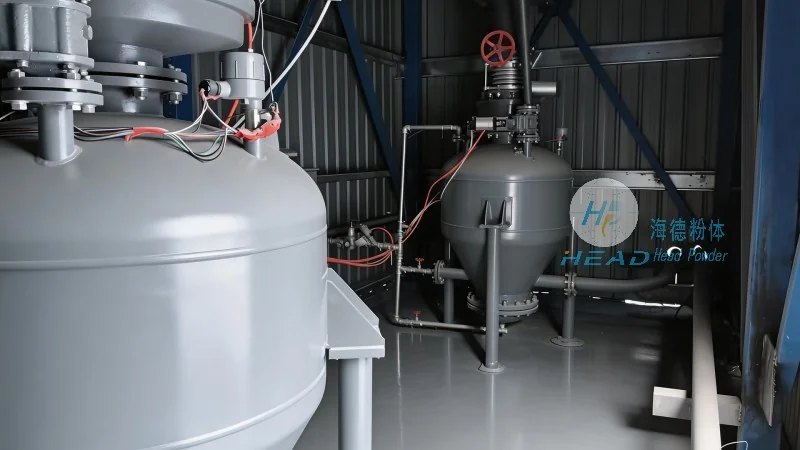
Compared to traditional mechanical conveying methods, pneumatic systems offer several advantages that make them ideal for grain storage applications. First, they provide a dust-free and hygienic environment, which is crucial for maintaining the quality and safety of food-grade products. The enclosed pipeline system prevents exposure to contaminants and reduces the risk of product degradation due to moisture or air contact. Second, pneumatic conveying is highly flexible, allowing for the integration of multiple storage bins and processing units in a single system. This flexibility enables efficient material routing and reduces the need for multiple transfer points. Third, the system is relatively low-maintenance, as it has fewer moving parts compared to mechanical conveyors, which can reduce downtime and operational costs. Additionally, pneumatic systems can handle a wide range of material types, from fine powders to larger granules, making them versatile for various grain storage operations.
Applications in Modern Grain Storage Facilities
Pneumatic conveying systems are widely used in modern grain storage facilities for a variety of tasks, including material transfer between storage silos, loading and unloading of trucks or railcars, and feeding of processing equipment. In large-scale operations, these systems can handle high volumes of material with minimal labor, improving operational efficiency. For example, in a grain elevator or processing plant, a pneumatic system may be used to transport wheat from a storage bin to a milling machine, ensuring a continuous supply of raw material. The system's ability to operate in a closed loop also helps in maintaining consistent moisture levels and preventing cross-contamination between different grain types. Furthermore, the system's scalability allows it to be adapted to different facility sizes, from small on-farm storage to large commercial grain terminals.